Eco-Friendly Merch That’s More Than a Gimmick
As we head into April, a month where environmental awareness takes center stage with Earth Day, brands everywhere are looking for ways to showcase their commitment to the planet. But let’s be honest: in the promotional products world, “eco-friendly” has sometimes been used as a buzzword. For years, the industry was flooded with cheap, single-use items that were stamped with a recycling symbol but ultimately ended up in a landfill.
Today’s consumers are savvy enough to spot greenwashing a mile away. If you want your branded merchandise to make a positive impact, both on the environment and on your brand’s reputation, you need to invest in eco-friendly merch that is actually functional, durable and genuinely sustainable.
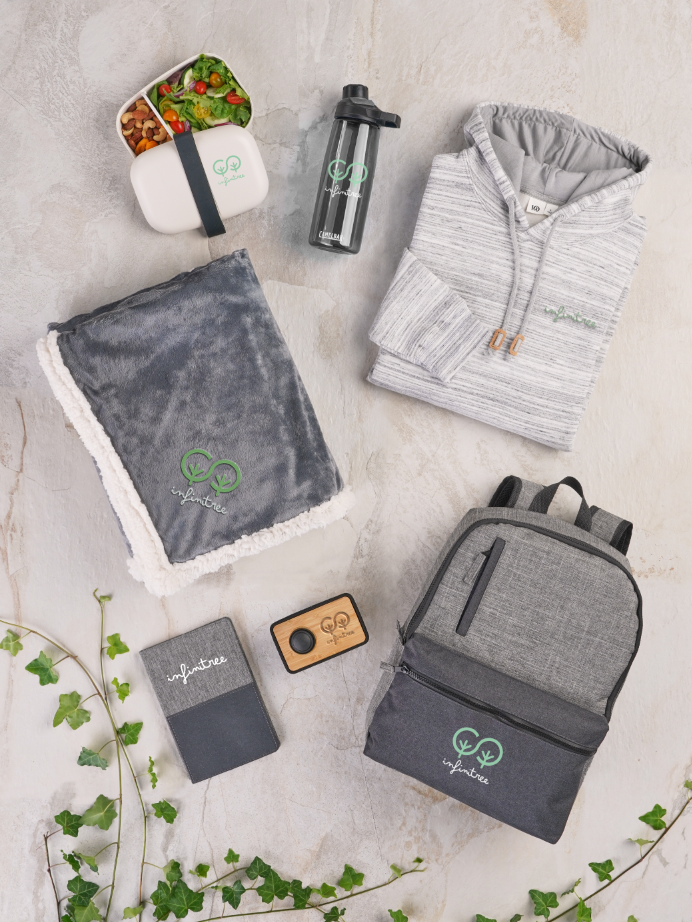
What Actually Makes Merch Eco-Friendly?
Before you place your next order, it’s important to understand the criteria that elevate a product from a “green gimmick” to a genuinely responsible choice. When sourcing eco-merch, look for these three pillars:
Innovative, Sustainable Materials
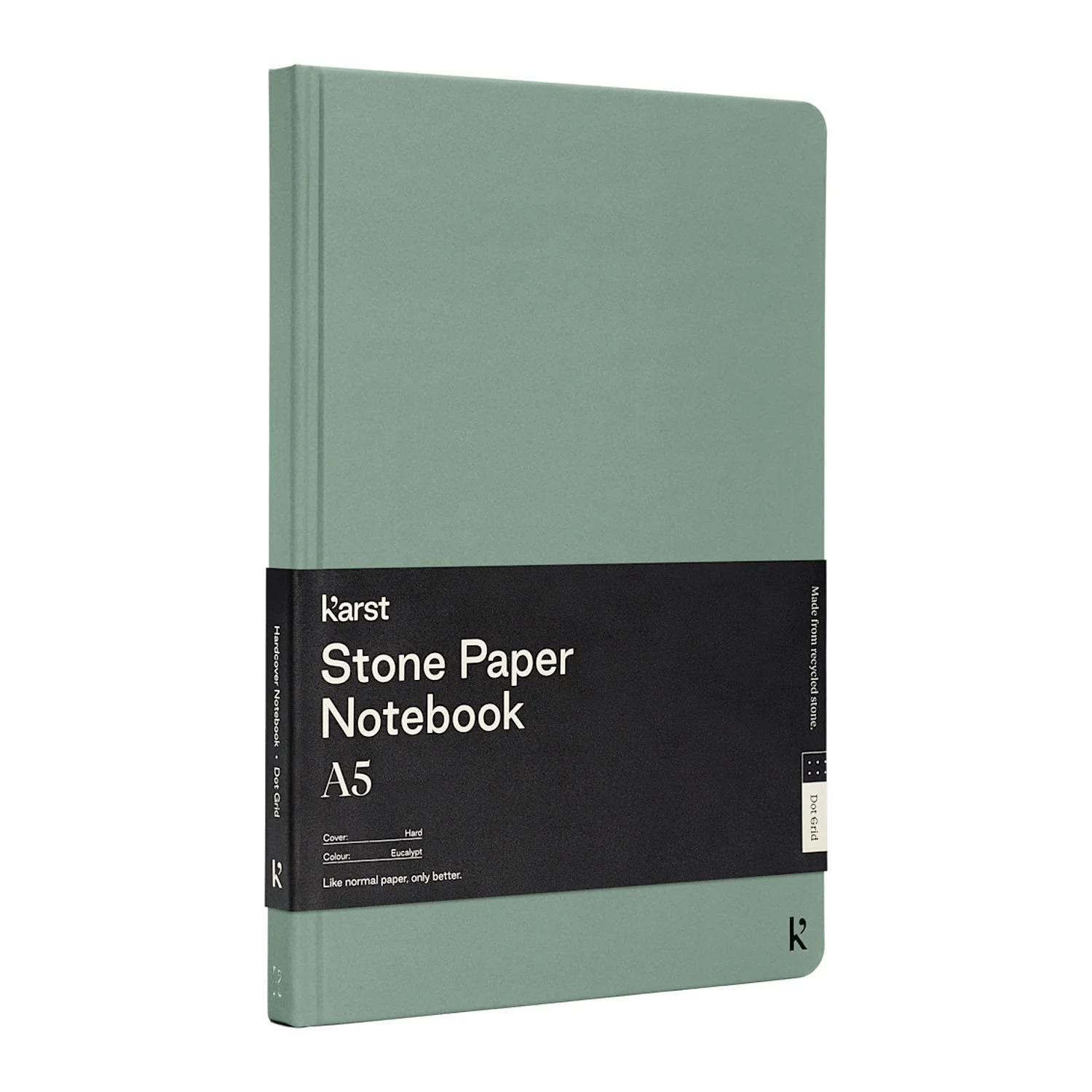
True eco-friendly products go beyond basic recycling. Today’s leading brands are engineering materials from the ground up. Take Karst as an example: they create paper products rebuilt entirely from 100% sustainably recycled stone, without any bleaches or acids, saving trees and water, all while remaining 100% carbon neutral. Similarly, brands like Hilana use upcycled cotton in a zero-waste process to create beautiful textiles, saving millions of gallons of water and keeping cotton waste out of landfills.
When sourcing paper or wood goods, it's also crucial to look for the Forest Stewardship Council® (FSC®) Certification. FSC®-certified products guarantee a chain-of-custody that traces materials back to responsibly managed forests where clearcutting is limited, wildlife habitats are protected, and more carbon is naturally stored.
Supply Chain Transparency & Ethical Manufacturing
Sustainability isn’t just about the physical product; it’s about the people and processes behind it. A massive indicator of true corporate social responsibility is a brand’s supply chain transparency.
Look for items made by Certified B Corporations, businesses legally required to balance profit with purpose by meeting the highest standards of verified social and environmental performance.
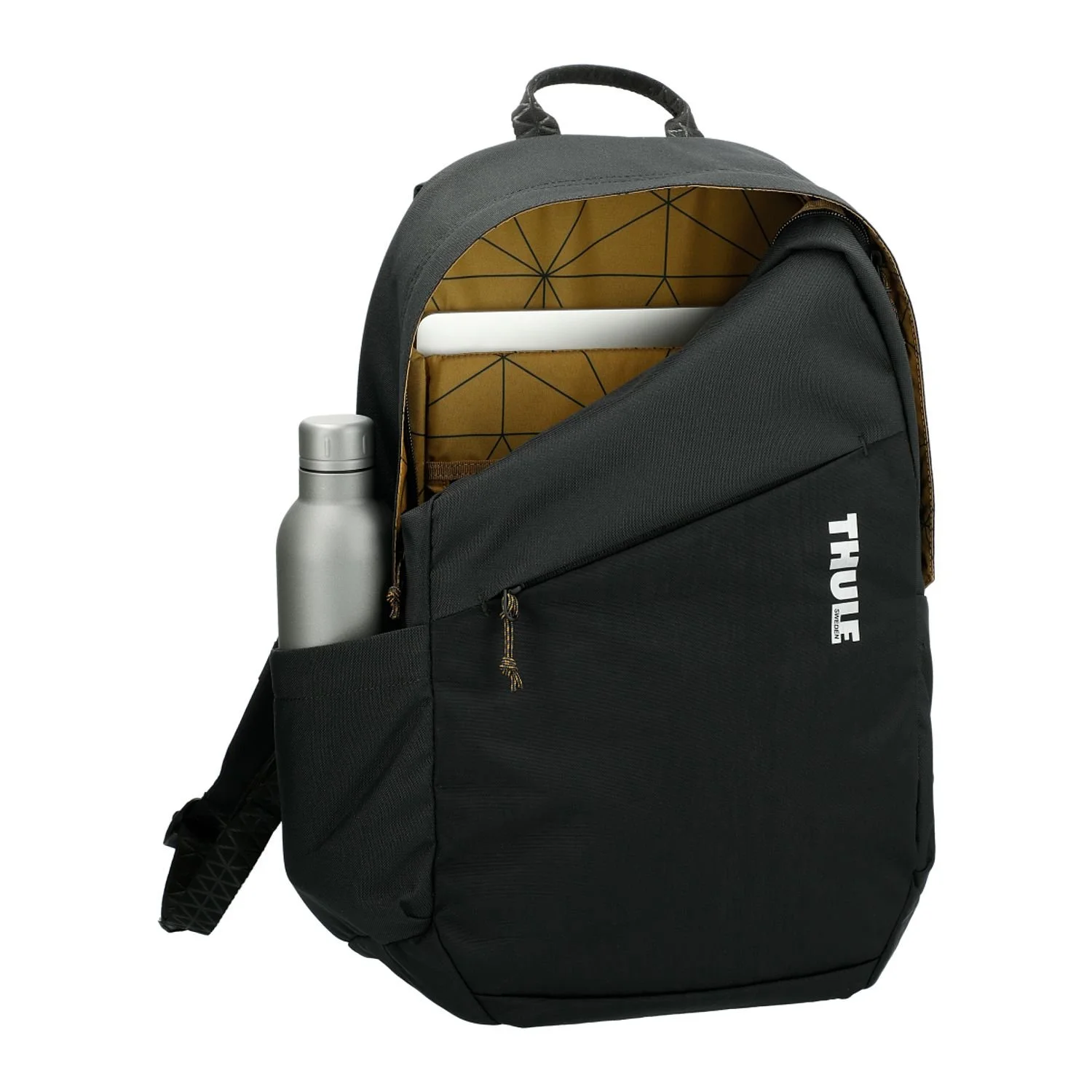
Manufacturing standards like the bluesign® system (used by brands like Thule), trace textiles through every stage to ensure safe, sustainable environments for workers and consumers alike.
Even localized production plays a role. Brands like American Giant keep operations domestic to maintain full visibility over their supply chain, revitalize local communities, and reduce transportation emissions.
Circular Lifecycles and “Give Back” Initiatives
Consider what happens to a product at the end of its life, and what good it does in the present. Brands like Day Owl are pioneering completely circular operations, taking plastic waste diverted from oceans and landfills to create premium bags, repairing them to extend their life, and eventually recycling them into new bags. Additionally, many sustainable products tie into give-back programs. For example, apparel brand tentree plants 10 trees for every item purchased, while Klean Kanteen donates 1% of sales to environmental nonprofits.
The Real Benefits of Eco-Friendly Promotional Products
Choosing sustainable merchandise isn’t just a win for the planet; it’s a strategic marketing advantage:
Elevated Brand Perception: When you hand someone a product backed by a B Corp, you communicate that your brand values corporate social responsibility.
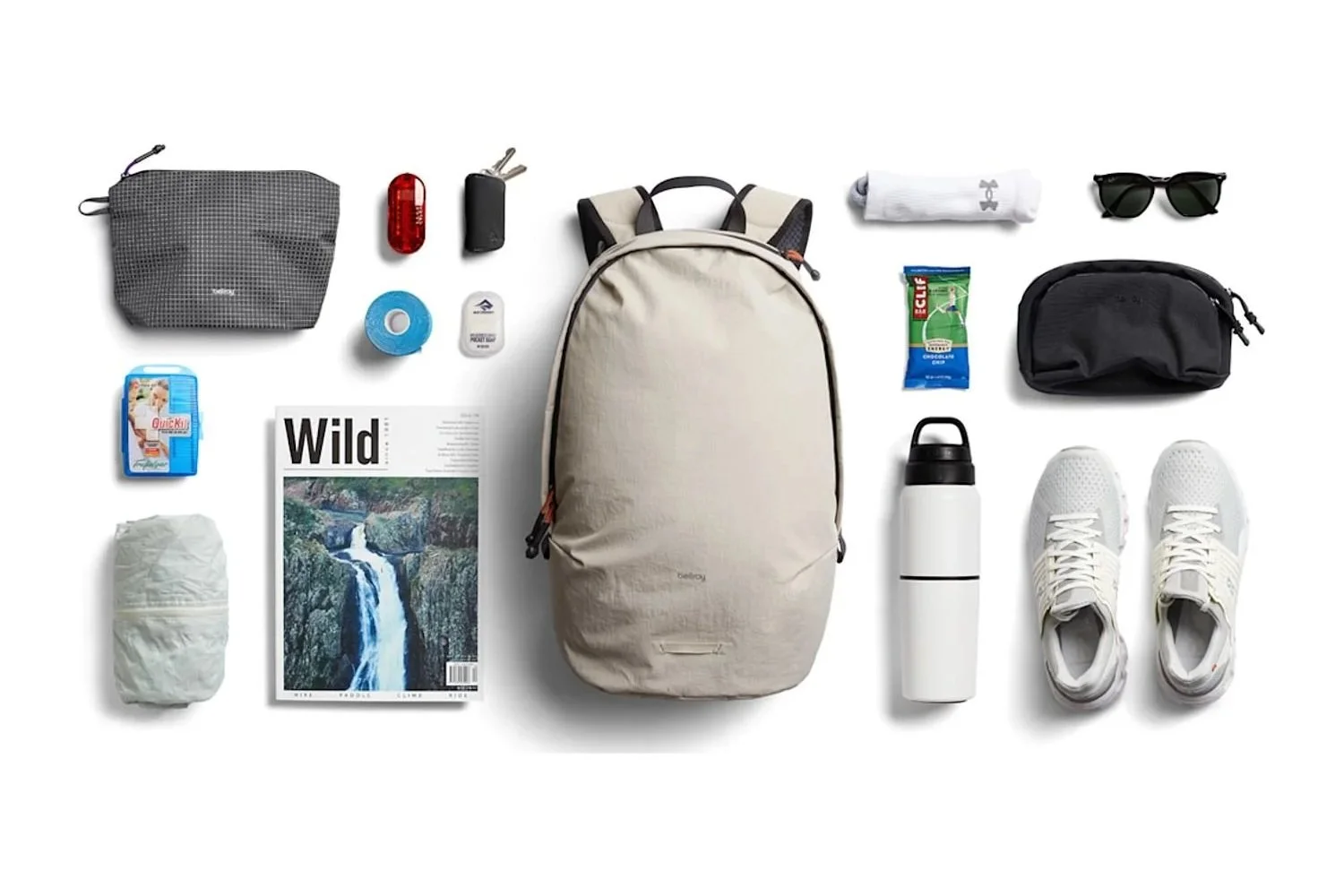
Higher Retention Rates (More Impressions): The most sustainable product is the one that gets used. High-quality eco-merch, like a durable backpack or vacuum-insulated water bottle, stays in circulation for years, giving your brand thousands of impressions.
Alignment with ESG Goals: Many modern businesses have strict Environmental, Social, and Governance (ESG) targets. Sourcing sustainably aligns your marketing department with your company’s broader corporate sustainability initiatives.
Merch They’ll Actually Use and Wear
The days of handing out flimsy plastic trinkets are over. If you want your eco-friendly merch to be more than a gimmick, partner with transparent retail brands to offer products that end-users will integrate into their daily lives:
Premium Sustainable Apparel
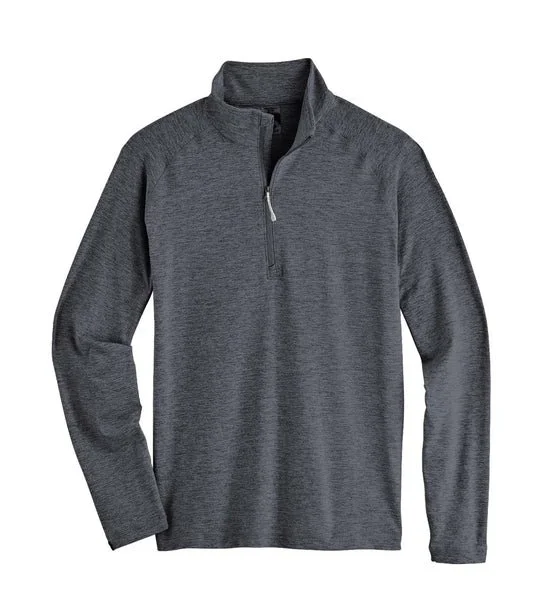
Apparel is highly sought after, but fast fashion generates massive waste. Opt for retail-quality brands that prioritize the earth. Whether it’s a cozy hoodie made from organic materials or outerwear built in fair-labor factories, when clothing is ethically made and incredibly comfortable, it shifts from an “event giveaway” to a wardrobe staple.
High-Quality Drinkware
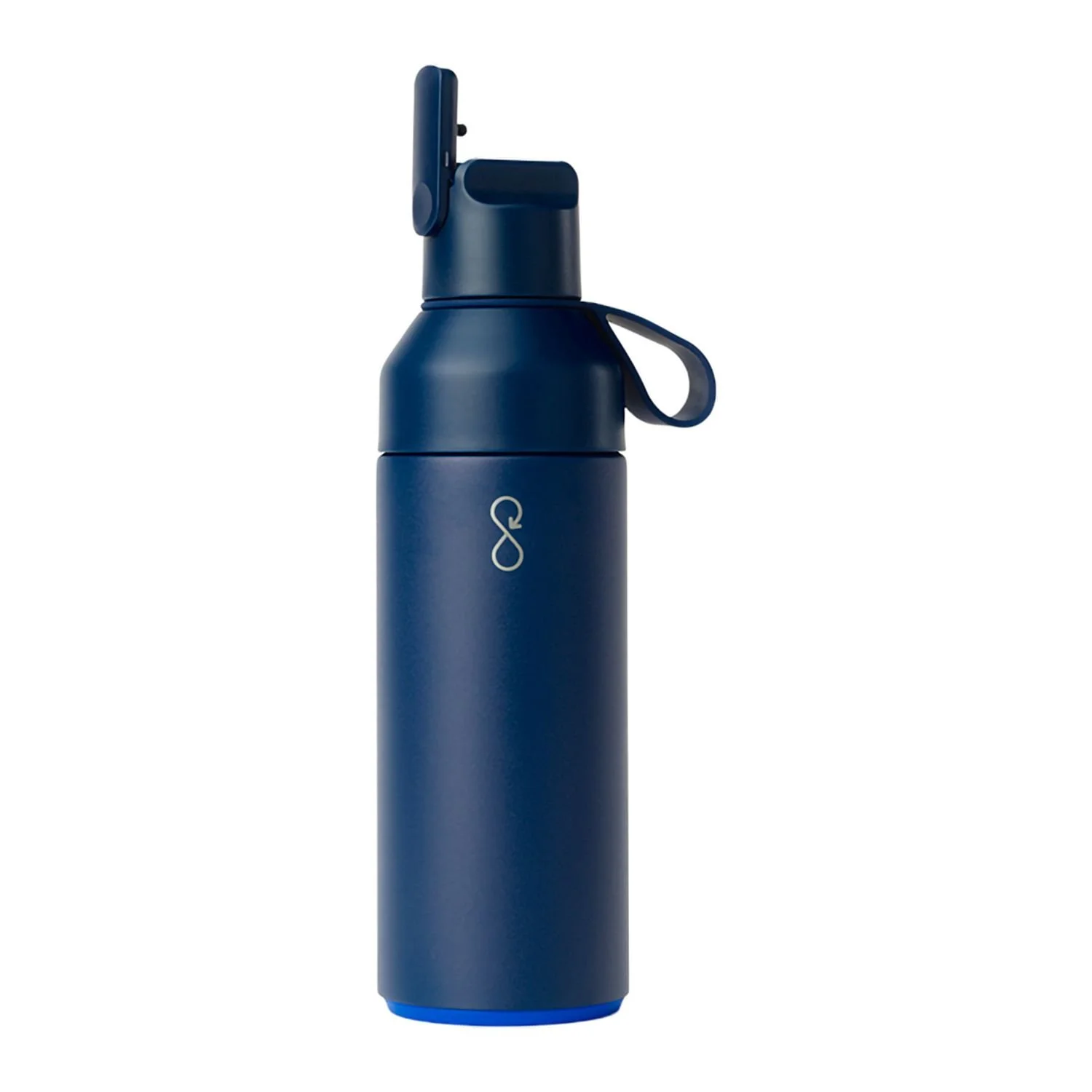
Drinkware directly replaces single-use plastics. However, to make it truly eco-friendly, skip the cheap plastic tumblers and invest in vacuum-insulated stainless steel from climate-neutral certified brands. These premium options reduce greenhouse gas footprints, feature recycled packaging, and look great sitting on a client’s desk.
Stone-Paper Journals and Office Goods
Instead of standard pulp paper notebooks, surprise your recipients with journals made from recycled stone or FSC®-certified materials. These desk items have an incredibly premium feel and immediately tell a unique sustainability story to the recipient.
Circular, Heavy-Duty Bags
We’ve all received a paper-thin trade show tote that rips on the first day. Upgrade to durable canvas totes or sleek commuter backpacks constructed entirely from recycled water bottles. Brands like Bellroy and Osprey are designing everyday carry items from biodegradable and recycled materials that look incredibly professional while actively reducing waste.

Make This April Count
This Earth Month, challenge your brand to do better than the status quo. By shifting your promotional budget toward thoughtful, transparent, and sustainably manufactured merchandise, you do more than just put your logo on a product. You tell a story about who your brand is, what you value, and your commitment to a better future.