Designing Higher Ed Merch Students Actually Keep
Pretty much every university has a storage area overflowing with leftover merchandise. There are orientation shirts in outdated colors, event giveaways that never found an owner, and promotional items that seemed like a good idea at the time. They’re a reminder of an uncomfortable reality: ordering merchandise is easy, but designing products students want to keep is much more difficult.
The difference rarely comes down to budget. More often, it’s a matter of perspective.
The institutions with the strongest merchandise programs don’t approach branded apparel like a purchasing exercise. They approach it the way successful retail brands approach product design. Every hoodie, tote bag, or baseball cap competes for attention alongside the brands students already choose to wear. Whether it’s Nike, Carhartt, Lululemon, vintage apparel, or the sweatshirt from a favorite local coffee shop, branded university merchandise enters an already crowded wardrobe. If the product isn’t something students would willingly choose over everything else they own, the logo alone won’t change that.
Design Beyond the Event
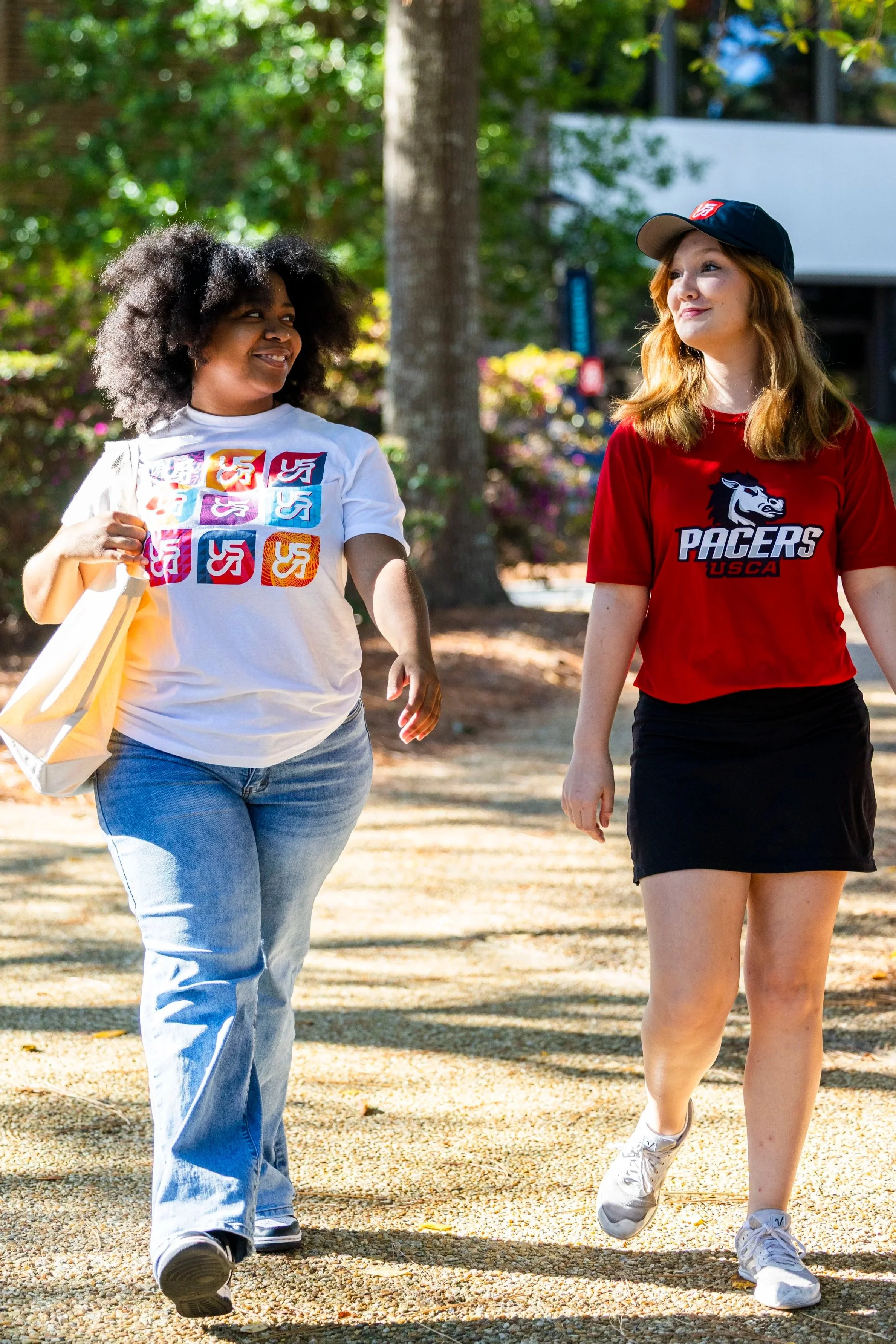
One of the most common mistakes in higher education merchandise is designing exclusively for the event where the products will be given out. Orientation, admitted student day, and homecoming often become the focal point of the creative process, when in reality they should simply be the beginning of the product’s lifespan.
The more valuable question is what happens after the event concludes. Will students still reach for that sweatshirt in November? Will the tote become their everyday bag? Will the water bottle make it through multiple semesters? Merchandise that succeeds over time becomes part of a student's daily routine rather than a souvenir tucked into the back of a closet. The institutions generating the greatest return on their merchandise investment recognize that longevity, not distribution, is the true measure of success.

Quality Is a Branding Strategy
Today’s students receive branded merchandise from nearly every corner of campus. Admissions, athletics, residence life, student organizations, career services and academic departments all contribute to an environment where promotional products abound. As a result, students quickly discern what deserves space in their room and wardrobe.
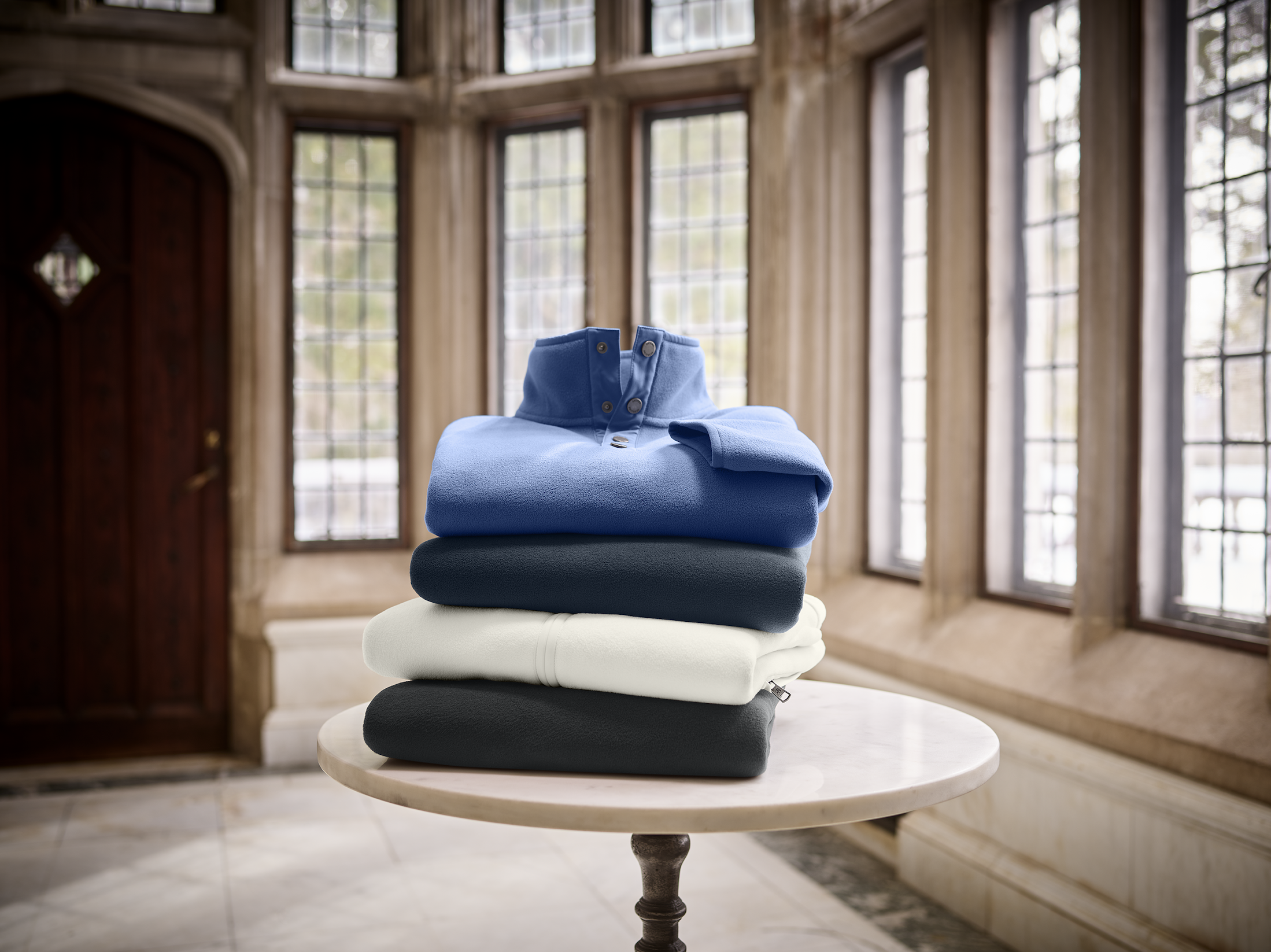
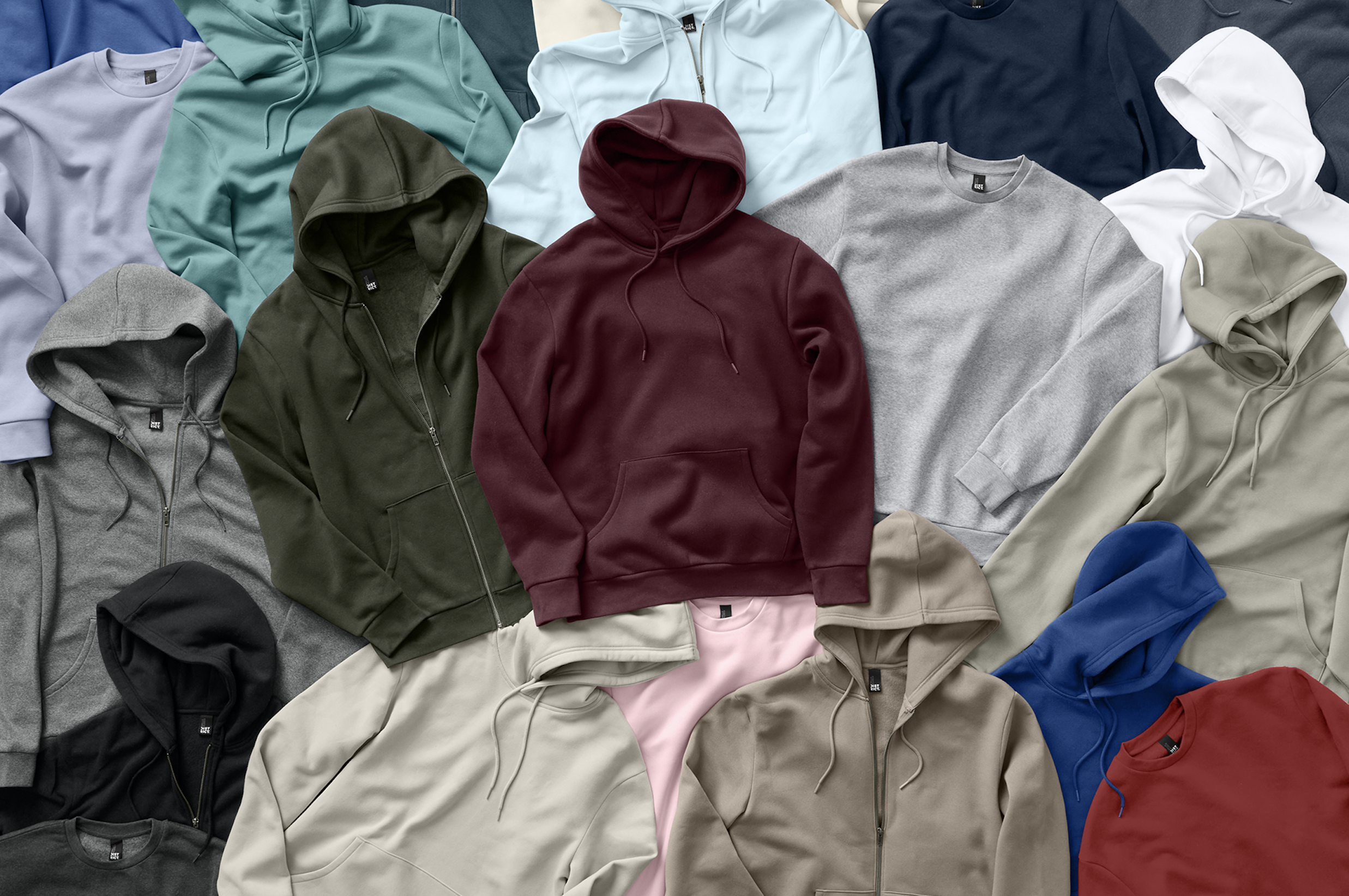
For merchandise buyers, this places greater importance on product selection than ever before. Fabric weight, construction, fit, and finishing all influence whether a garment becomes a favorite or a donation. An exceptional design printed on a stiff, inexpensive shirt rarely survives beyond the semester. Meanwhile, a premium heavyweight tee or well-constructed sweatshirt with restrained decoration often earns years of wear because it simply feels better. Decoration should elevate an already desirable product, not compensate for one that falls short.
Let the Brand Speak Quietly
Many institutions instinctively reach for larger logos in hopes of increasing visibility. In practice, the opposite is often true. Students are far more likely to wear apparel that resembles contemporary retail clothing than traditional promotional merchandise.
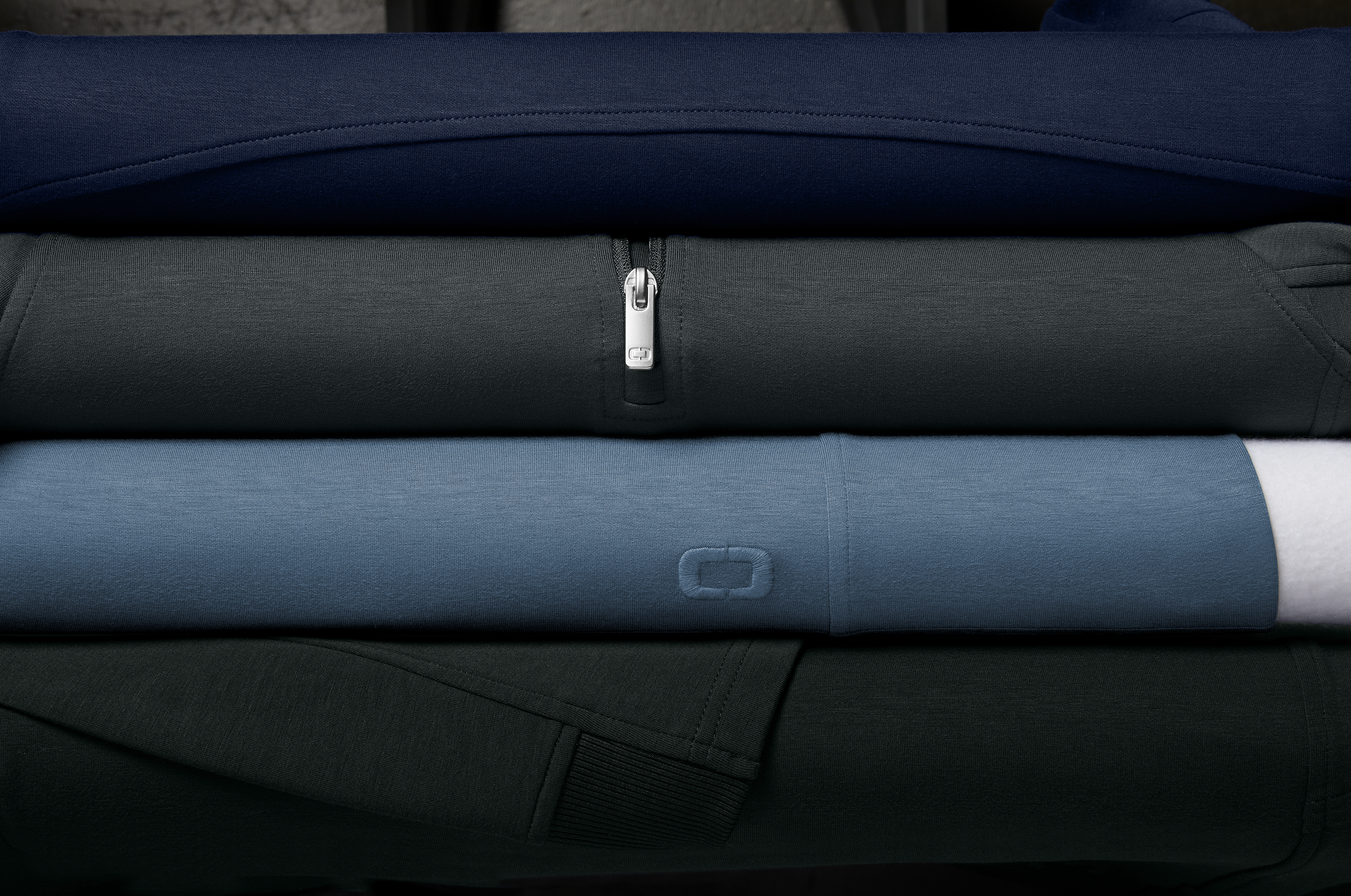
Subtle embroidery, heritage-inspired typography, architectural illustrations, campus landmarks and understated graphic systems allow university branding to feel integrated rather than imposed. Instead of asking how prominently the logo can appear, consider how naturally it can become part of the overall design. The favorite pieces students wear rarely shout the loudest. They simply look like garments students would have purchased regardless of where they received them.
Think in Collections & Collabs, Not Campaigns
Many universities approach merchandise one event at a time. Orientation apparel has little relationship to homecoming, accepted student events or alumni gifts because each project begins from scratch. The result is often a disconnected collection of products that lack a recognizable point of view.
A more strategic approach treats merchandise like seasonal collections. Admissions may favor optimistic, energetic graphics while alumni apparel becomes more refined and understated. Athletics can embrace bold school spirit, while career services develop polished pieces appropriate for internships and networking events. Although each audience has different needs, they should all feel unmistakably connected to the same institution through consistent typography, color palettes, illustration styles and overall design philosophy.
Small Details Create Emotional Value
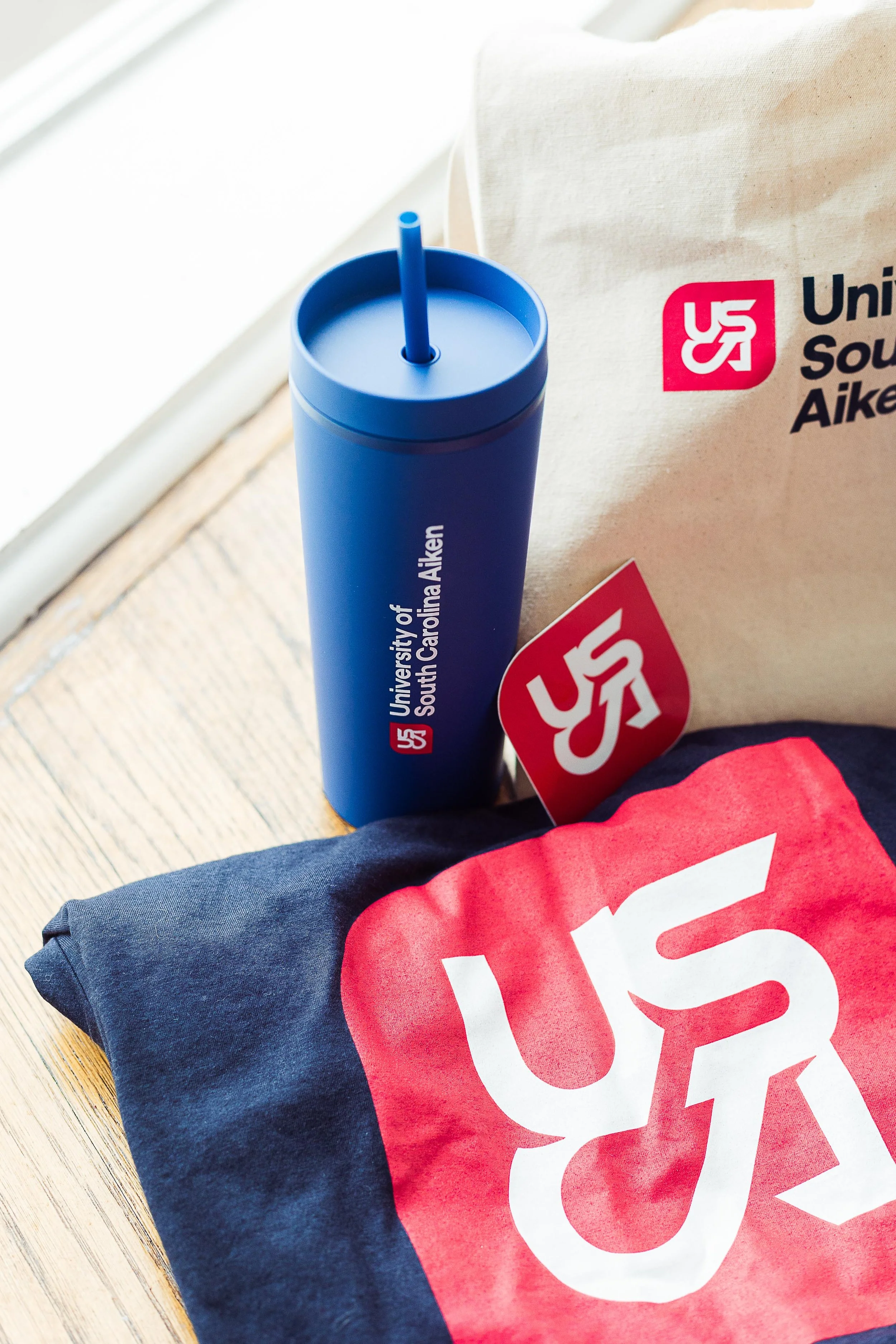
Students often connect most strongly with the design elements casual observers never notice. References to campus traditions, subtle illustrations of iconic buildings, coordinates stitched into a sleeve or artwork created in partnership with student artists all contribute to a stronger sense of ownership.
These details reward discovery. They create merchandise that feels designed specifically for members of the campus community instead of simply carrying institutional branding. While they may not immediately stand out from across a room, they often become the reasons students develop lasting attachments to a particular piece.
Wearability Outlasts Virality
It’s tempting to judge merchandise by how well it performs on social media during orientation week or a major campus event. While visual appeal certainly matters, those moments represent only a small fraction of the product’s lifespan.
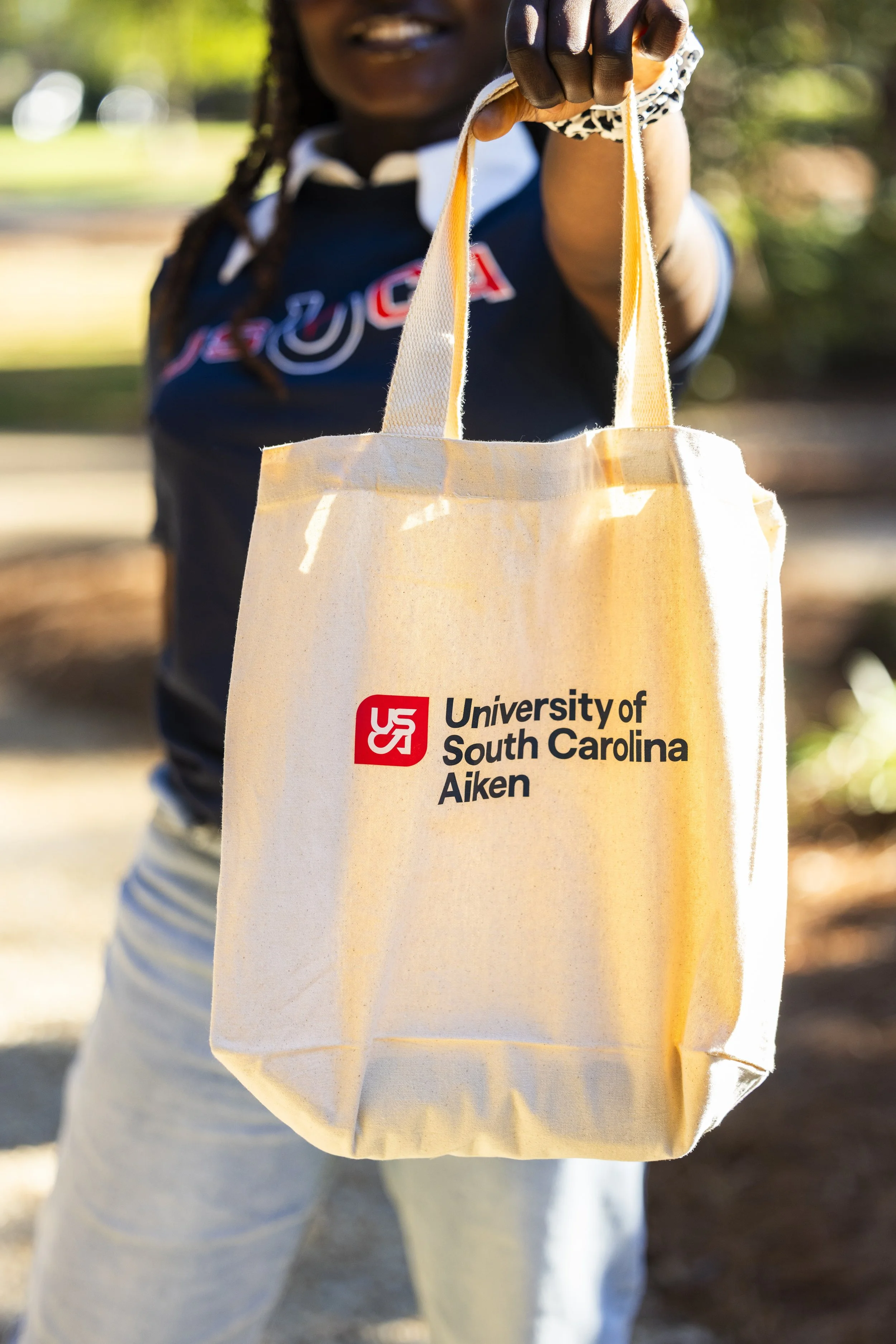
A more meaningful benchmark is whether students continue wearing the item long after the excitement has faded. If a sweatshirt becomes the first choice before an early morning class or the tote accompanies weekend errands off campus, the merchandise has accomplished something far more valuable than generating a handful of Instagram posts. The most successful products don’t simply photograph well. They integrate seamlessly into everyday life.
Create Merchandise Worth Collecting
Some of the strongest university merchandise programs have begun embracing limited-run collections rather than endlessly repeating the same products year after year. Collaborations with student illustrators, annual designs inspired by campus architecture or collections tied to meaningful traditions create anticipation without relying on novelty for novelty’s sake.
Limited editions communicate intentionality. They suggest that the institution values thoughtful design and understands that students appreciate originality. Over time, these collections become artifacts of the campus experience rather than disposable promotional items.
Keepability Is the Real Metric
Ultimately, the best university merchandise doesn’t feel like marketing because students don’t wear it to promote the institution. They wear it because it fits well, feels comfortable and has earned a permanent place in their wardrobe. The branding benefits from repeated exposure not because it demands attention, but because it becomes attached to something students enjoy using.
That’s the difference between merchandise that gets distributed and merchandise that gets remembered. Keepability isn’t simply about reducing leftovers. It's about designing products that continue telling the institution's story long after the event where they were first handed out.