Event Collections: More Than a T-Shirt
Building Merch Collections That Carry Your Sports And Social Events Further
Building a great merch collection for athletic and social events starts long before you pick a polo or a tumbler. It starts when you decide what kind of moment you want people to remember and what you want them to do after the event is over.
Start With the Moment, Not the Merch
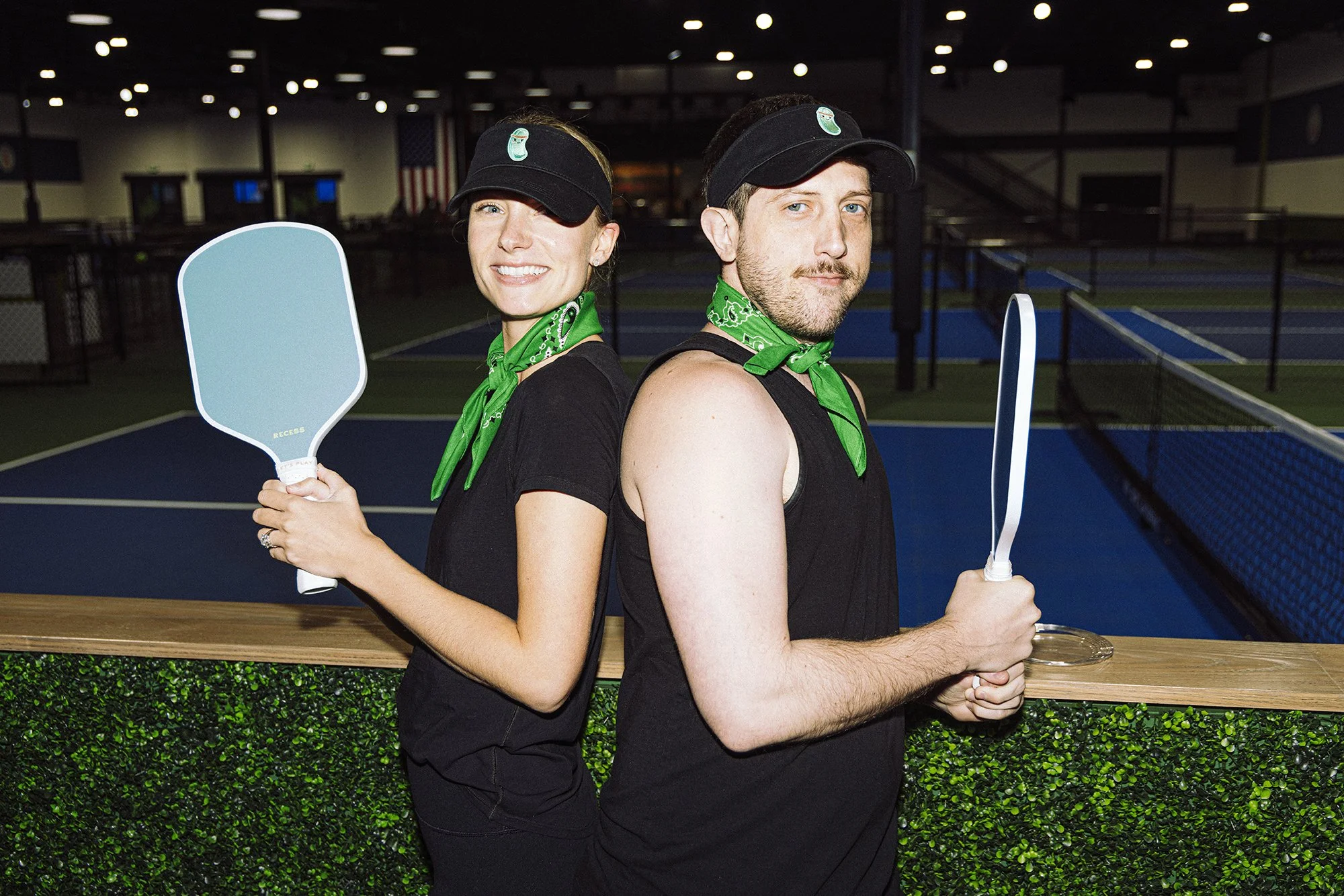
Picture your next sports or social event. Maybe it’s a corporate golf scramble that has grown into a signature client outing, or an employee field day where the goal is to spark a little healthy competition and a lot of connection. Maybe you are sending a group to a bowl game or planning a pickleball league that you know will end up all over social. Each of those moments has a mood, a pace, and a cast of people you are trying to impress.
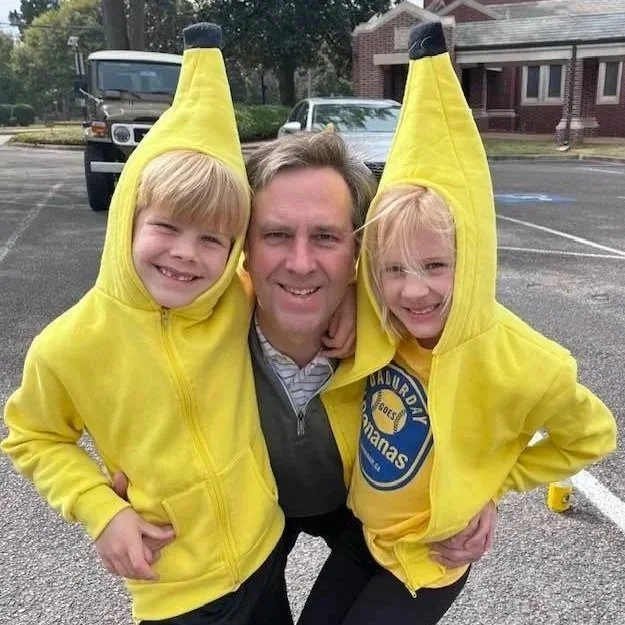
When you start with the moment, the merch stops being a line item and becomes one of the ways you tell the story. A golf scramble becomes a “big day out” with arrival kits and on-course essentials. A wellness challenge becomes a season, not a single step count email. A trip to a sporting event, whether it’s a Greenjackets game, or an upcoming World Cup match, becomes a shared identity that lives on in closets and cabinets long after the final whistle.
This is also why timing matters. If merch shows up in the conversation once everything else is locked, you are limited to what is fast and available, not what is best and keepable. Bring it into the earliest planning meeting and you can align items with the schedule, sponsors, key messages, and all the small moments where a tangible touch would make the experience feel considered.
Think in Collections
Most (disappointing) event merch has the same origin story. Someone orders a single item late in the process, hopes that a logo will make it special, and ends up with a pile of things that feel more like clutter than a keepsake.
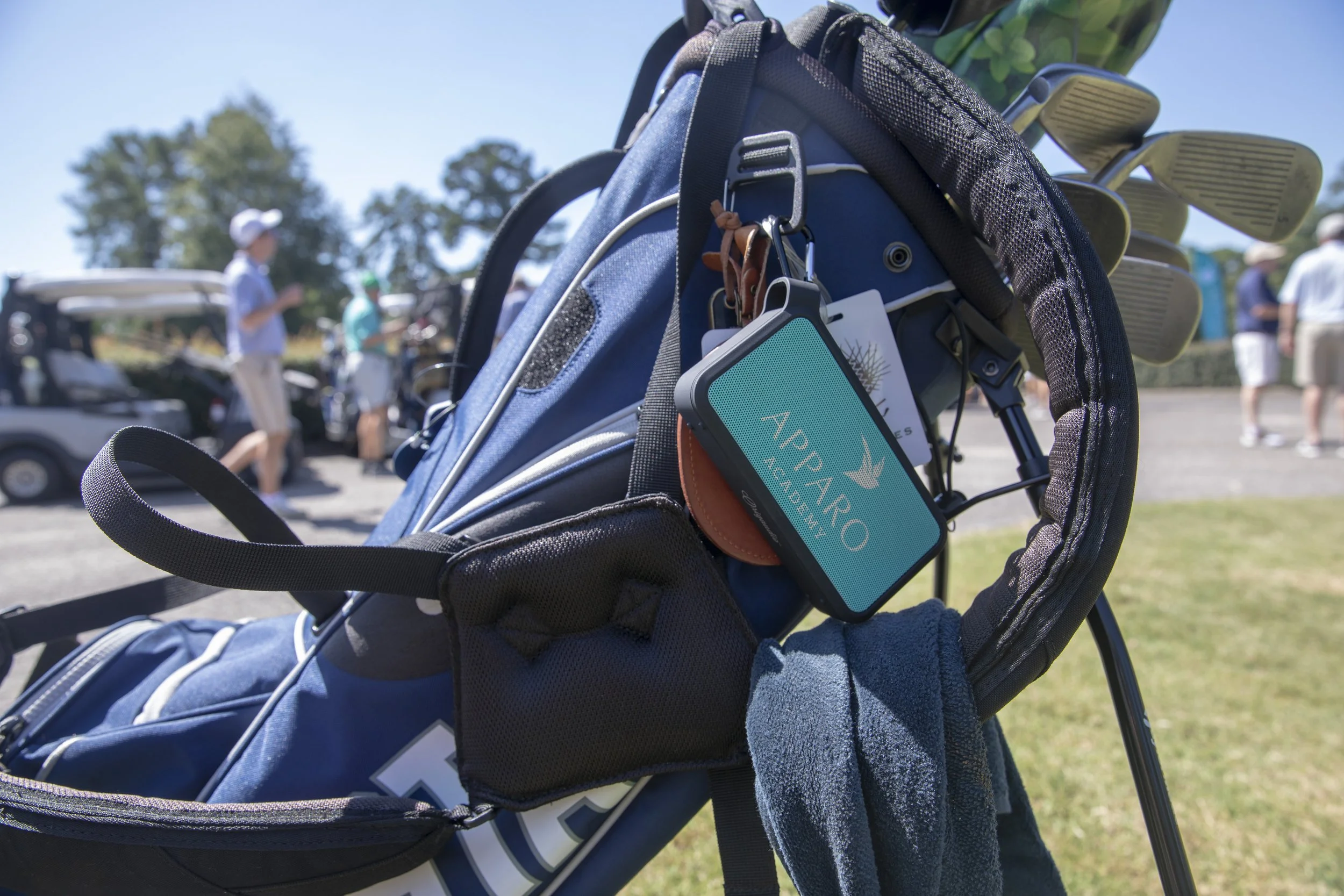
Thinking in collections is a different approach. Instead of asking “what can we give away,” you decide what story you are telling and then build a small family of items around it. For a corporate golf scramble, that might look like a performance apparel layer, a hydration piece, and one on-course accessory. For an internal field day, it might be a t-shirt, hat, and a desk-friendly item that keeps the memory around long after the last relay race. For a group heading to a big game, the collection might center on coordinated travel wear and stadium-ready bags.
Done well, a collection does two things simultaneously. It gives your audience multiple chances to connect with your brand in real life. That is the heart of keepability.The more often they reach for something from your event in their everyday life, the more impressions you earn.
Build Around a Few Core Categories
You don’t need 20 different items to build a strong merch story for a sports or social event. You do need a few categories that play well together and make sense for the occasion. Think of these as your core building blocks.
Apparel (That Actually Gets Worn)
Apparel is almost always the first place people’s minds go, and for good reason. The right piece turns your event into a recurring cameo in someone’s weekly wardrobe. The wrong piece never leaves the drawer.
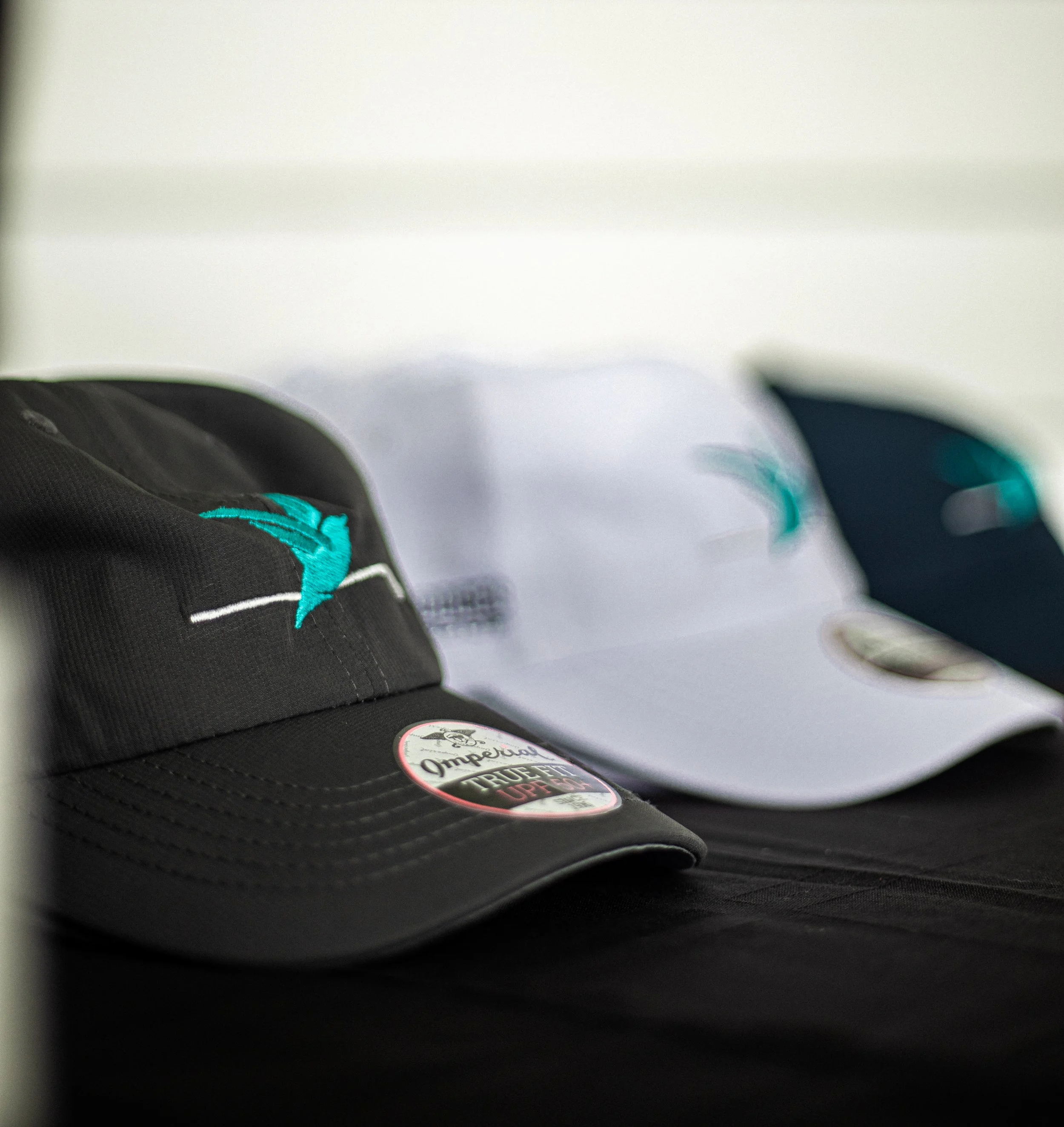
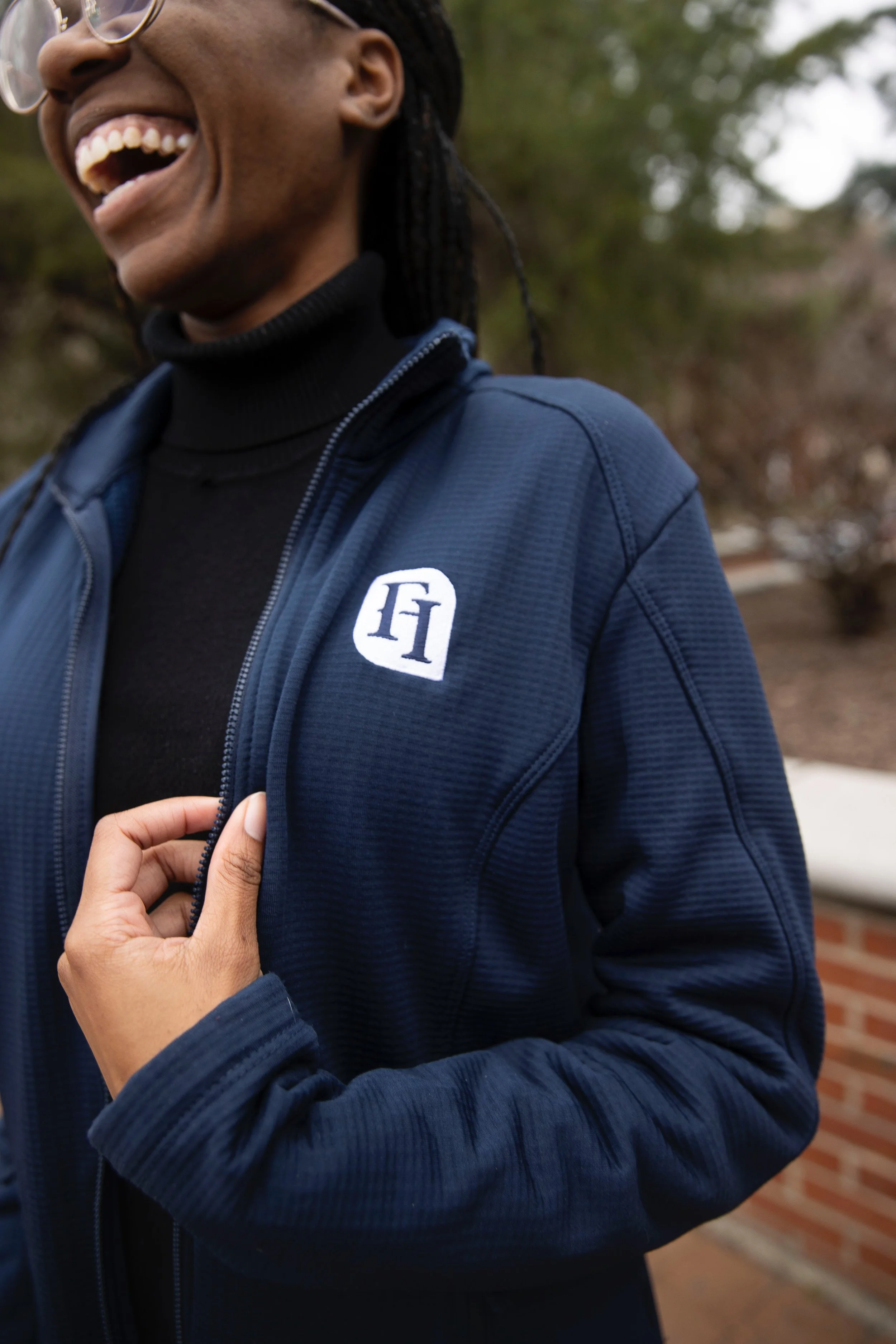
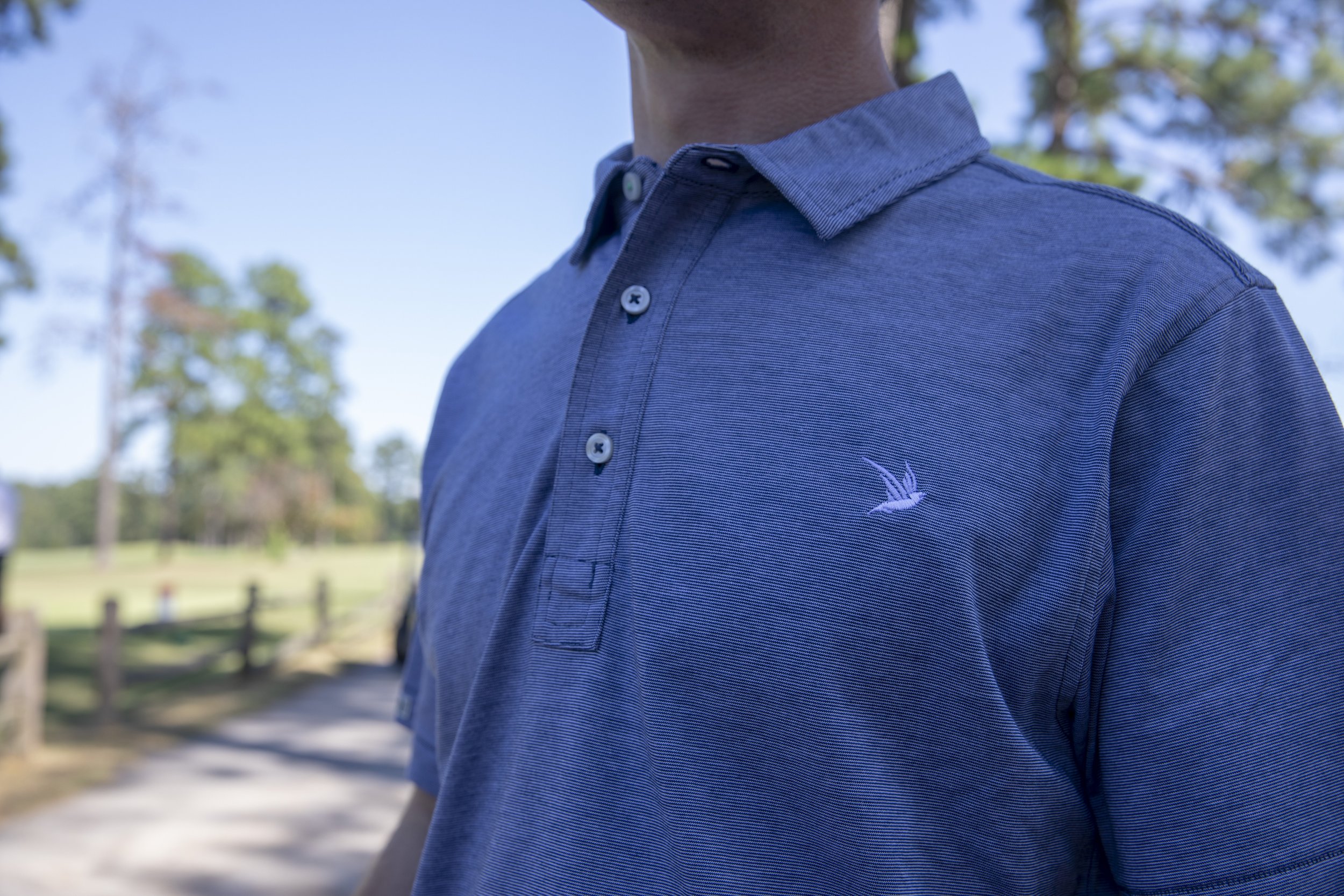
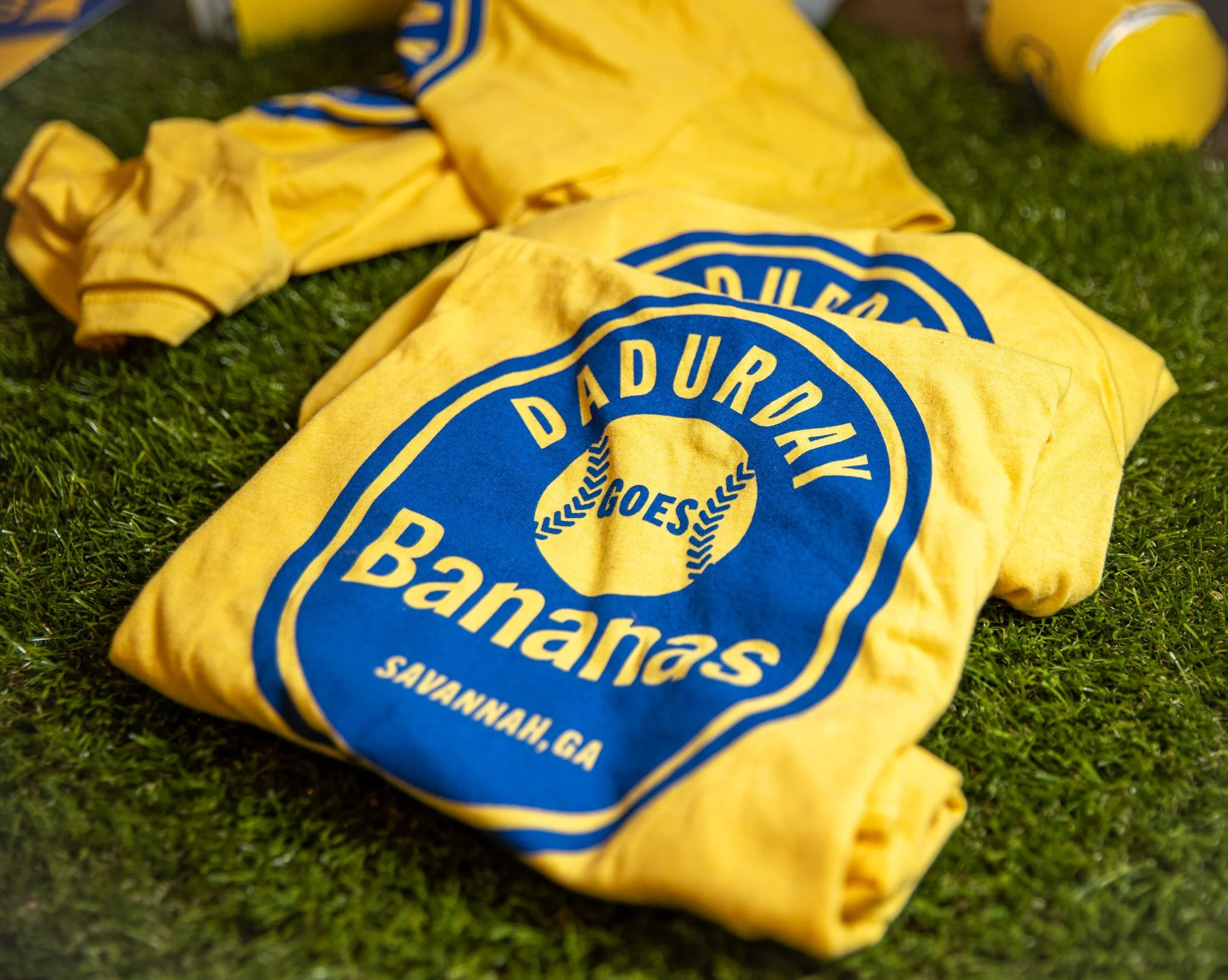
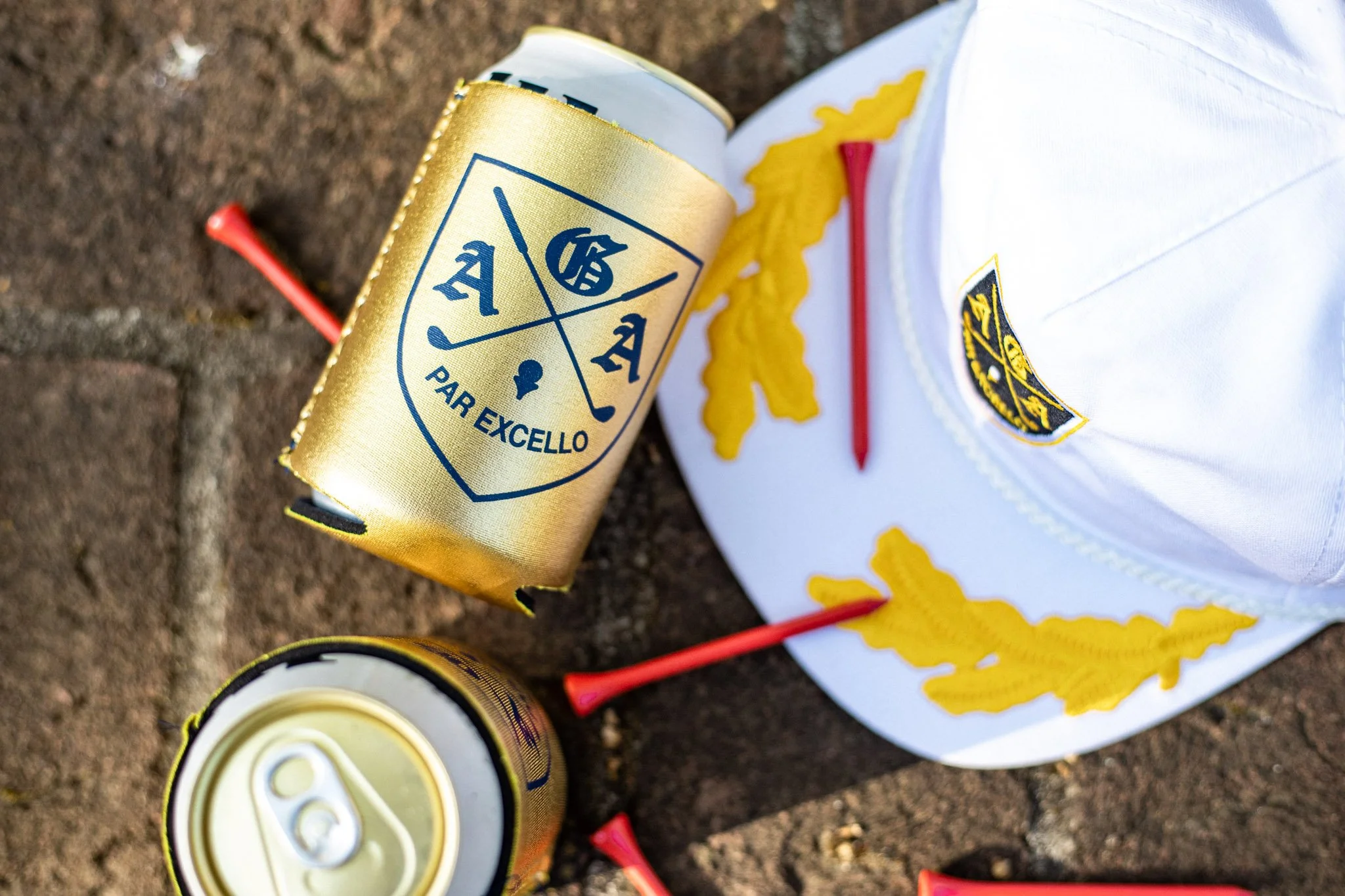
For corporate and charity golf scrambles, performance polos and quarter-zips are the backbone. Look for fabrics that handle heat and movement without feeling too corporate, and colors that nod to your brand without turning everyone into walking highlighters. For internal social events, rec leagues, and group trips, elevated tees and lightweight layers are often the better choice. Think “weekend favorite” more than “corporate giveaway” and pay attention to fit profiles so people of all ages and roles can find something that feels like them.
Keepability in apparel comes down to comfort, style, and subtlety. If the piece is comfortable, fits well, and the decoration feels more like a mark than a billboard, it has a shot at becoming part of someone’s regular rotation.
Hydration That Goes Beyond the Event
Sports and social events are long days. People are usually carrying something to drink whether you provide it or not. So when you do provide it, and you do it well, you create a useful daily object that also happens to tell your story.
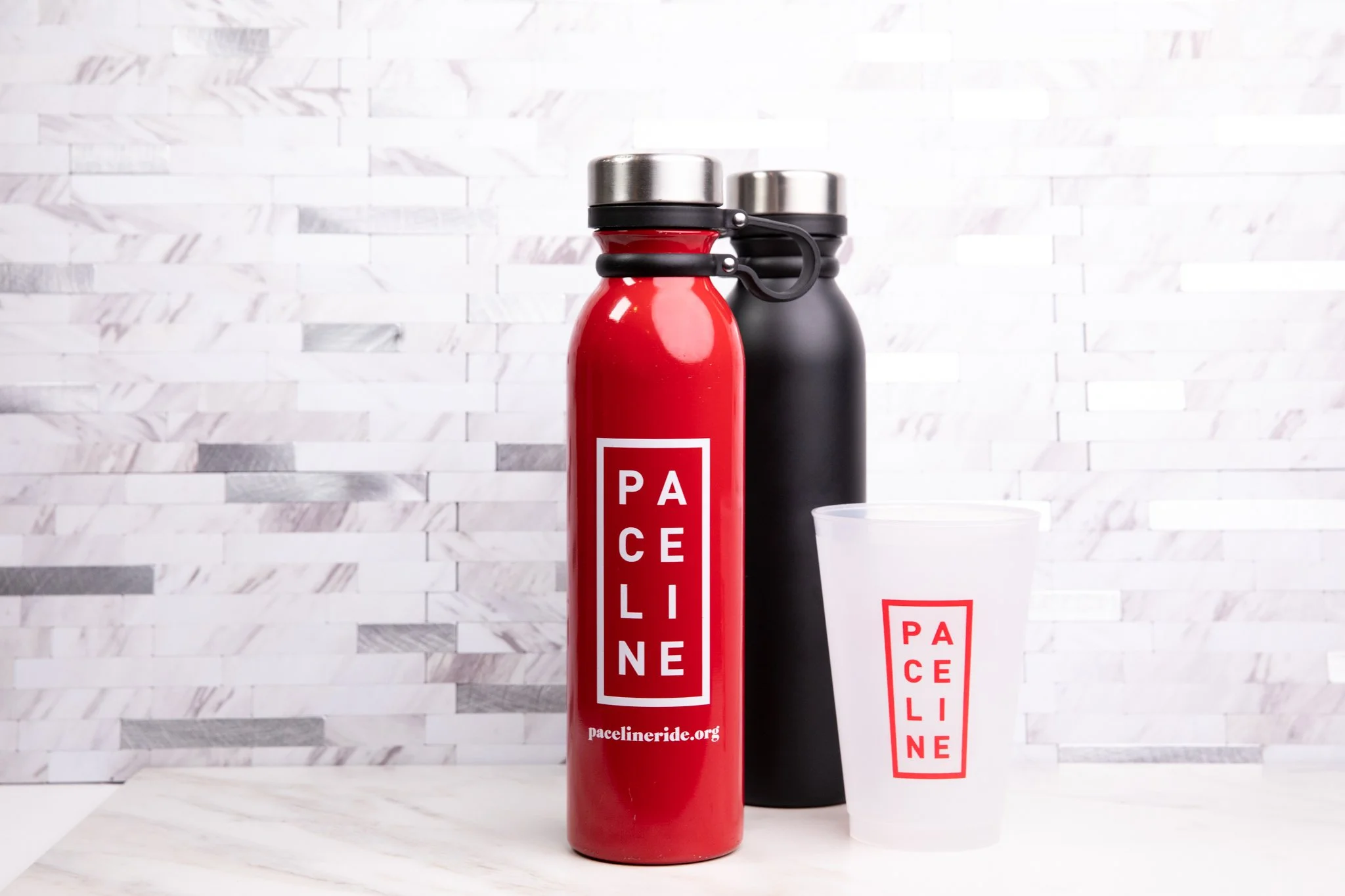
Insulated tumblers and bottles shine at golf tournaments, field days, and festivals because they solve a simple problem. They keep drinks cold, cut down on waste, and move smoothly from the course or the lawn to the office or the car. Options with spill-proof lids and smaller formats that fit in cupholders may make more sense for commute-heavy audiences, while larger capacities and easy-carry handles play well for all-day outdoor events.
When in doubt, choose forms and colors that feel like they could sit on a retail shelf rather than a conference table. That single decision often determines whether your drinkware ends up in daily use or the back of a cabinet.
Bags That Travel
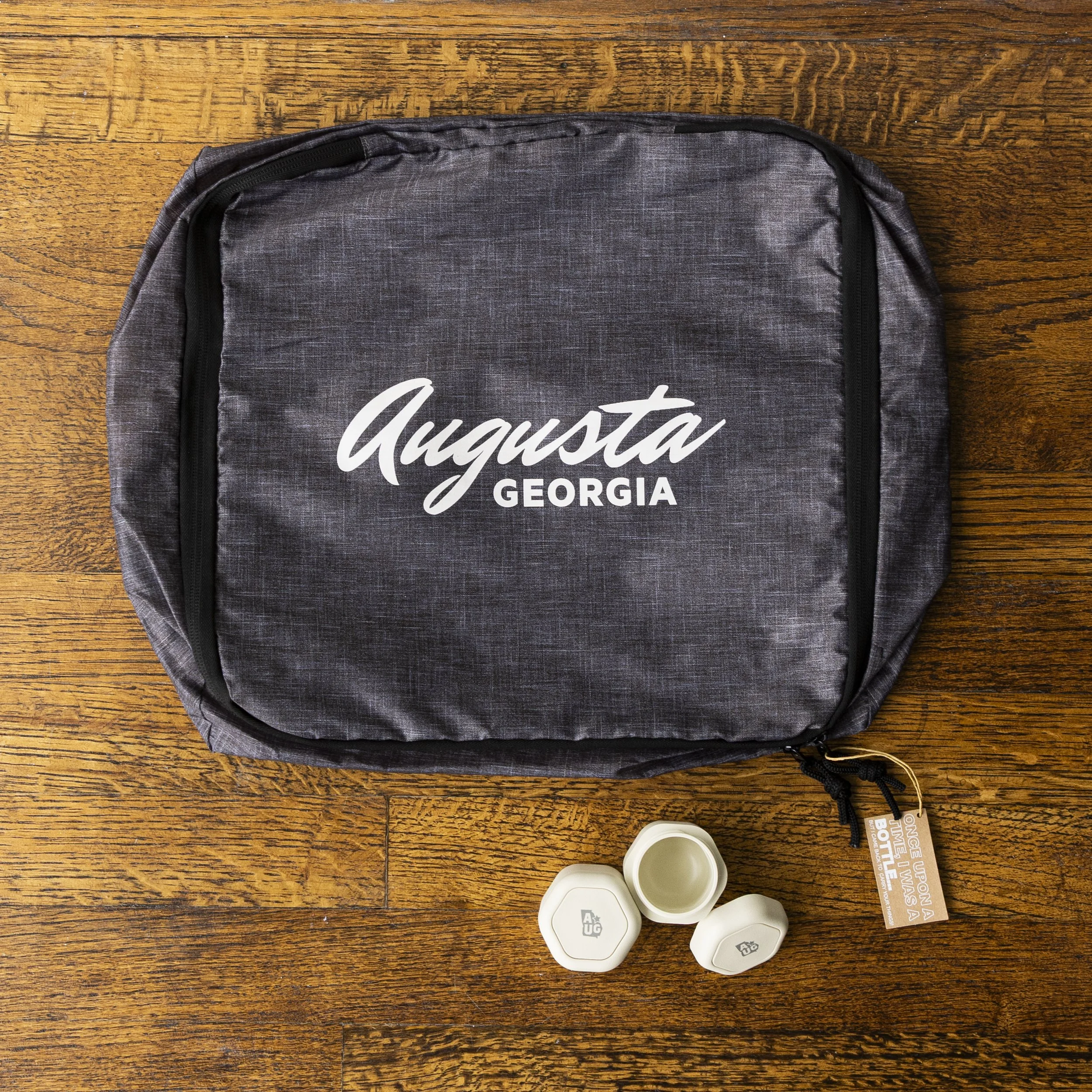
Bags are one of the easiest ways to extend your brand into real life because they naturally move through airports, parking lots, campuses, and office lobbies. For sports and social events, they also solve a practical problem. People need a way to carry all the other merch you are giving them.
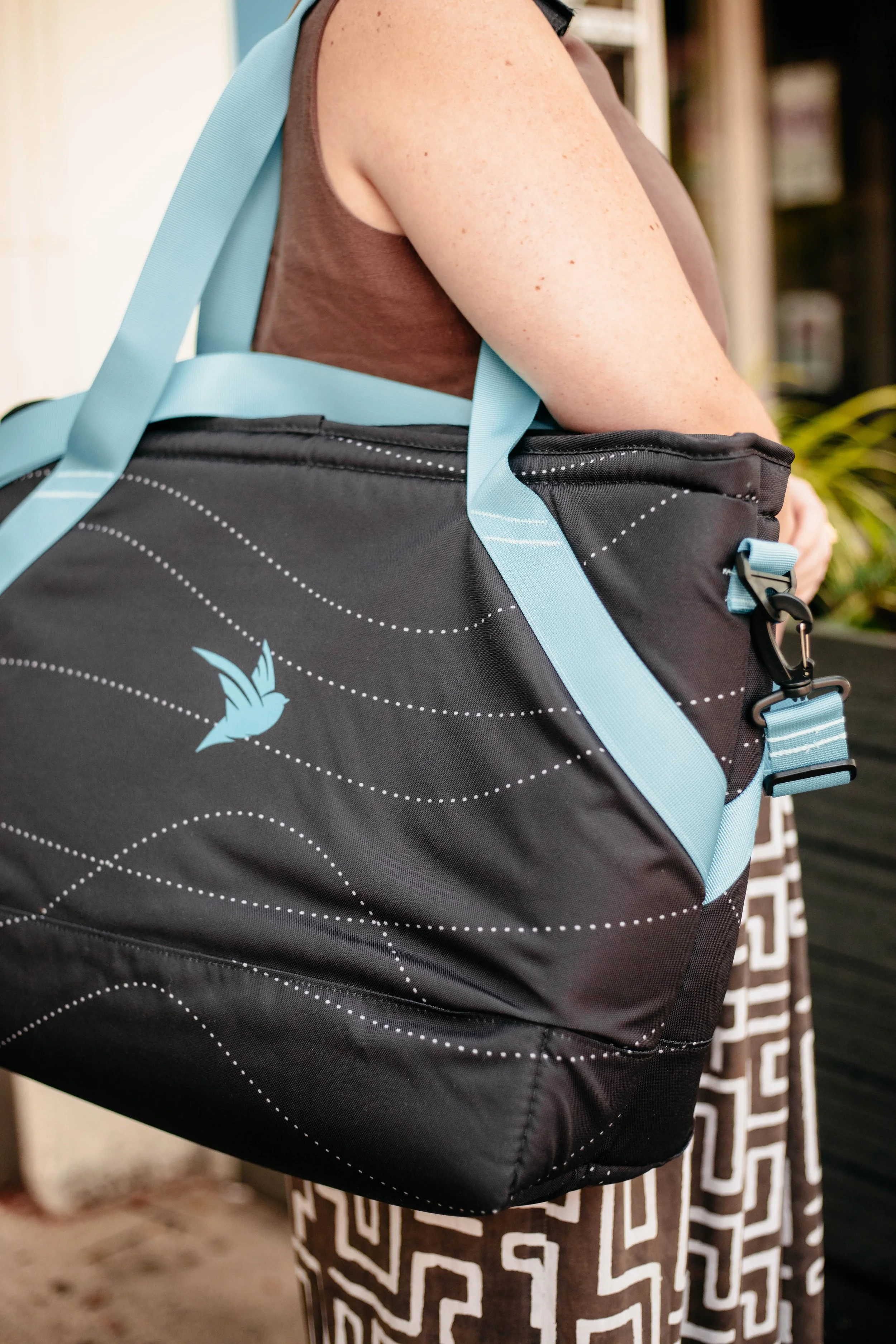
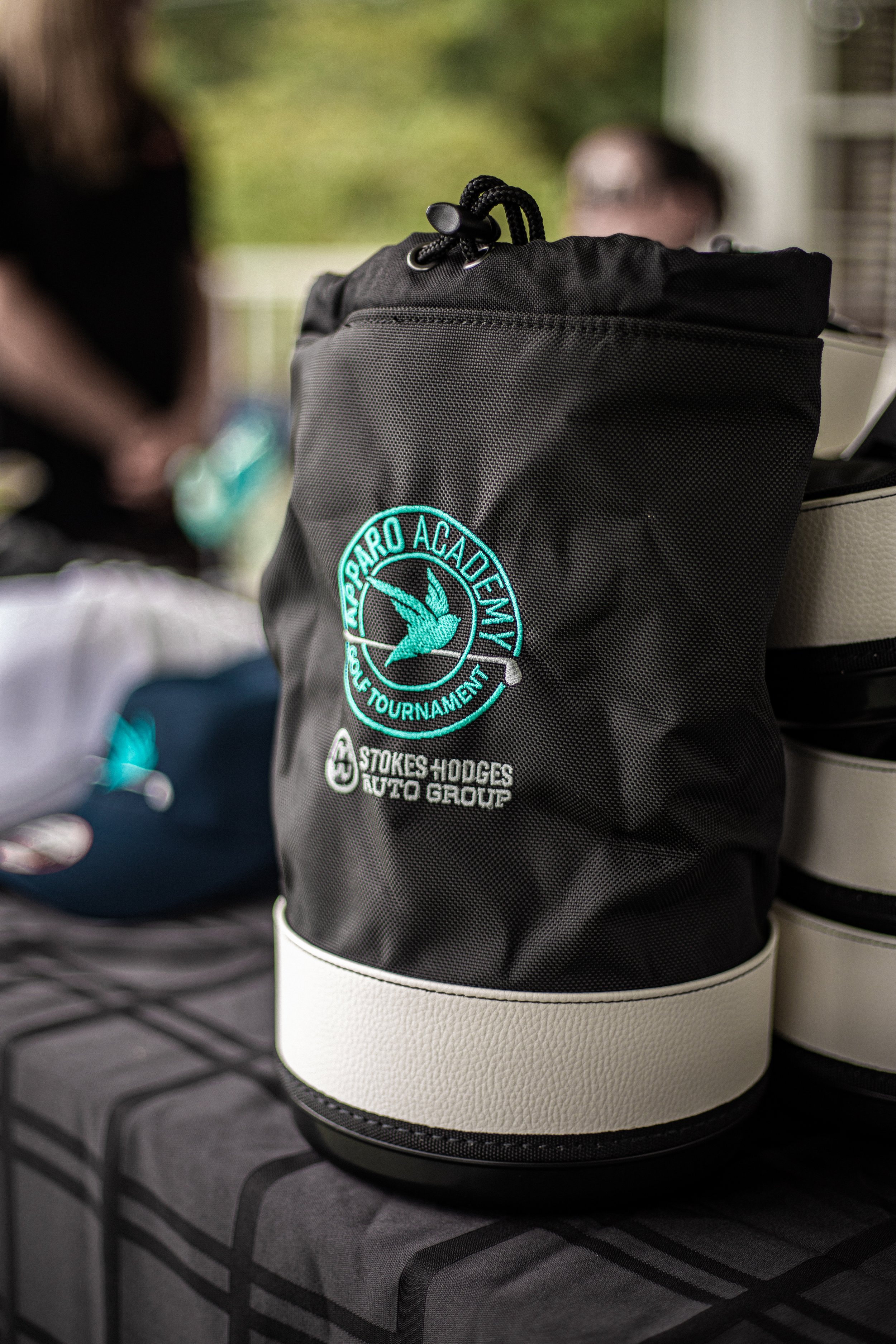
On the golf side, shoe bags, ball totes, and soft coolers can all be part of the story. They are functional on the day of the event and still useful for future rounds. For groups traveling to big games, alumni trips, or championship seasons, clear stadium bags, belt bags, and travel-friendly backpacks are the heroes. They make getting through security easier, they photograph well, and they tend to stick around after the event.
When bags are treated as wearable design objects instead of just containers, they quickly become some of the most visible pieces in your entire program.
Accessories & Extras That Create Comfort
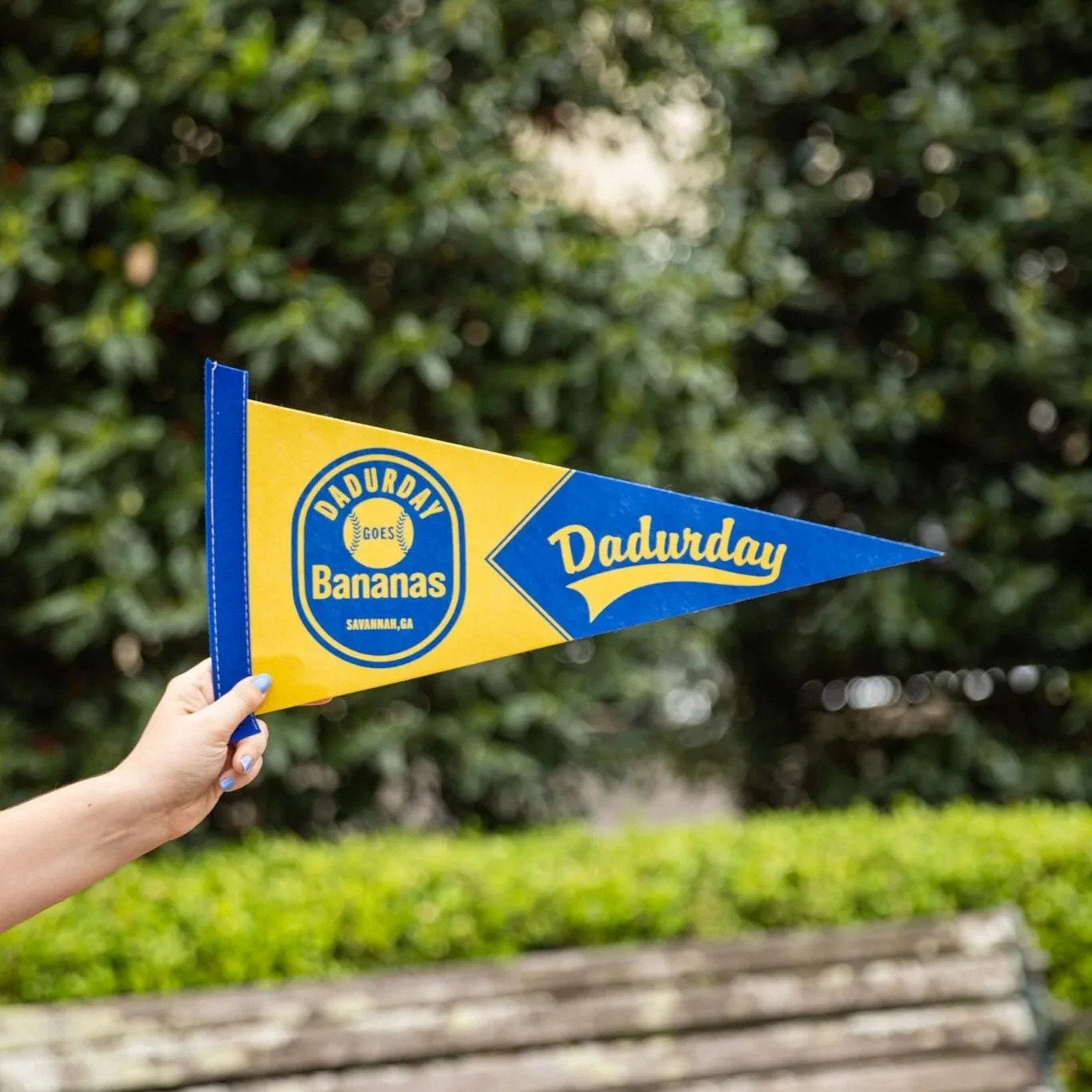
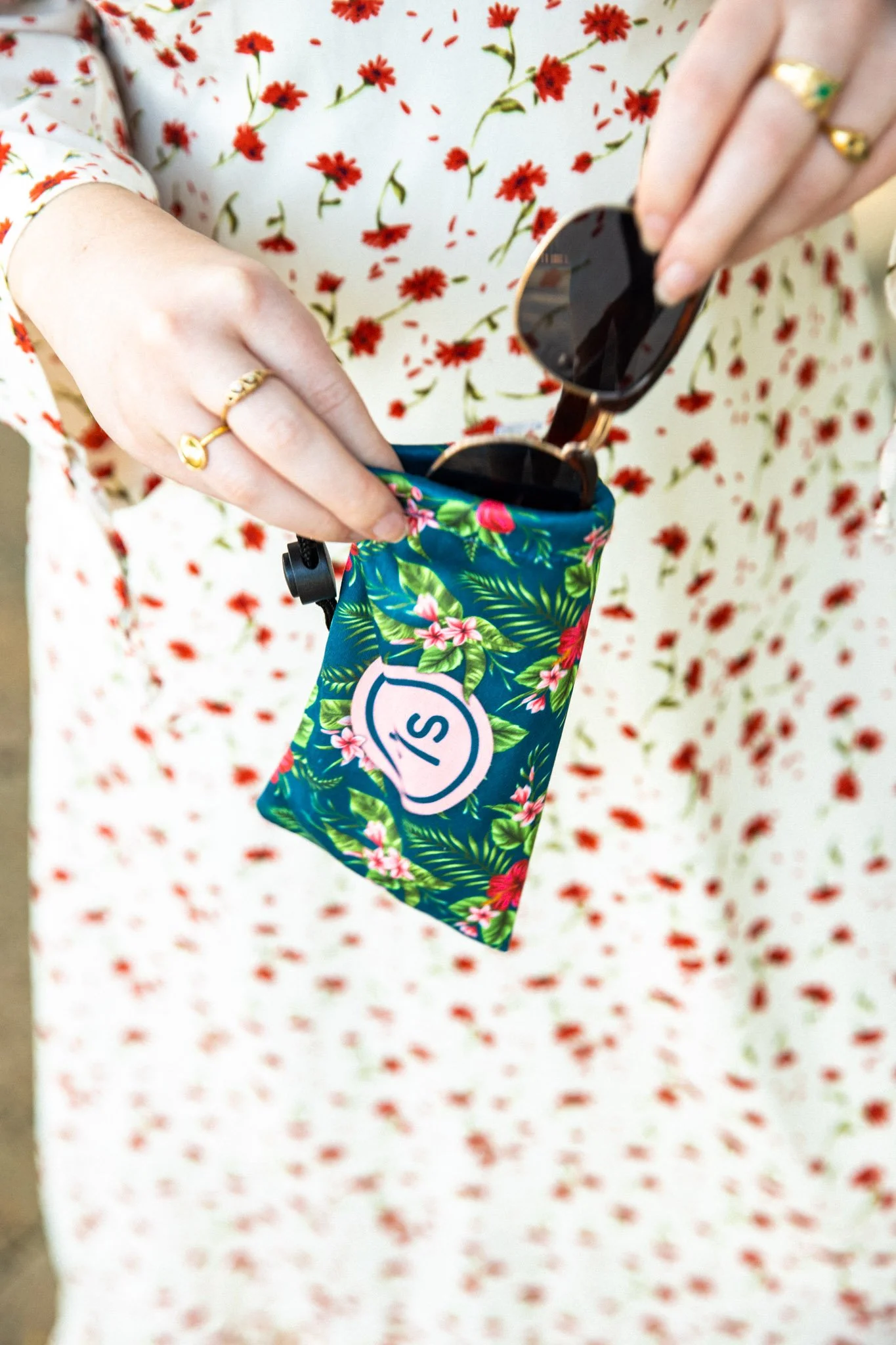
Accessories are where you can tailor a collection to the specific demands of the event without blowing up the budget. They are small, often lower-cost pieces that are high on perceived thoughtfulness when chosen well.
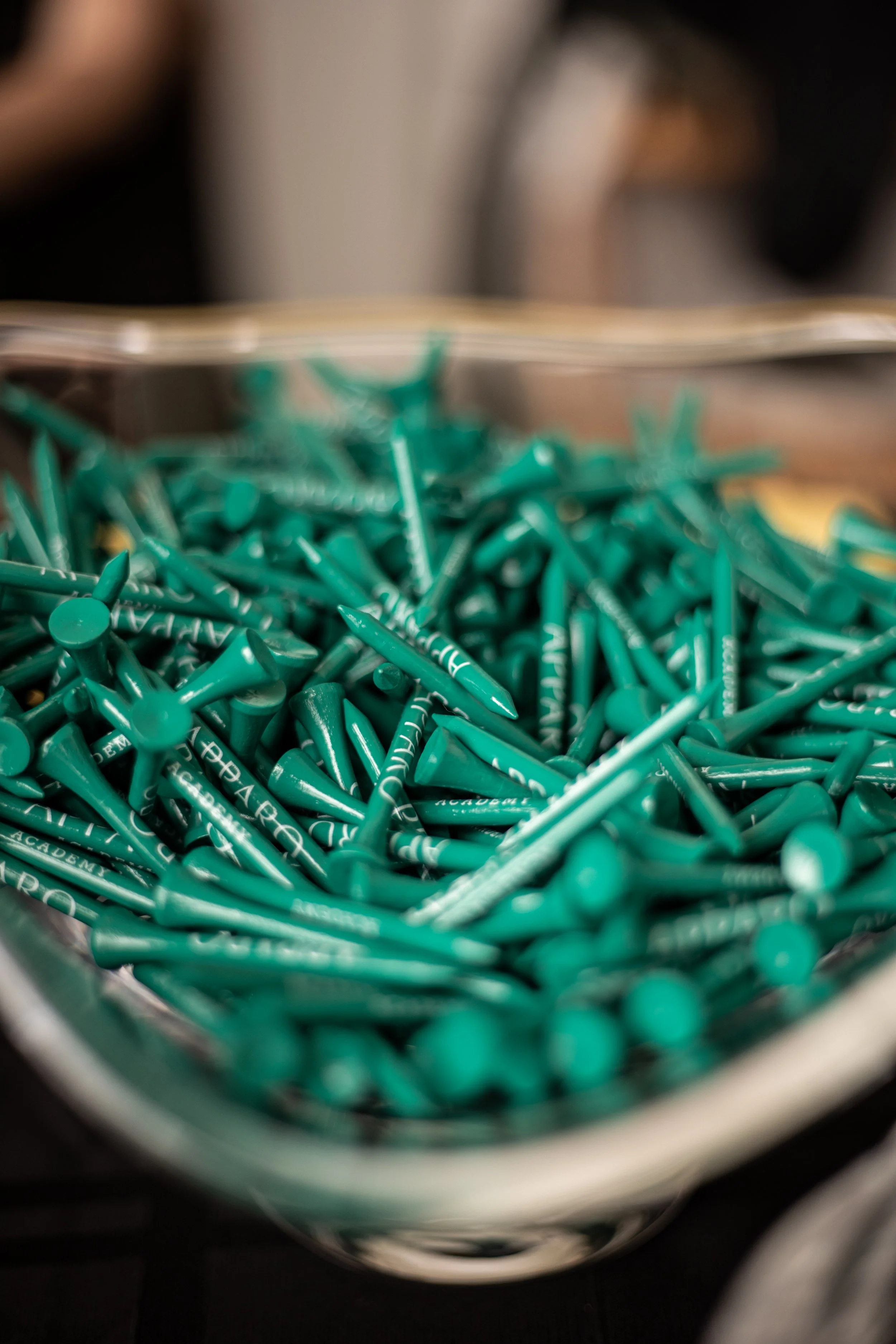
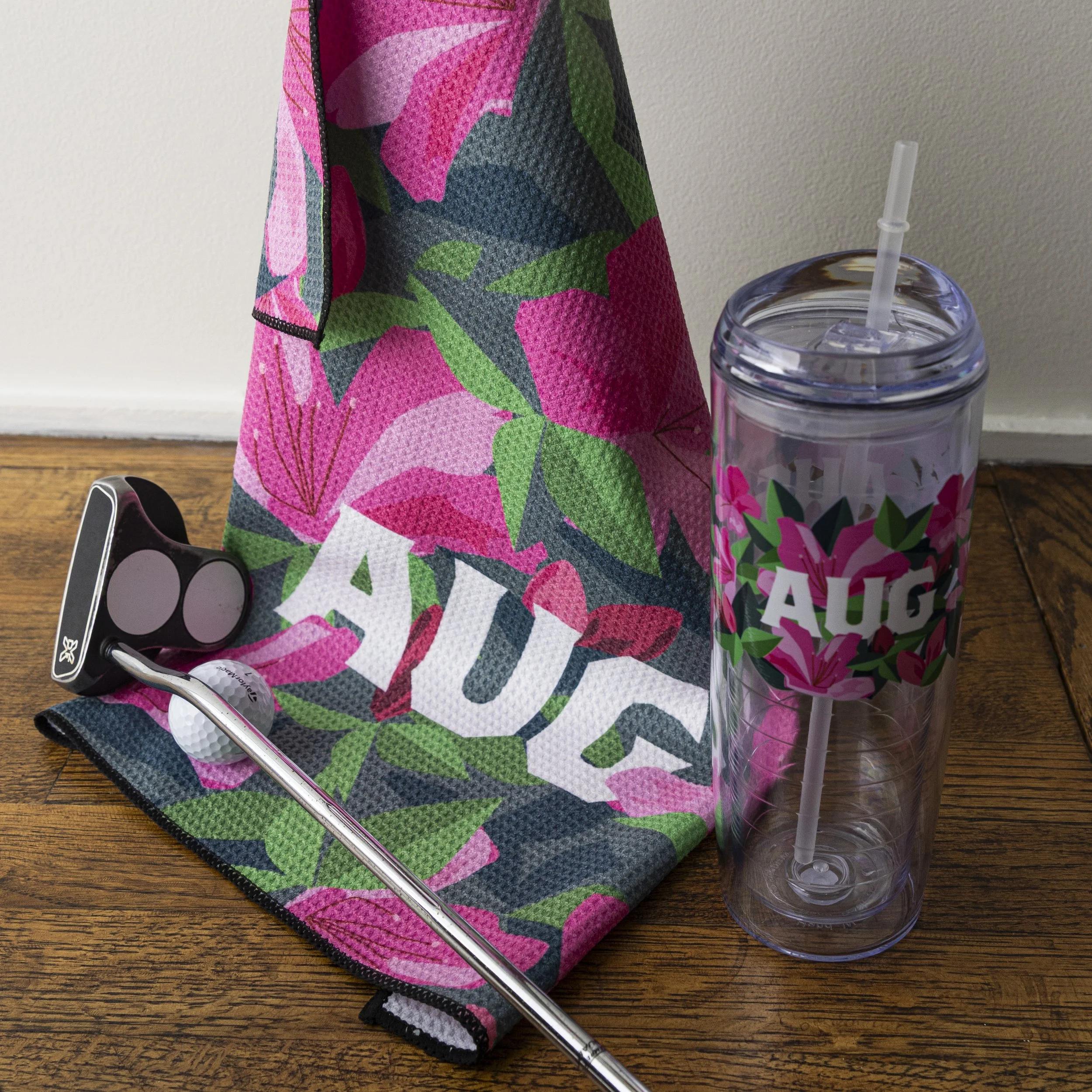
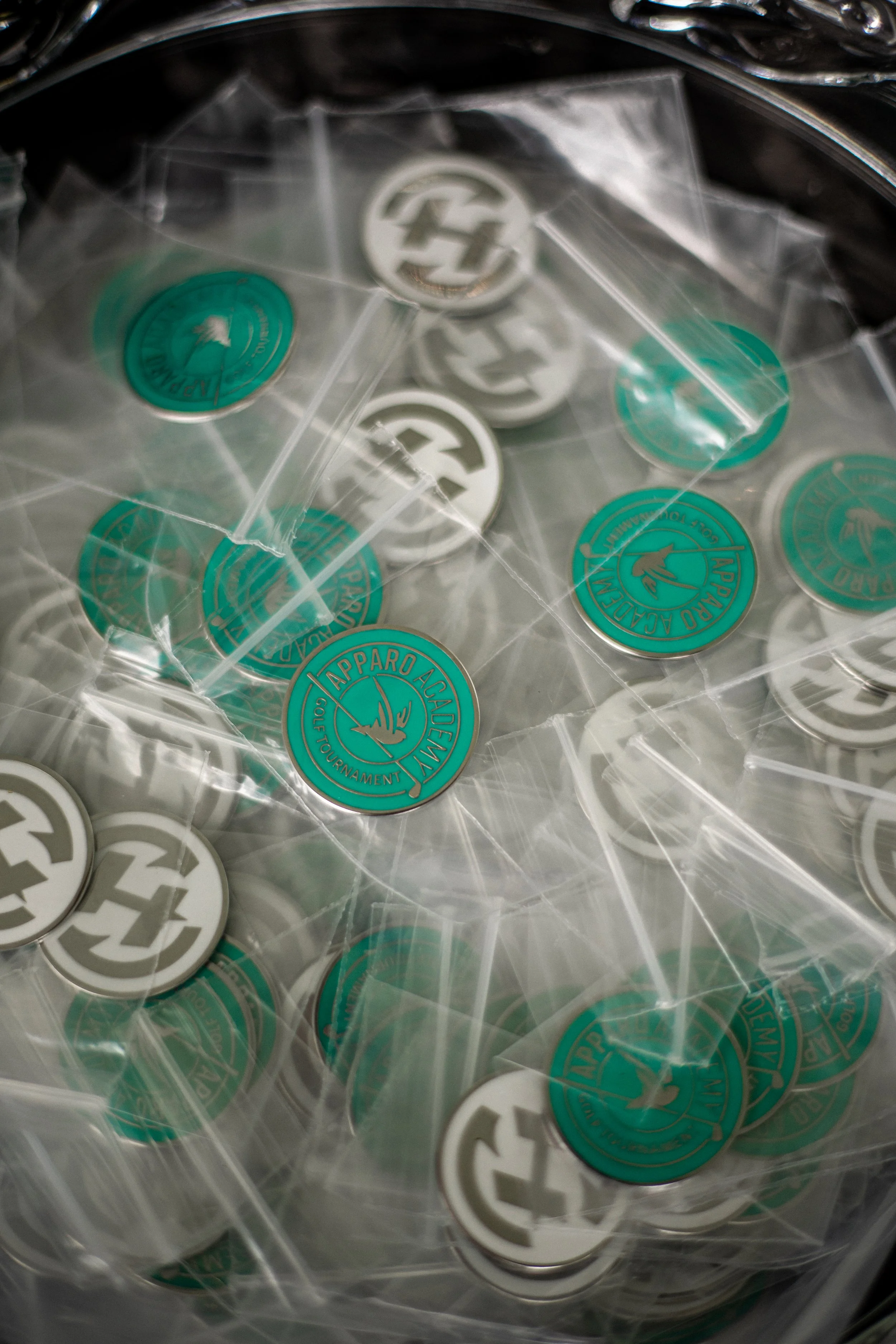
For corporate and charity golf events, think in terms of course conditions and play. Towels, ball markers, umbrellas, headwear, and even simple weather-related items like fans or hand warmers can all add up to a smoother, more enjoyable round. For employee field days, wellness challenges, and festivals, sun care and comfort matter. Sunscreen sticks, lip balm, cooling towels, portable fans, and even light snacks can make guests feel looked after on a long, hot day.
Because accessories often get used right away, they also have an outsized impact on how people feel in the moment. That helps your event feel more like hospitality than obligation.
Tying It Together
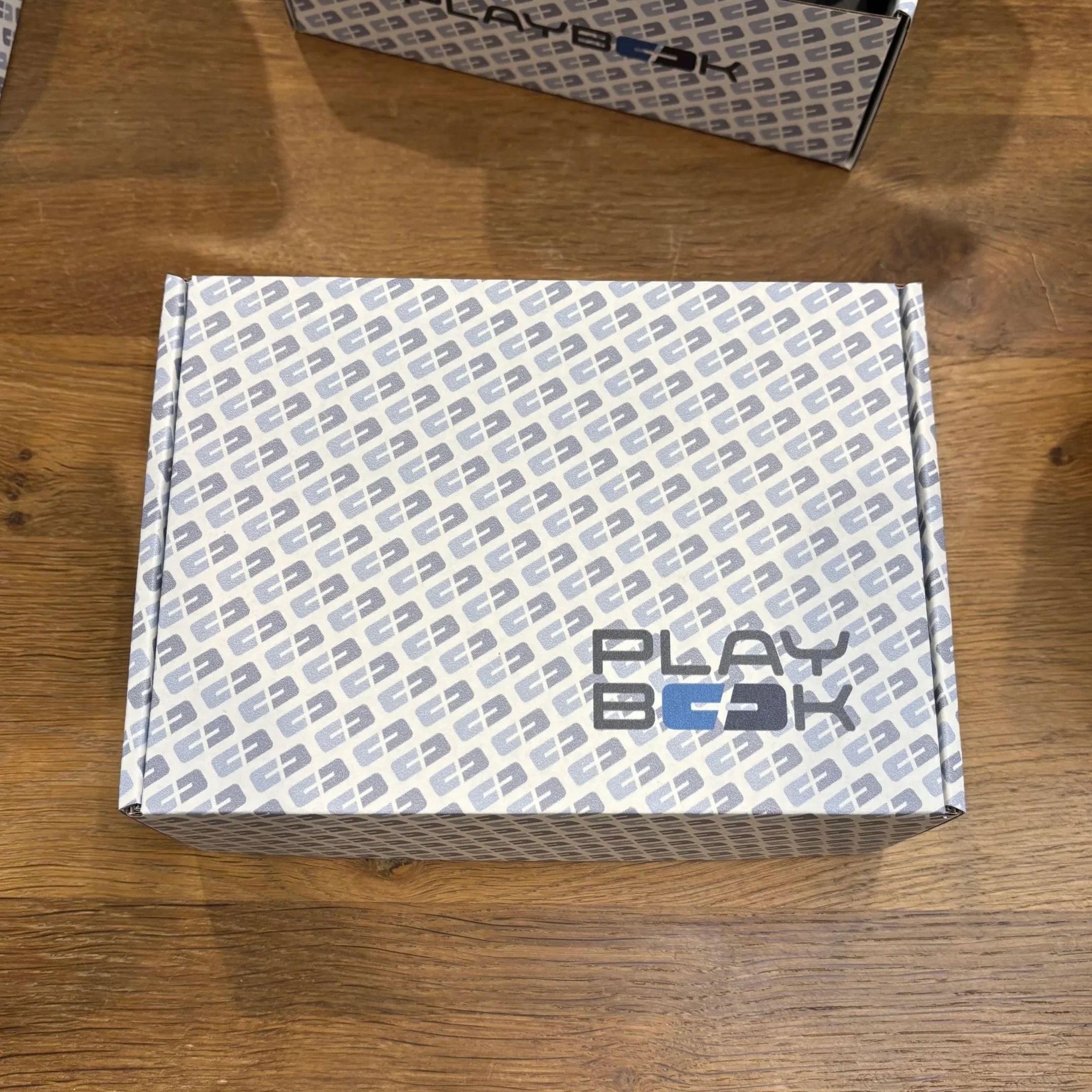
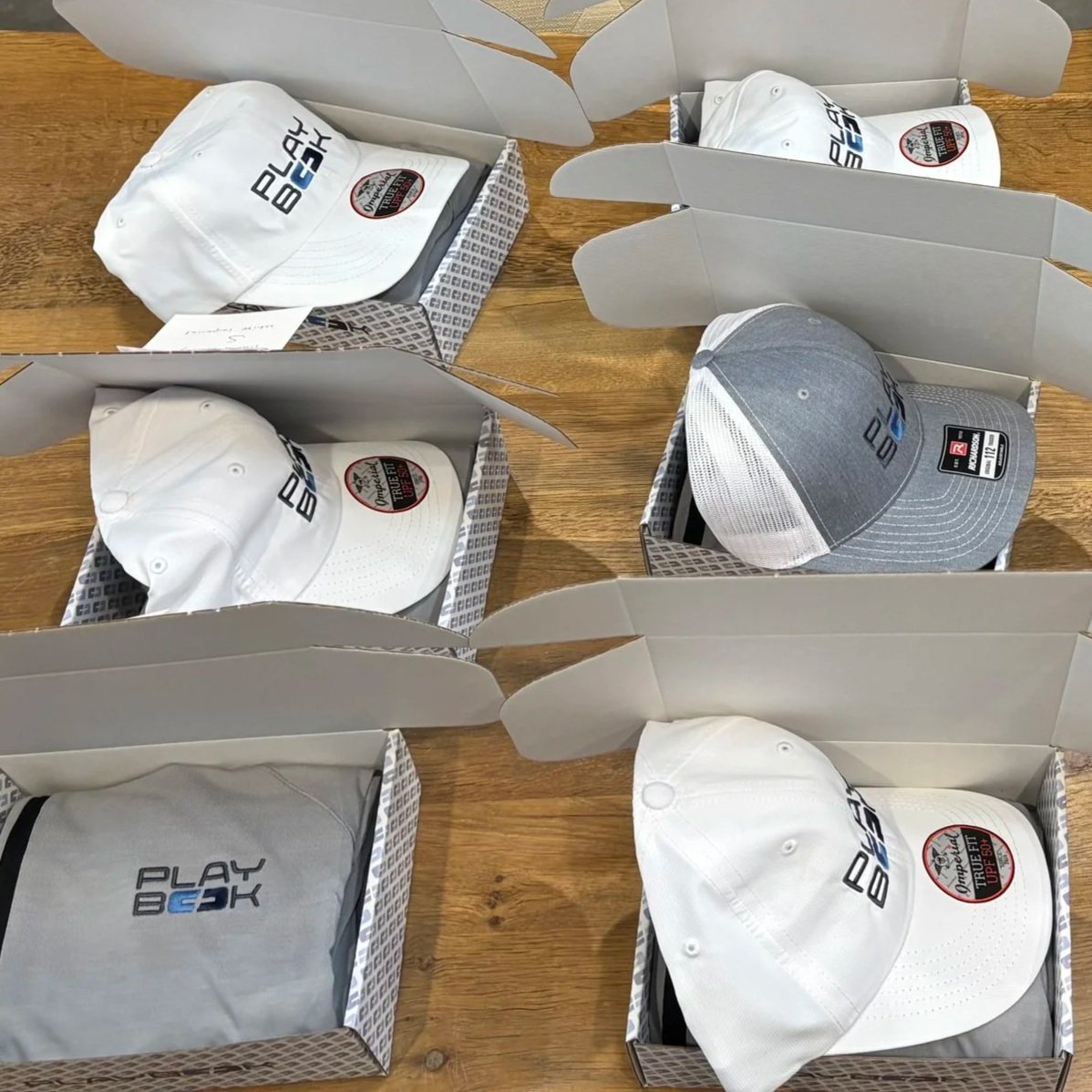
Kits and packaging are where a collection starts to feel like an experience instead of a list. An arrival kit at a golf scramble signals that the day has been thought through. A “game day” pack for a road trip to a big match or a “festival survival” kit sets expectations before the first whistle or song.
You can build kits in many ways. Some programs focus on one big moment at check-in. Others spread the experience across a season or a multi-day event, with small reveals that keep people engaged. The common thread is intention. When items are grouped with a clear purpose and story, the perceived value rises without you necessarily spending more on the individual pieces.
Design & Keepability Are the Real ROI
You can make the most thoughtful category choices in the world and still miss the mark if the design feels off. The reverse is also true. Simple items with excellent design and decoration can become some of the most loved pieces in a collection.
Keepability is a useful filter. Ask yourself whether each item feels like something your audience would keep and use even if the logo were smaller.
That usually leads you toward cleaner decoration, colors people actually wear, and details that nod to the event without trapping the piece in time. It also tends to align naturally with more sustainable choices, because the most sustainable merchandise are the products people keep for years.
Following the same design system across your collection helps, too. When apparel, drinkware, bags, and accessories share a visual language, everything feels intentional. This cohesion is part of what separates a vendor order from a collection built with a creative partner.