
The Year in Merch
How Strategic Storytelling Replaced Cheap Swag in 2025
2025 marked the definitive end of the "box of cheap giveaways." This year, the brands that succeeded treated merchandise as a strategic, story-driven channel, investing in quality, sustainability, and experience.
Here are the three defining shifts that reshaped the merchandise landscape in 2025:
1. The Ascent of Premium Quality & Conscience
The biggest story of the year was the irreversible shift from bulk volume to fewer, higher-end pieces. Merch finally became apparel and accessories people actually wanted to keep and use.
Quality over Quantity Pays Off
Brands prioritized elevated materials (organic cotton, performance knits), refined finishes, and tailored apparel (premium sweat sets, structured hoodies). This "lasting luxury" approach significantly boosts brand perception and delivers a higher ROI.
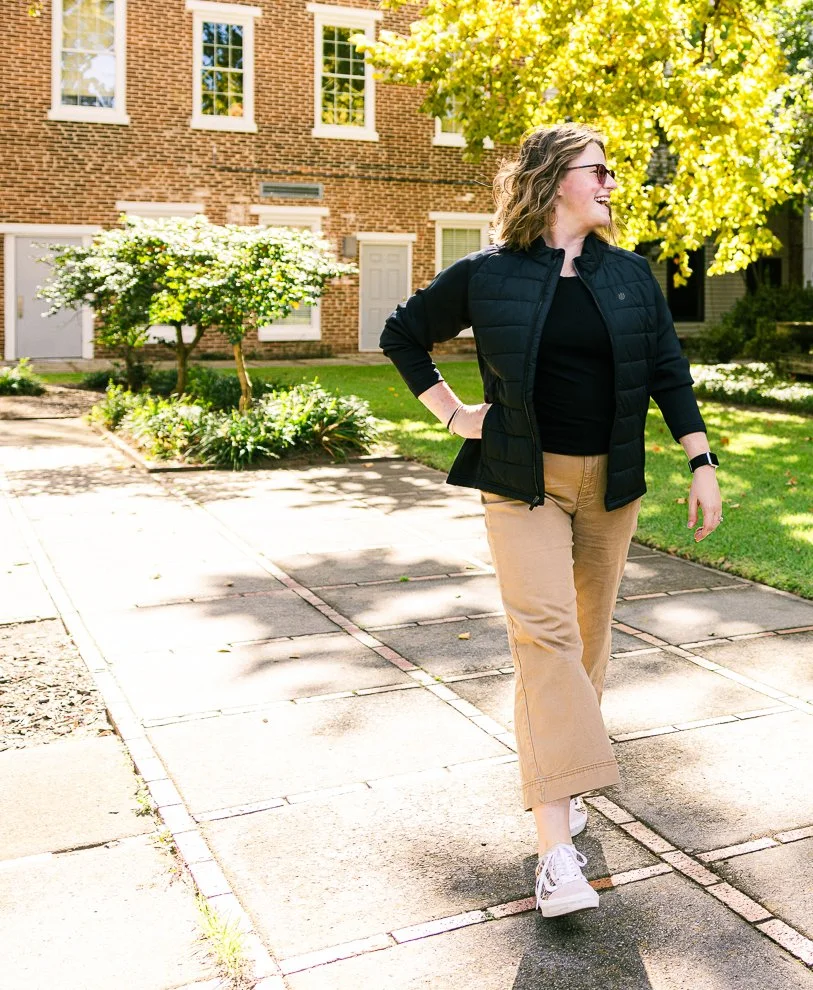
The Women's Lotus Hybrid Puffer Jacket is made with GRS-certified recycled materials
Sustainability Has Become the Standard
Ethical sourcing and environmental responsibility are no longer differentiators. Certifications, low-impact dyes, recycled materials, and transparent end-of-life stories (recyclability) are key product features especially for Gen Z and Millennial audiences.
2. Personalization Powered by Data and Tech
Merch has moved beyond generic logo placement and became hyper-specific, leveraging new production flexibility and data insights. In 2025, companies are moving past standard blanks with basic screen prints, prioritizing custom production to create completely unique, on-brand merchandise. Brands seek designs that match exact Pantone colors, reflect identity through tailored fits and fabrics, and incorporate custom elements like branded zippers, linings, or exclusive patterns.
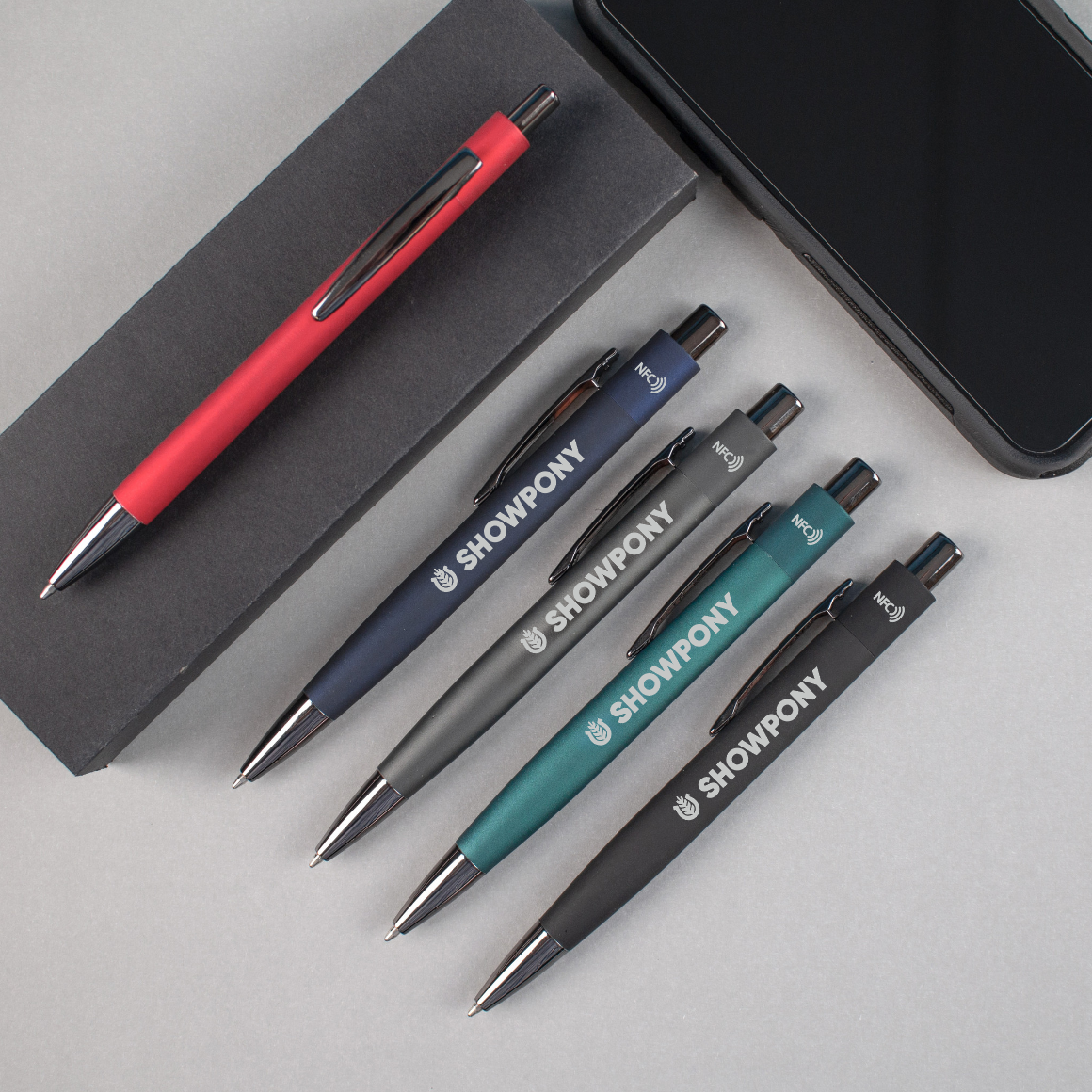
Share data with just a tap using these NFC pens
Physical Items are even more interactive
Technology bridged the gap between tangible goods and digital content. AR overlays and QR codes that unlocked exclusive content (playlists, event footage, secret communities) turned merch into interactive storytelling touchpoints, supporting campaign narratives and event recaps.
3. Design Aesthetics Were Defined by Vibe
Design in 2025 embraced the extreme, moving away from uniform simplicity. Brands had to decide which aesthetic truly represented their community.
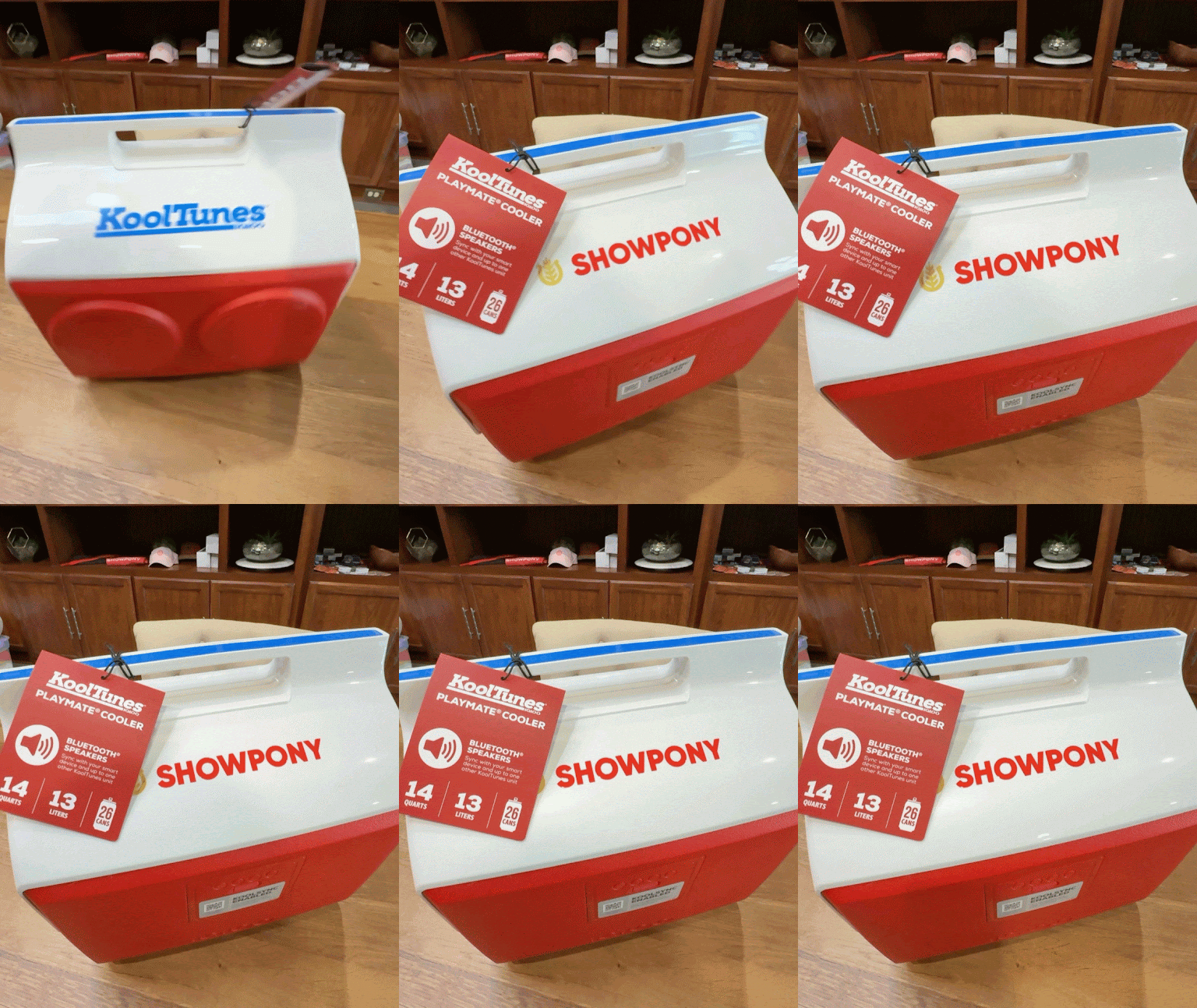
Cold beverages and your favorite music combine in this fabulously retro Kooltunes Cooler by Igloo
The Return of Maximalism
We saw a significant trend toward "more is more," particularly in creator and fandom spaces. Layered graphics, high-contrast colors, oversized logos, and neon accents were used to create bold, highly collectible drops.
The Power of Nostalgia
Retro fonts, Y2K callbacks, and 90s visual cues were leveraged in limited runs, ensuring merch felt authentically "on vibe" and collectible rather than simply branded.
The Importance of Utility
Categories like reusable bottles, tech accessories, and commuter bags remained essential, but they won based on superior construction, thoughtful packaging, and multi-functionality that seamlessly integrated into daily routines.
💡 2026 Strategy Takeaway
The lesson of 2025 is clear: Lead with meaning
Successful brands started with a story, a cause, a community milestone, or a shared identity and then invested in high-quality, sustainable products to reinforce that narrative. Focus on building integrated systems that use data to inform personalization, rather than managing one-off promotional giveaways.
