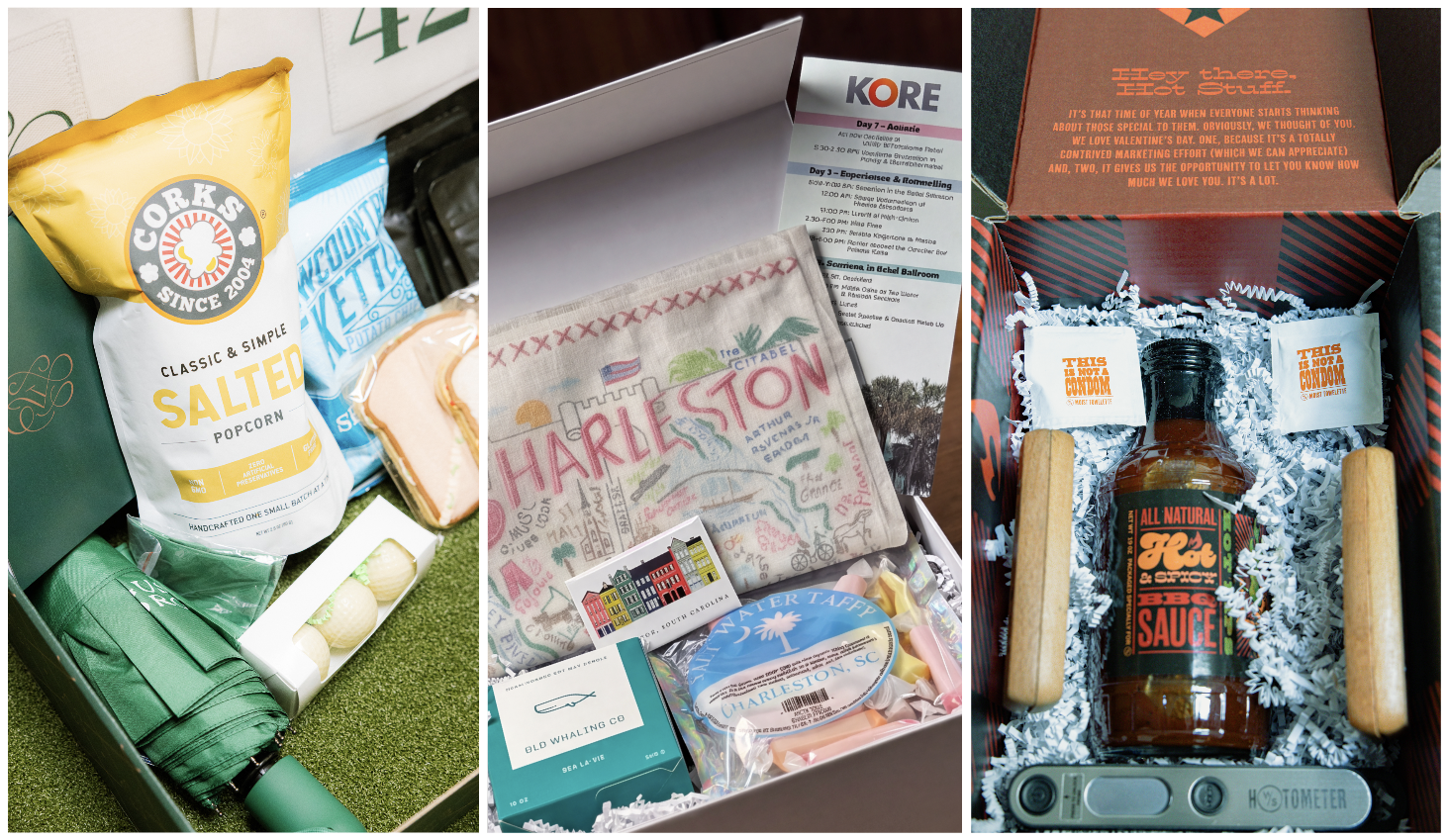
A year of merchandising strategic programs for clients will teach you a few things. Some are obvious, like always encouraging clients to order early. Others take a little more digging, like why the most expensive item in the box isn’t always the one people remember.
Across employee gifting, client appreciation, event giveaways and everything in between, one thing holds true: good merch doesn’t happen by accident. It takes a little strategy, a little creativity, and a healthy respect for the fact that nobody needs another branded item collecting dust in a drawer.
Here’s what this year reinforced about making merch work harder.
Useful Gets You in the Winner’s Circle
A great design might get someone’s attention, but usefulness gives them a reason to keep it.
Think bags that make travel easier, drinkware that earns a permanent spot on the desk, or apparel people actually want to wear outside the company event. The best merch fits naturally into someone’s life instead of asking them to make room for it.
The takeaway: Start with the recipient, not the logo. This sounds cliché, but it works: What would they use, where would they use it, and what would make them reach for it again?
Don’t Overlook the Unboxing
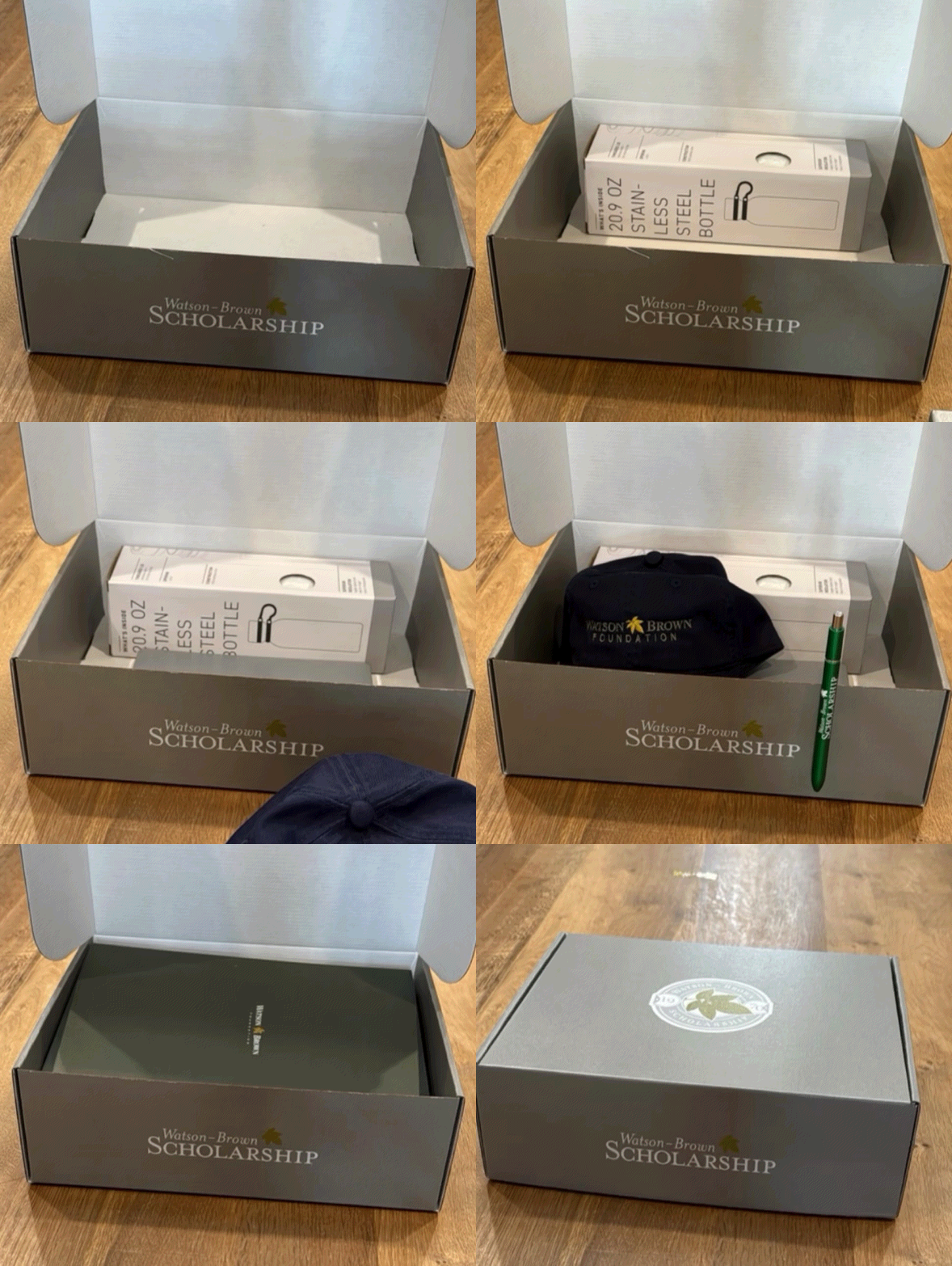
A collection of great products can feel haphazard if it’s not thoughtfully assembled.
Packaging, presentation, and the little details between products can turn an ordinary delivery into something worth talking about. A cohesive color story, a clever insert, or a custom box that makes everything feel intentional can elevate the entire experience before anyone gets to the good stuff.
Of course, the presentation should serve a purpose. There’s no need to wrap a water bottle like it’s a royal heirloom. But when the packaging adds to the story, it earns its place.
The takeaway: Plan the whole experience, not just the products. The way merch arrives can be just as memorable as what’s inside.
Strategic Timing Is Your Creative Advantage
The best merch ideas need room to breathe.
Custom products, decorated apparel, special packaging, and multiple shipping destinations all add moving parts. Starting early gives you more flexibility to explore options, refine the creative, and make thoughtful decisions instead of settling for whatever can be rushed to meet your deadline.
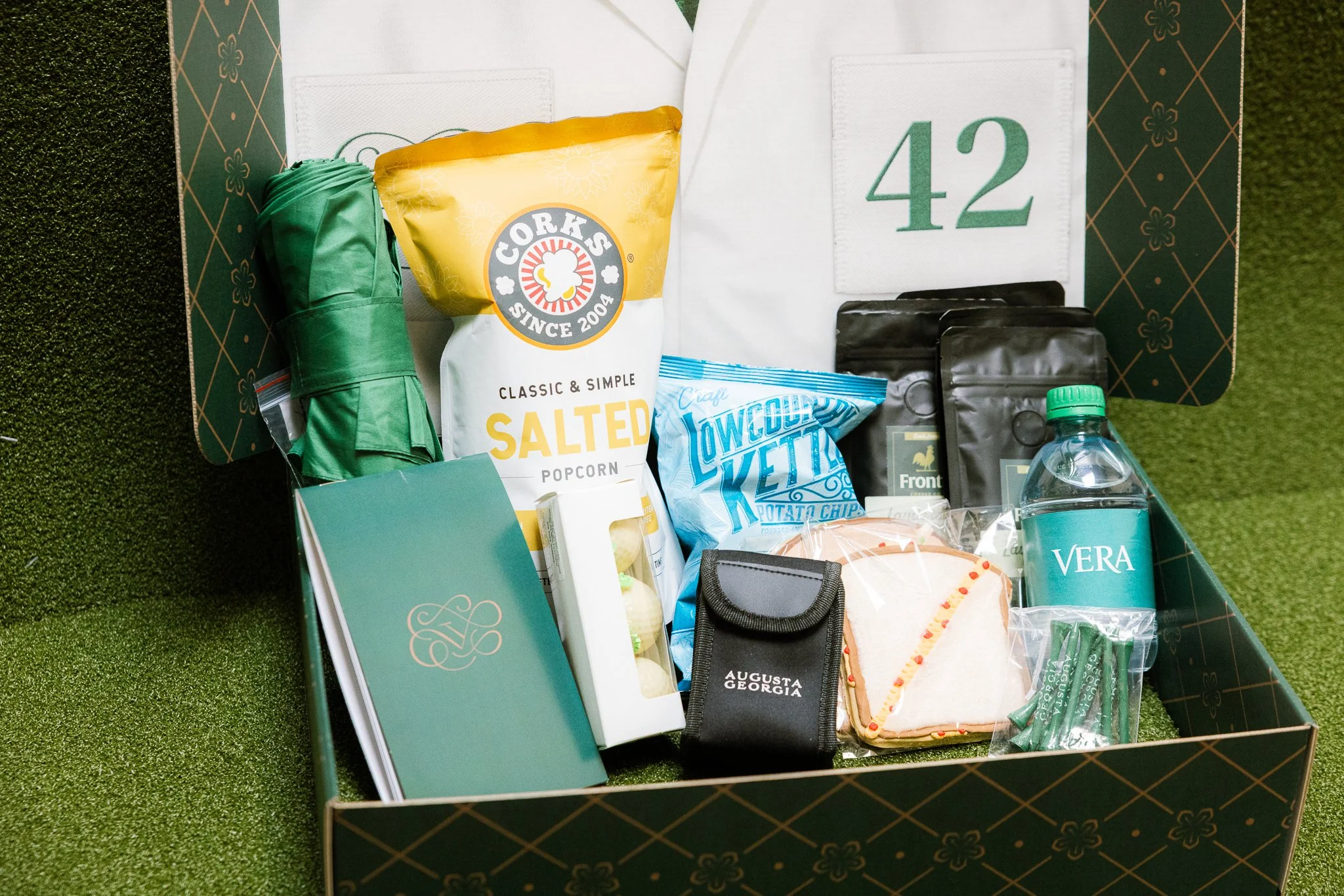
It also makes seasonal programs feel less humdrum. Holiday gifting is a lot more enjoyable when the only thing arriving at the last minute is the office cookie tin.
The takeaway: Build your merch timeline backward from the in-hands date. Leave room for approvals, production, shipping, and the occasional annual plot twist.
A Budget Needs a Strategy to Complete the Story
A merch budget can disappear surprisingly quickly when every item looks good on its own.
The trick is knowing what each piece needs to accomplish. Is the goal to thank a high-value client, welcome a new employee, attract attention at a trade show, or keep a brand visible long after an event? Different goals call for different products, quantities, and levels of investment.
Sometimes that means one standout item. Other times, a well-curated collection of accessible products will make a bigger impression across a larger audience.
The takeaway: Define the goal before choosing the merch. When every item has a purpose, your budget can work a lot harder.
Customization > Just a Logo
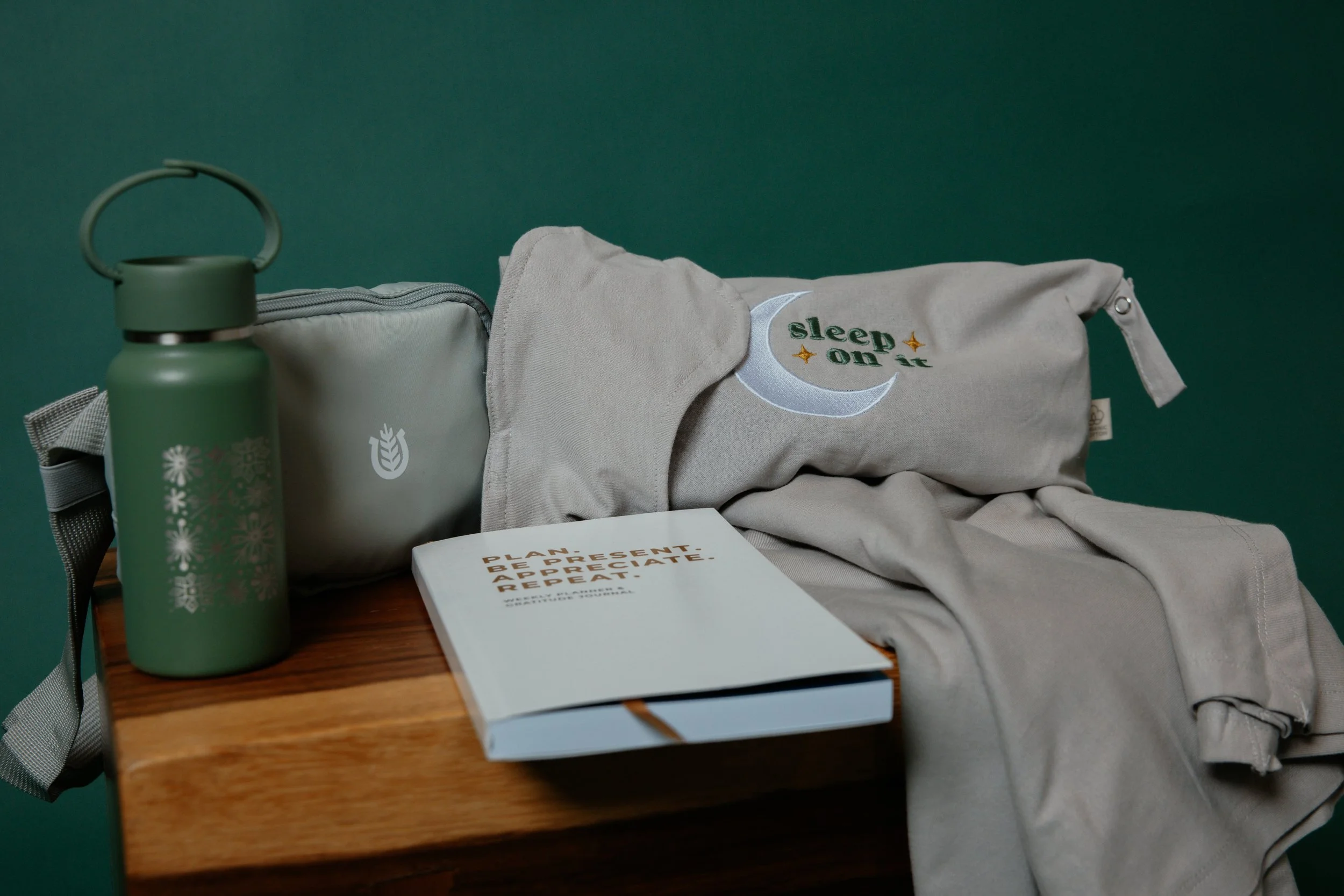
Branding is important, and being recognizable is the point. The best custom merch feels like it belongs to the brand rather than something pulled from a catalog and stamped with a logo.
That might mean a color combination you wouldn't find on a standard shelf, an unexpected product pairing, custom artwork, or packaging that gives the whole program a distinct personality. The goal isn't to make everything unusual for the sake of being unusual. It's to make the experience feel bespoke.
The takeaway: Look beyond the imprint. Product selection, color, design, and presentation all have a role in making merch memorable.
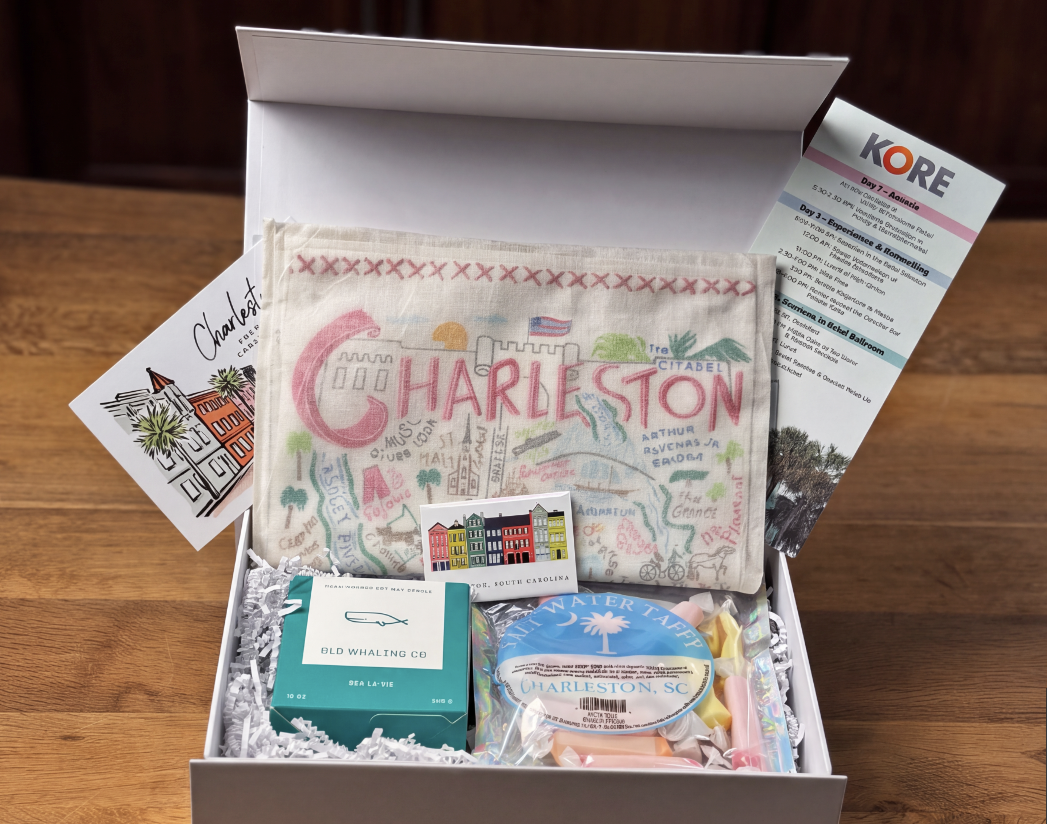
The Giveaway Is the Beginning, Not the Finish Line
It's easy to measure a merch program by what happens on delivery day. How many kits went out? How many items were handed across the tradeshow table? How quickly did everything ship?
Those details matter, but they don't tell the whole story. It pays to look closer.
Did the employee feel welcomed? Did the client feel appreciated? Did the product start a conversation or give someone a reason to remember the brand? Those are the outcomes worth designing for, even if they take more effort to measure.
A little follow-up can help, too. Ask recipients what they liked, pay attention to which items get used, and gather feedback before planning the next purchase order. Over time, those observations can make future programs more relevant and effective.
The takeaway: Think beyond distribution. A successful merch program should have a clear purpose and metric to evaluate its impact.
Make It Mean Something
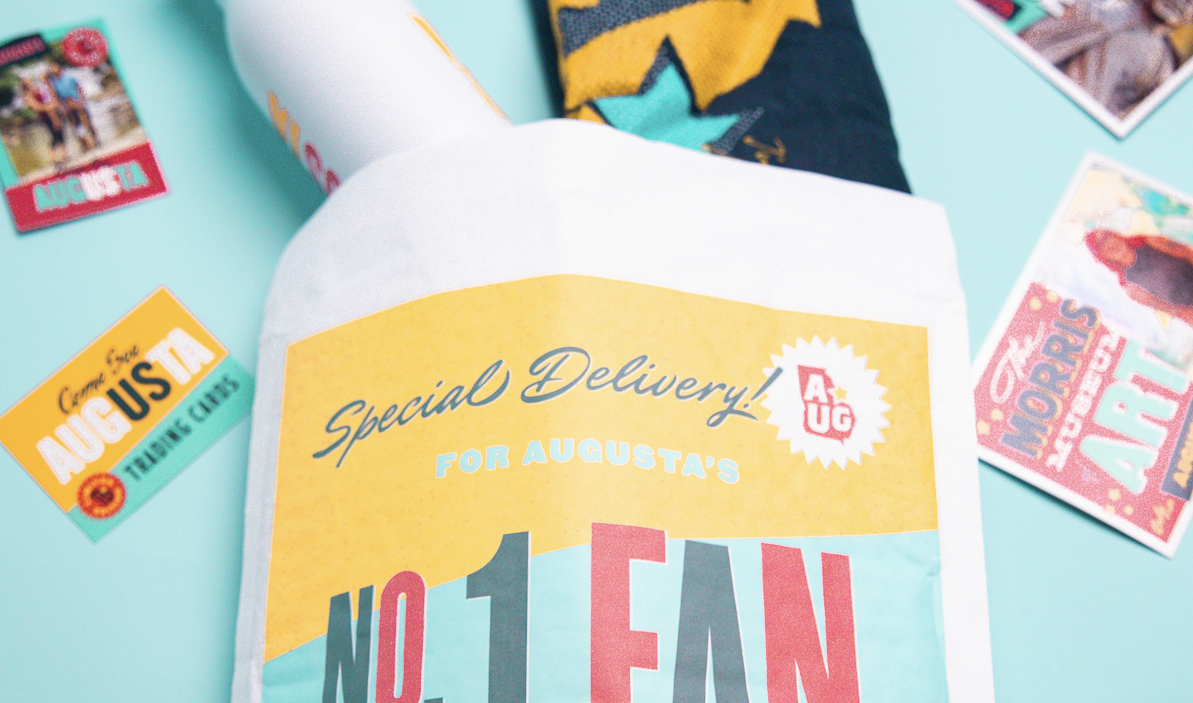
The strongest merch programs aren't necessarily the ones with the biggest budgets, the most products, or the flashiest packaging. They're the ones that understand their audience, give every detail a purpose, and create an experience people actually want to keep.
That's where strategy meets the fun stuff. And when the two work together, merch becomes more than a branded object. It becomes a useful part of someone's day, a thoughtful gesture or a small but meaningful reminder of your brand.
As you plan your next program, start with one question:
What do we want this merch to do?
Once you have the answer, we can help figure out what belongs in the box.