The Apparel Fit Guide
Our Deep Dive on Apparel Sizing, Materials, and Longevity
Branded apparel isn’t just merch anymore, it’s fashion. And when it comes to fashion, the fit, feeling, and future of your clothes matter. This guide breaks down the key aspects to consider when selecting pieces that your audience will actually want to wear (and keep wearing).
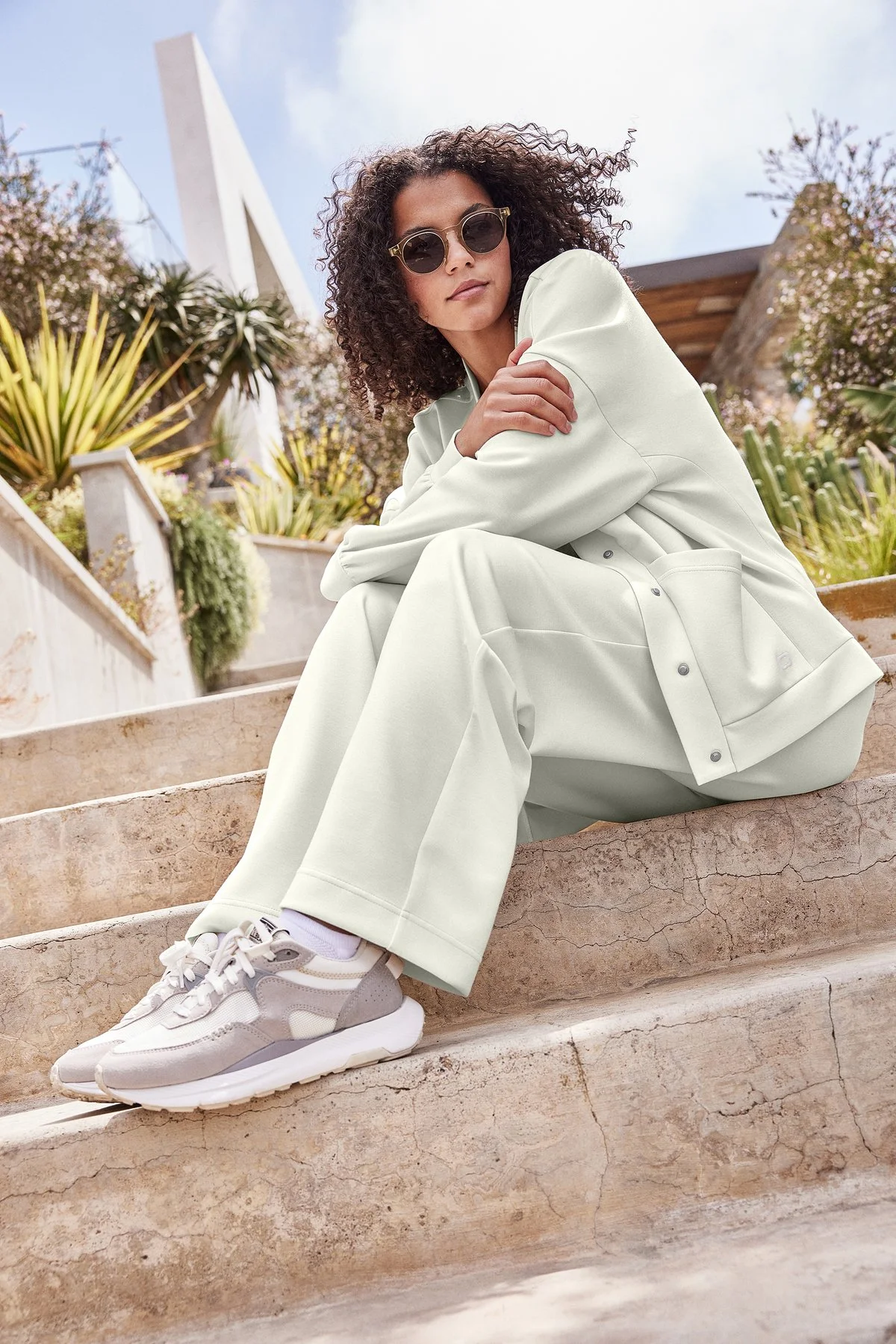
Throw a Fit: Sizing, Silhouettes, and the Fashion Crossover
A great fit is the difference between a t-shirt that ends up in a drawer and one that becomes a weekend staple. In 2026, apparel fit trends are directly reflecting retail fashion and branded merchandise is catching up fast.
Here’s what’s trending right now:
• Relaxed and oversized silhouettes: Inspired by streetwear and comfort-first fashion, modern merch fits are roomier without feeling sloppy. Think slightly dropped shoulders and longer hems for a lived-in vibe.
• Cropped and boxy shapes: Especially popular in women’s and gender-neutral apparel, these retail-inspired cuts add style while staying versatile.
• Modern tailoring: The “athleisure professional” trend has brought slimmer, more tailored fits to polos and quarter-zips, blending comfort with polish.
• Inclusive sizing matters: Today’s best apparel lines run from XS through 4XL+, with extended sizes offered as baseline, not an afterthought. Offering inclusive sizing shows your brand’s inclusivity and values.
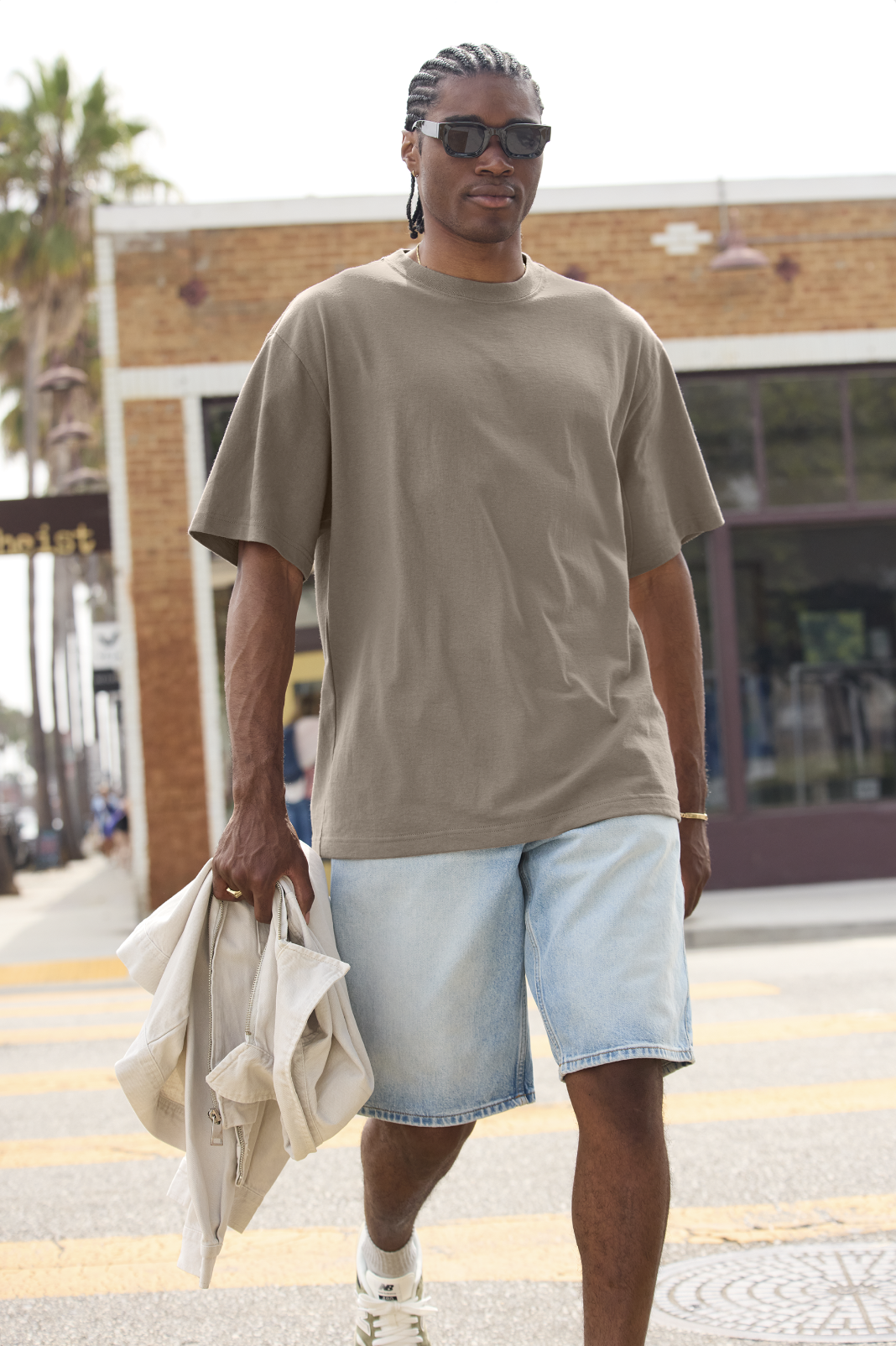
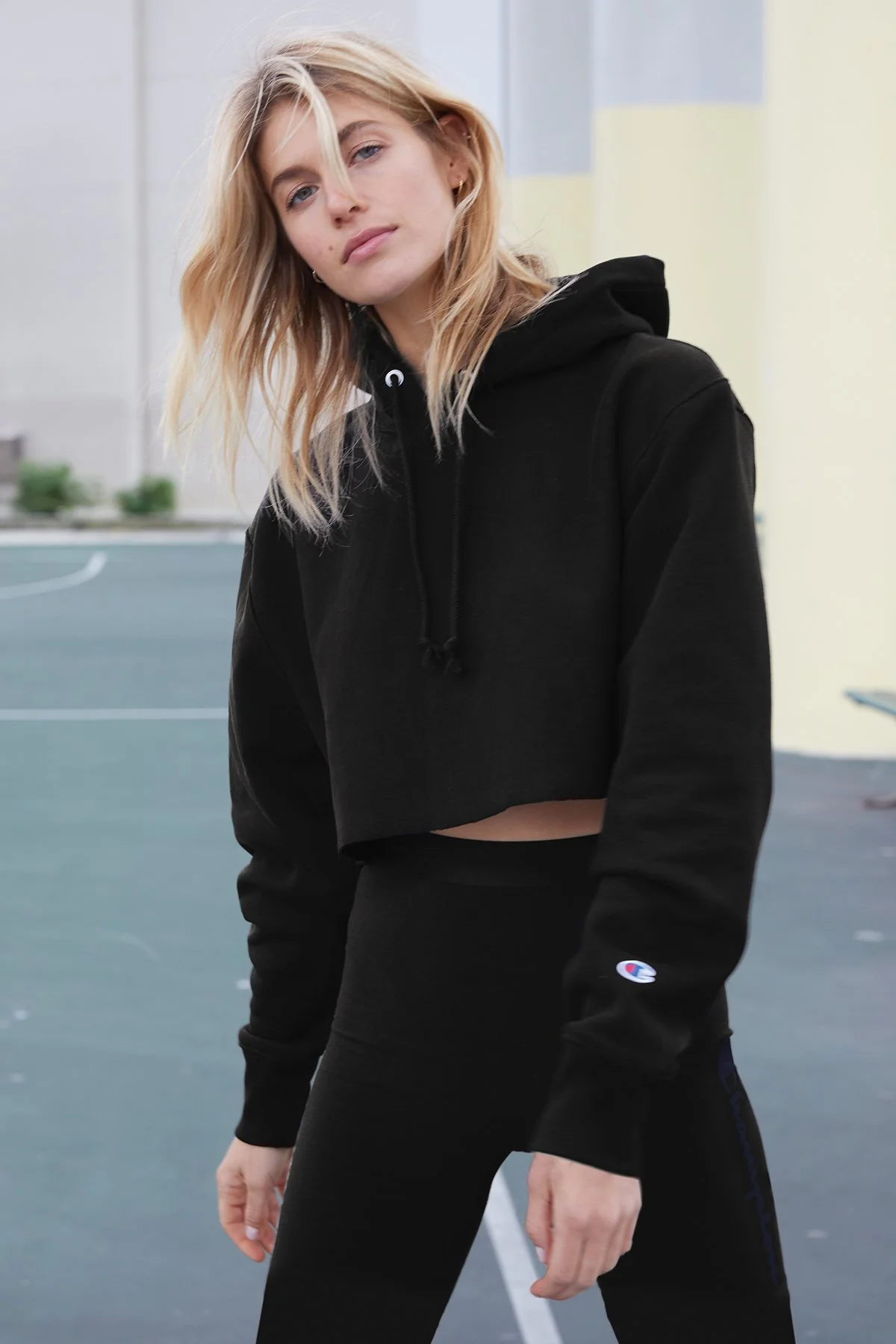
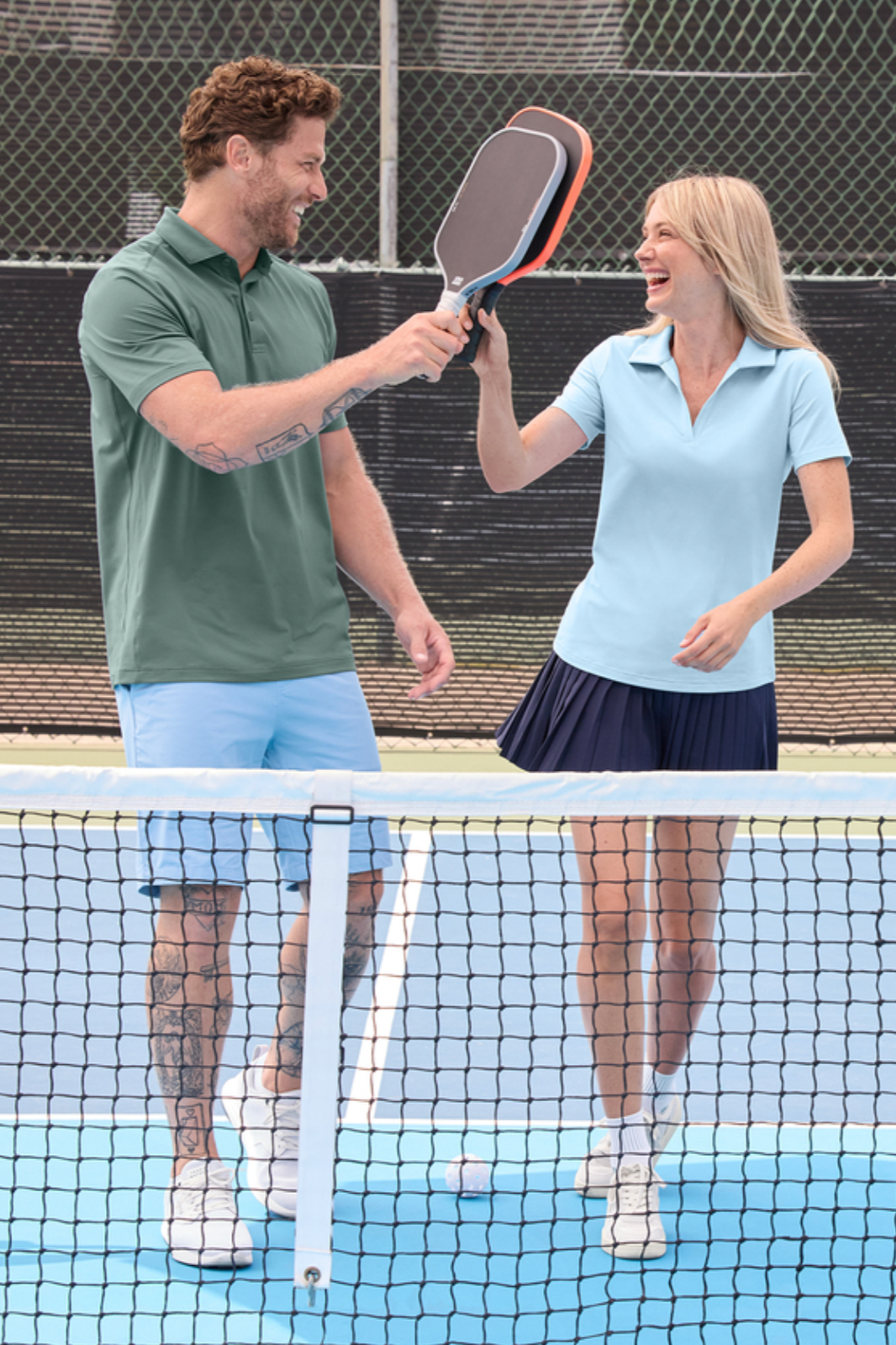
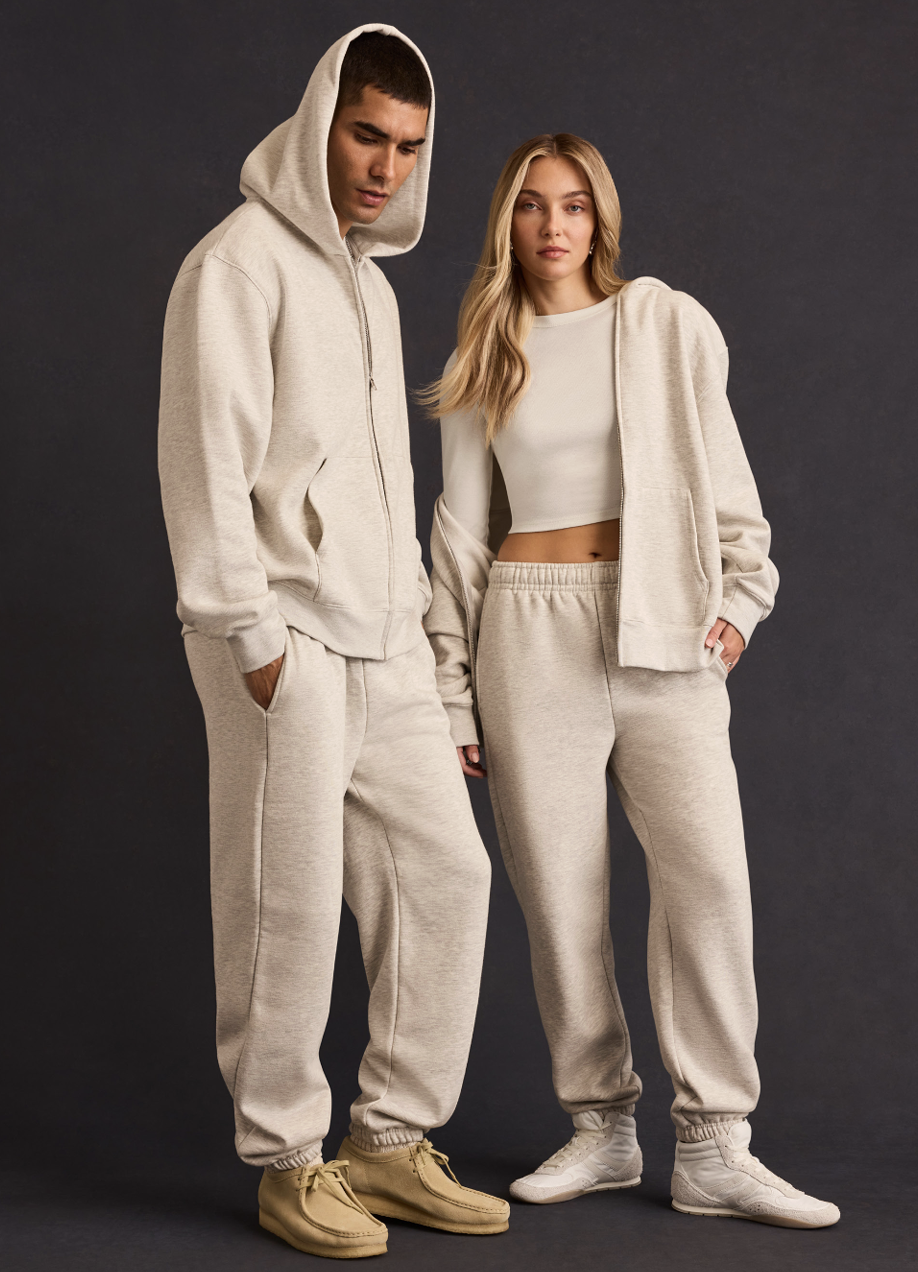
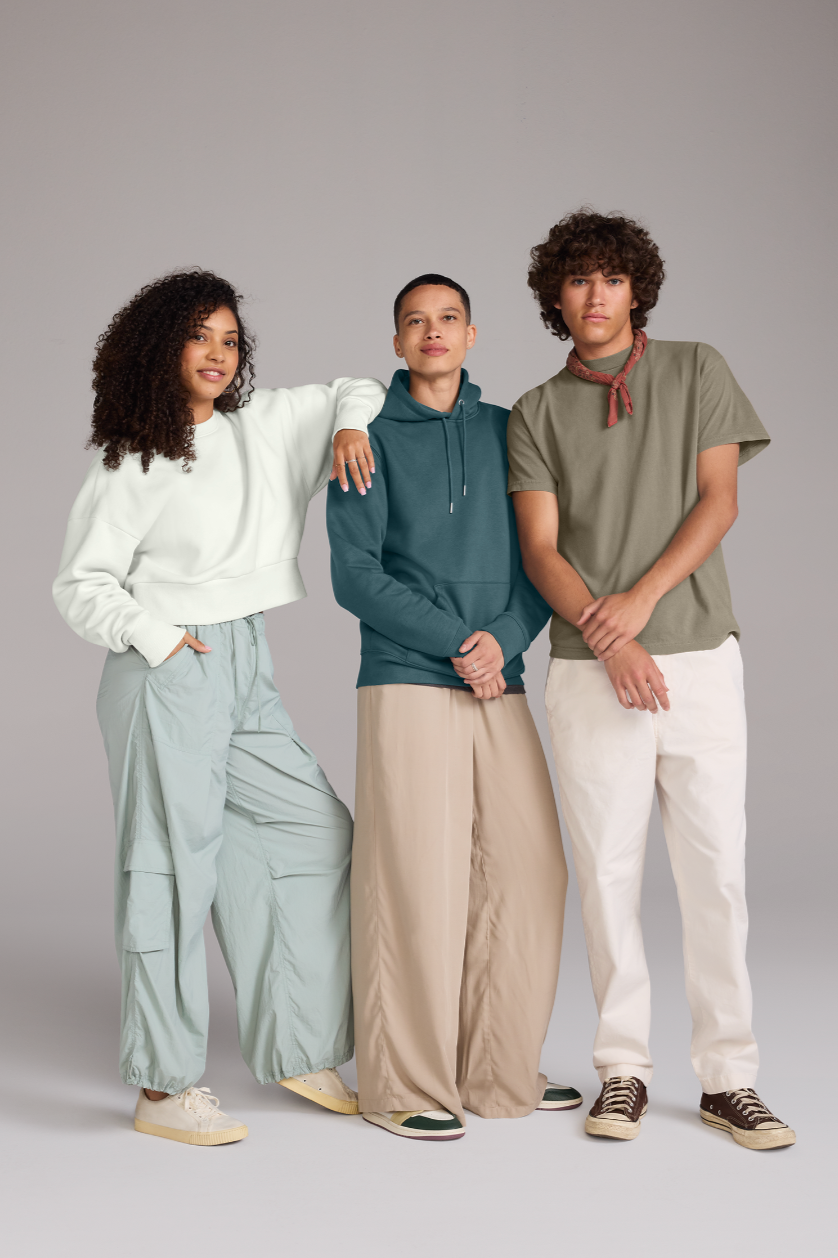
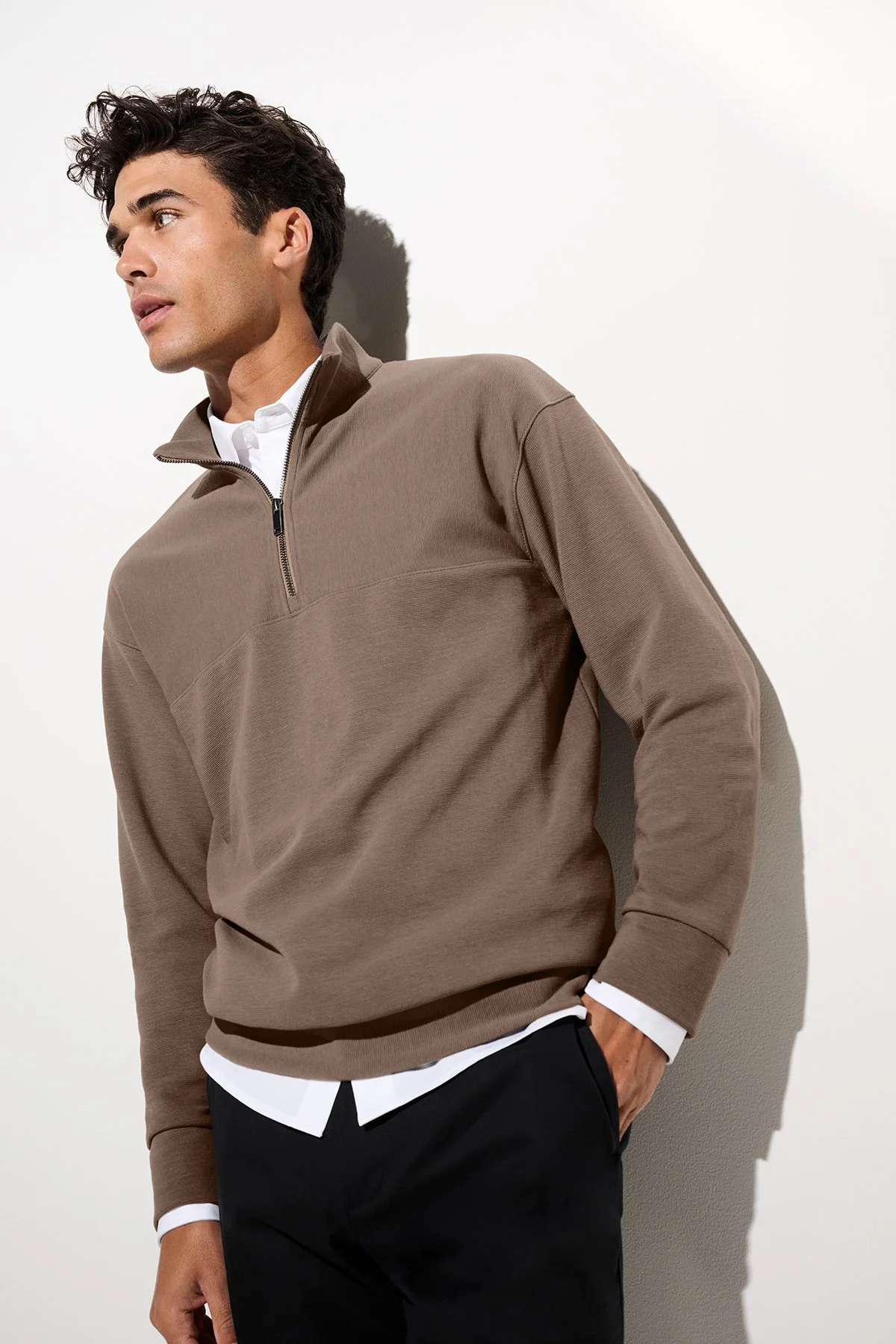
Hot Tip: Fit testing means fewer surprises. It’s best practice to order a sample run or at least one of a few sizes before committing. A quick internal try-on can prevent major regrets later.
When people love the way your merchandise fits, they wear it more often, turning them into walking, talking extensions of your brand.
All the Feels: Materials That Make the Difference
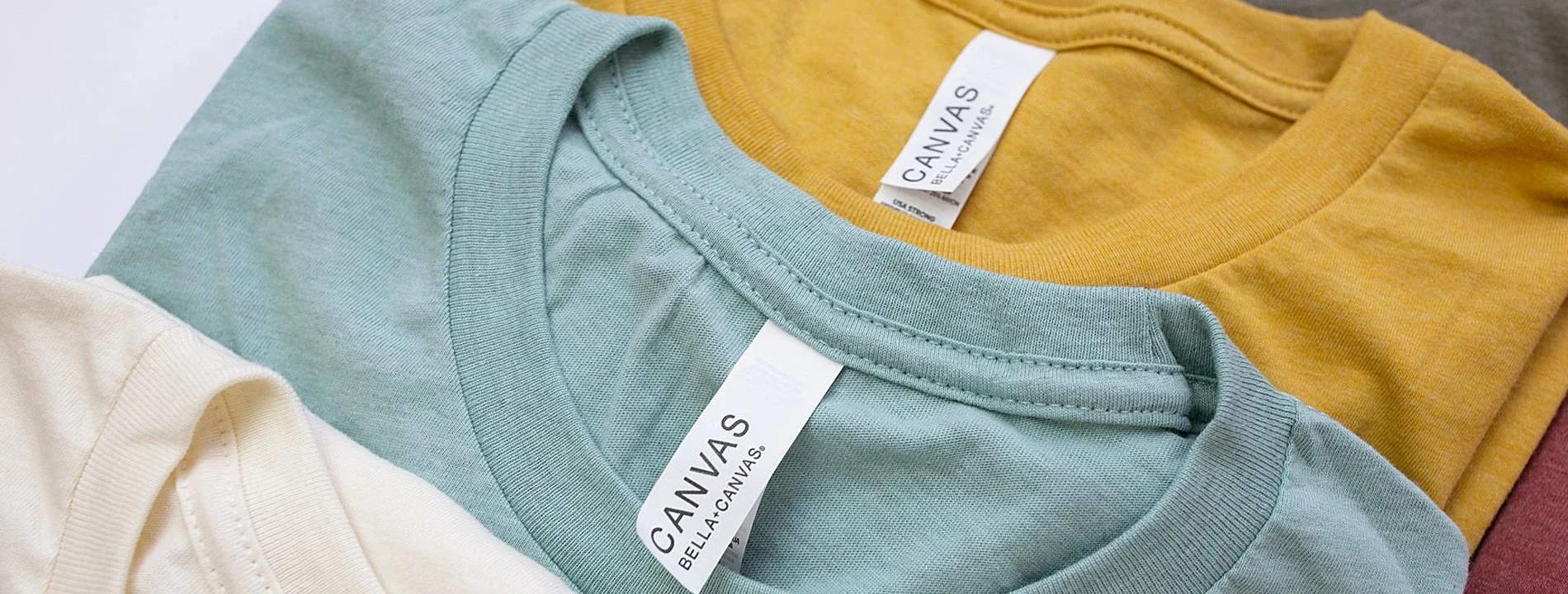
Great fabric doesn’t just feel awesome, it communicates quality. Whether it’s buttery-soft cotton or a breathable blend, materials influence how recipients perceive your brand.
Here’s a quick fabric cheat sheet:
• 100% Cotton: for the smoothest feel and less pilling after repeated wear, look for options that are combed - this removes impurities from the fibers - and ring-spun (where the fibers are twisted to create softer yarn)
• Cotton/Poly blends (like 60/40 or 52/48): Soft, durable, and less prone to shrinking due to the combination of natural and synthetic fibers.
• Tri-blends (cotton, polyester, rayon): Offer a vintage drape and silky hand-feel, which can be ideal for lifestyle merch.
• Performance knits: Moisture-wicking and wrinkle-resistant, these are perfect for activewear or corporate uniforms that look sharp all day.
• Premium fleece and French terry: Elevate hoodies and crewnecks with softness that feels a cut above standard merch.
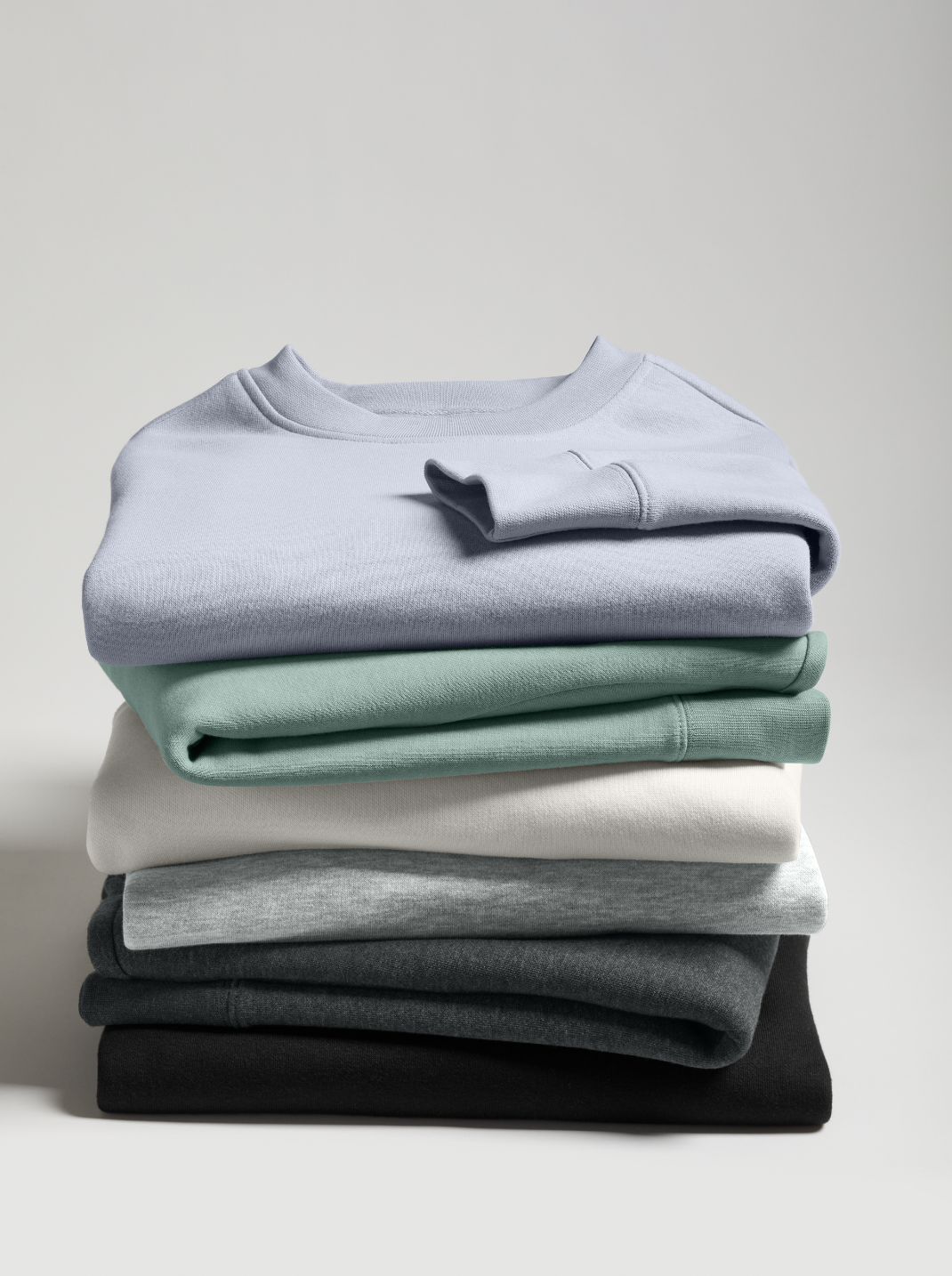
Don’t forget about fabric weight. It determines how a garment feels and performs.
• Lightweight Shirt (3.0-4.0 oz): Airy and breathable, great for warm climates, summer events, or layering pieces.
• Midweight Shirt (4.5-6 oz): sturdy but not heavy - the sweet spot for everyday tees and hoodies
• Heavyweight Shirt (6.0 oz and up): Thicker, more structured, and trending in 2026 for premium streetwear-inspired merch.
• Lightweight Fleece (under 8 oz): Soft, flexible, and great for layering or transitional weather. Perfect for spring and early fall campaigns.
• Midweight Fleece (8-9 oz): Balanced comfort that’s not too heavy, not too thin. Ideal for everyday wear or versatile uniform programs.
• Heavyweight Fleece (10 oz and up): Dense, durable, and increasingly popular thanks to the streetwear trend. Offers a premium, substantial feel that aligns with retail-style merch.
Matching material and weight to your brand’s aesthetic ensures your apparel feels intentional, not generic. A craft brewery might lean into triblends for a vintage look and midweight fleeces for coziness during the fall, while a tech brand might prefer sleek, technical fabrics or heavier fleece hoodies that match their elevated, modern edge.
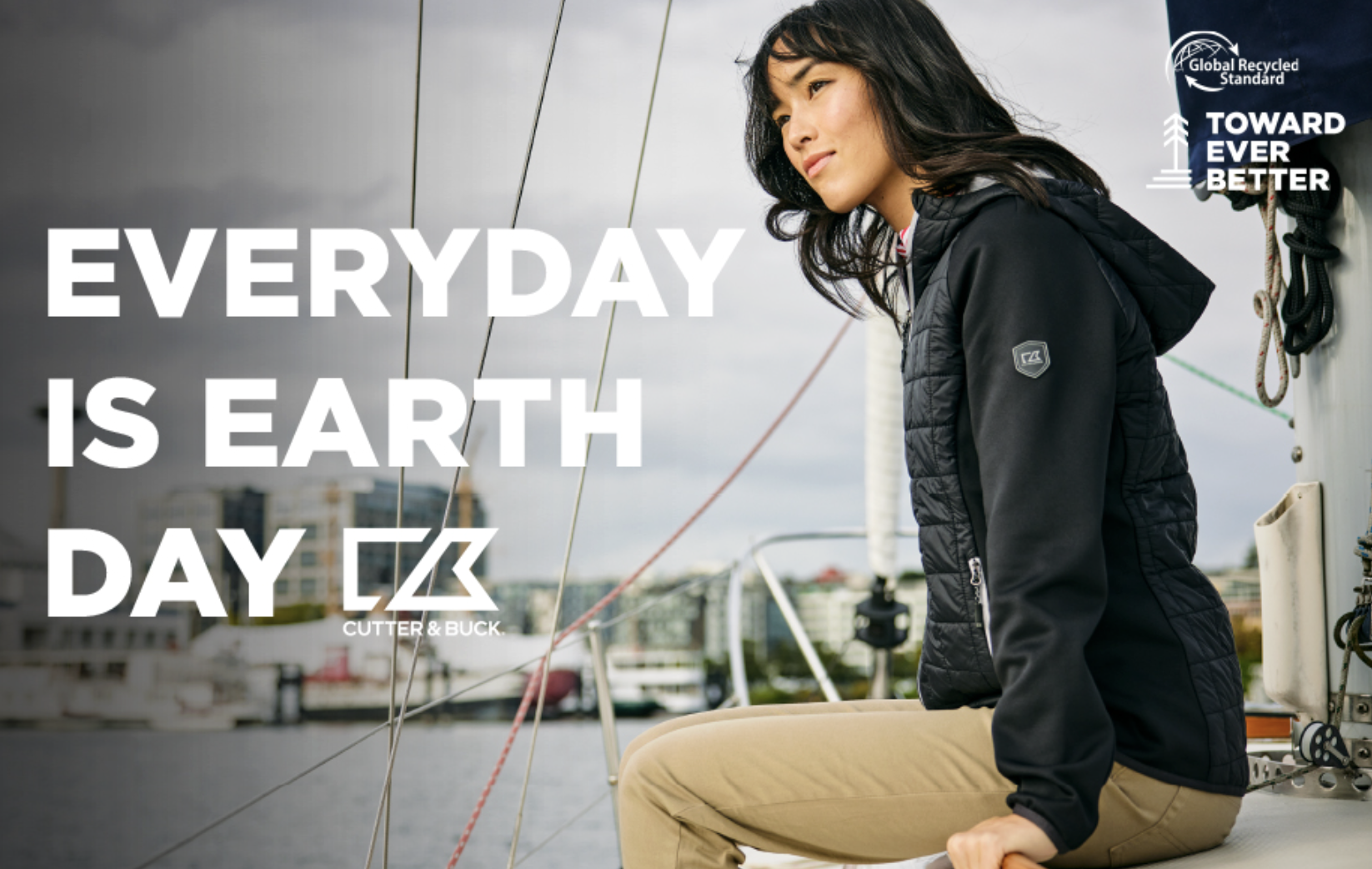
Future-Focused: Sustainability and Longevity
Durability and sustainability aren’t just buzzwords anymore. They’re table stakes for modern brands. How long your apparel lasts, and how responsibly it’s made, directly affects how your brand is perceived.
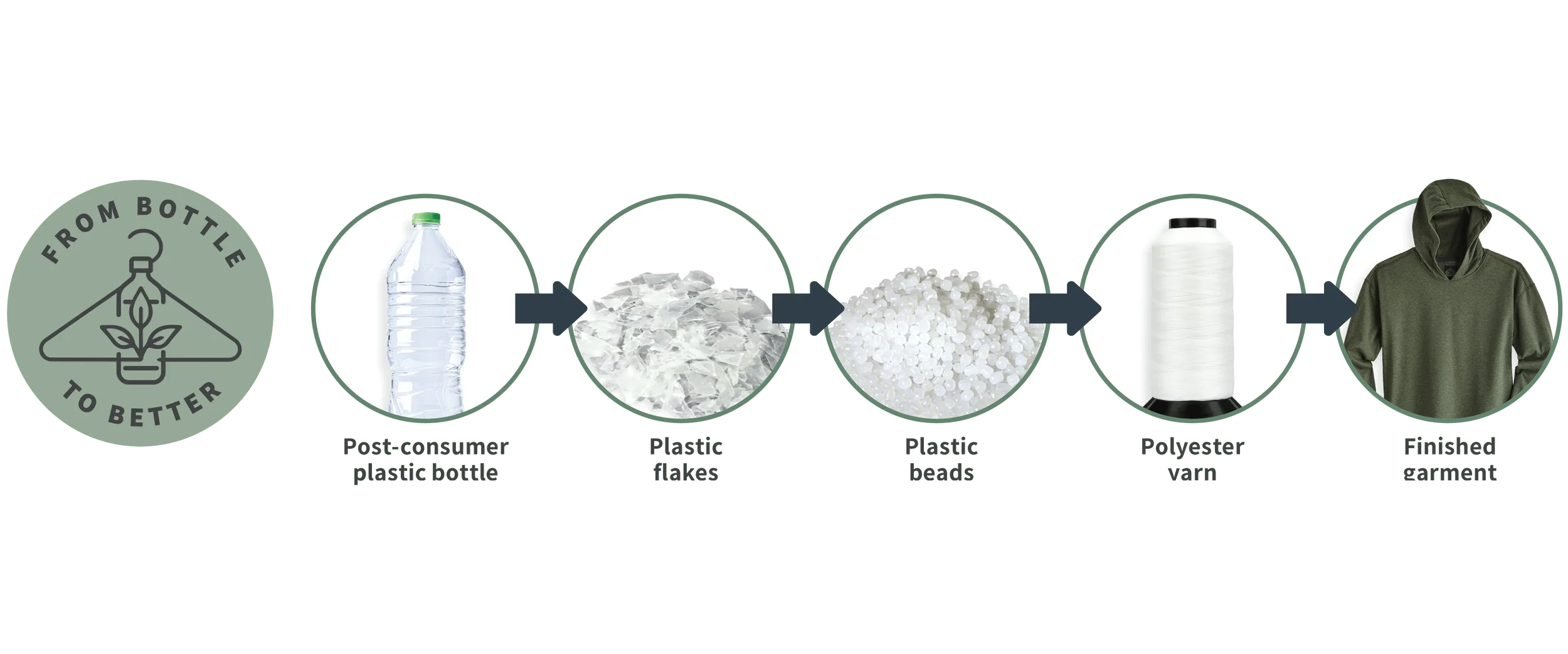
What to look for:
• Recycled or organic materials: Lines featuring rPET (recycled polyester), organic cotton, or hemp blends show both style and responsibility.
• Verified certifications: WRAP, Fair Trade, and OEKO-TEX® labels indicate ethically made garments.
• Designs that lasts: Match your print method to your material. Embroidery delivers longevity, while water-based inks feel soft without cracking.
• Care guidance: A small card with washing tips adds perceived value and helps extend the life of the garment.
A long-lasting shirt that stays soft and keeps its color becomes a brand impression that lasts for years, not just one event.
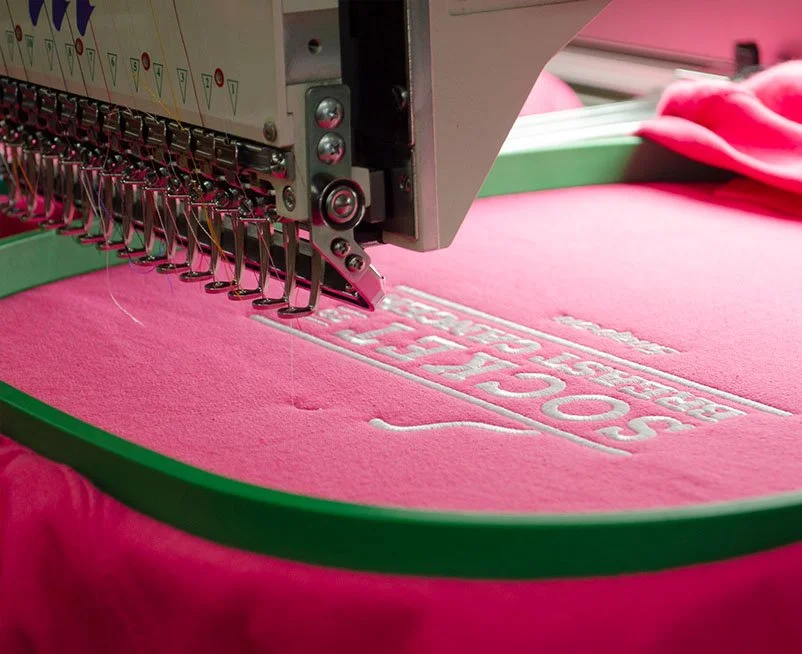
Designs That Lasts: Printing and Embellishment Methods
How your logo is applied can make or break the life of your branded apparel. The right decoration method not only impacts durability but also how premium your pieces look and feel.
Here’s a quick guide to the most common and enduring options:
• Embroidery: Thread-based and highly durable, embroidery delivers a polished, textured look ideal for polos, quarter-zips, and structured outerwear. It communicates quality and stands up to years of wear and washing. It’s even becoming popular on heavyweight tees.
• Screen printing: The industry classic. Ink is pressed through a mesh screen stencil onto the garment, creating bold, opaque colors that hold up well on most fabrics. Great for higher-volume orders and timeless logo tees.
• Direct-to-Film (DTF): One of the newer methods, DTF uses heat transfers that bond ink to fabric with impressive detail and flexibility. It works well on a wide range of materials and keeps graphics crisp, even after repeated washing.
• Direct-to-Garment (DTG): Similar to an inkjet printer for fabric, DTG offers full-color designs with super soft feel. Best suited for smaller runs or complex artwork on lighter fabrics.
• Heat transfer vinyl: Ideal for personalization or low-quantity runs. High-gloss or specialty finishes (like metallic or puff vinyl) can create statement looks when done tastefully.
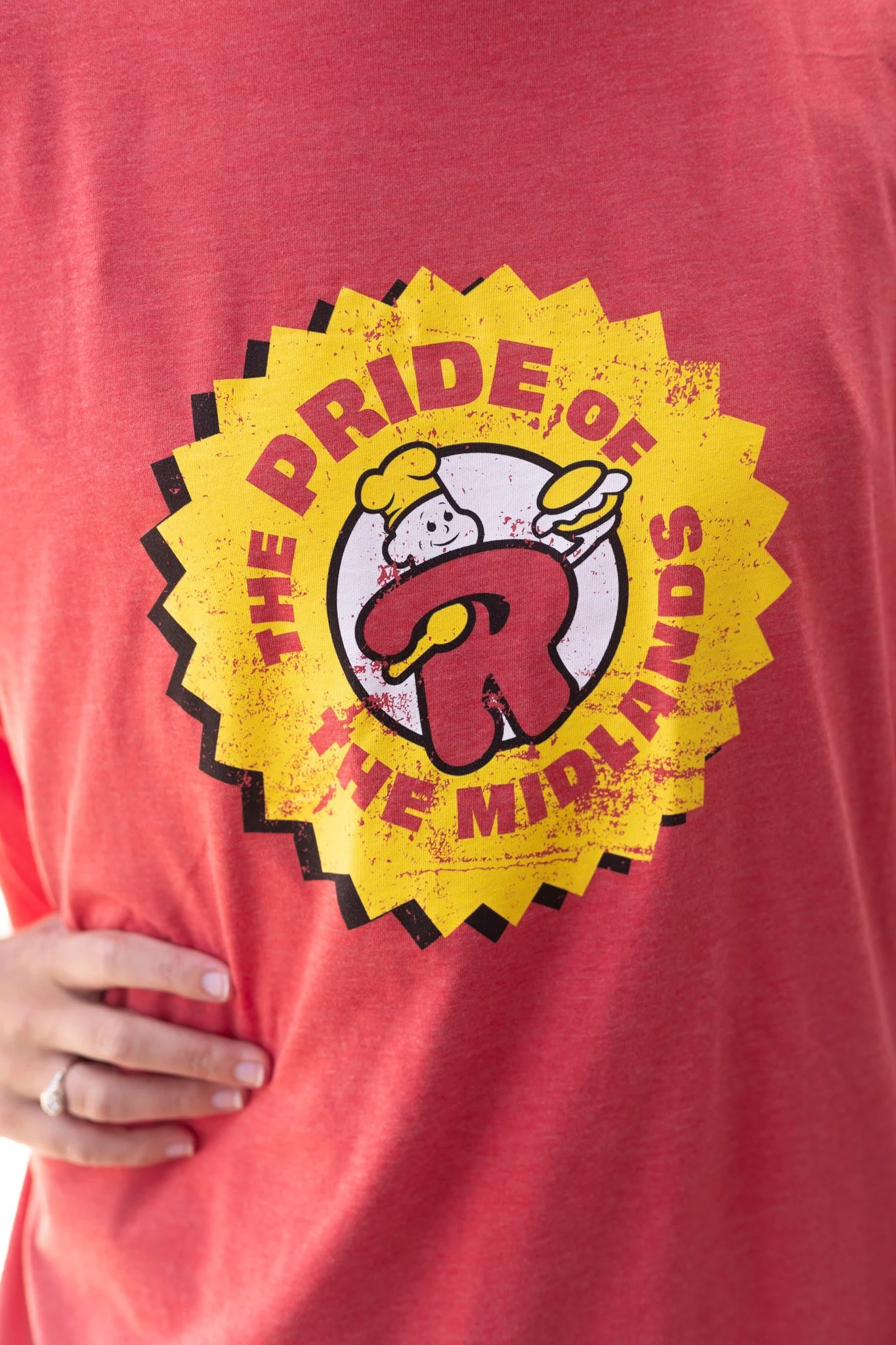
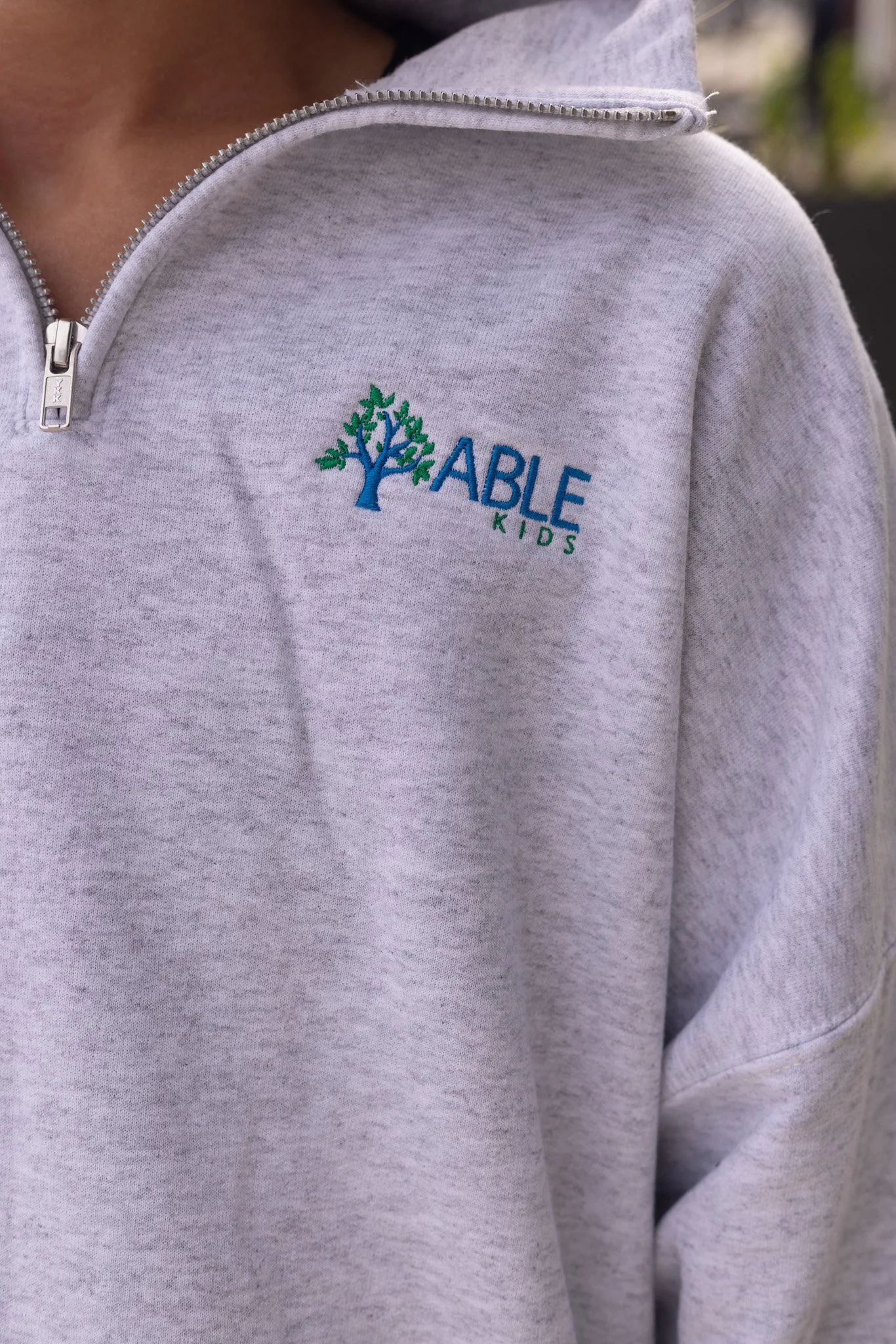
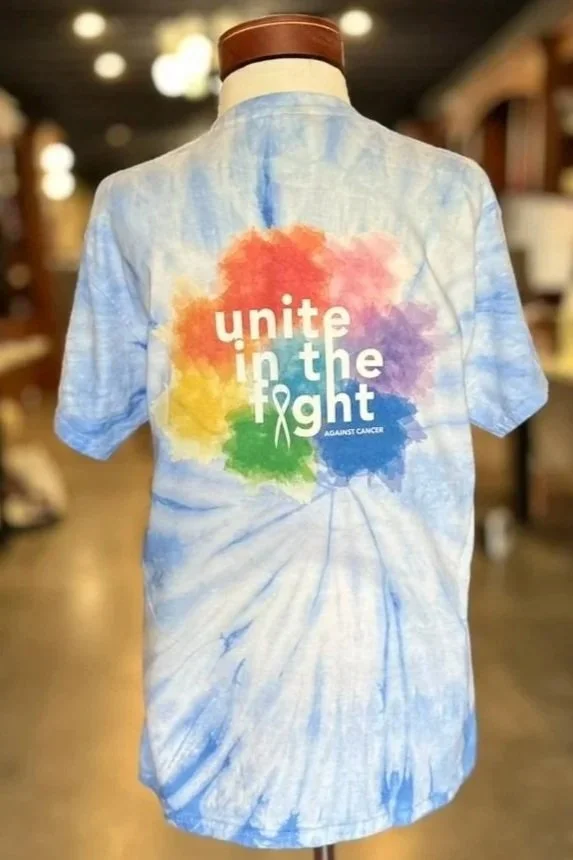
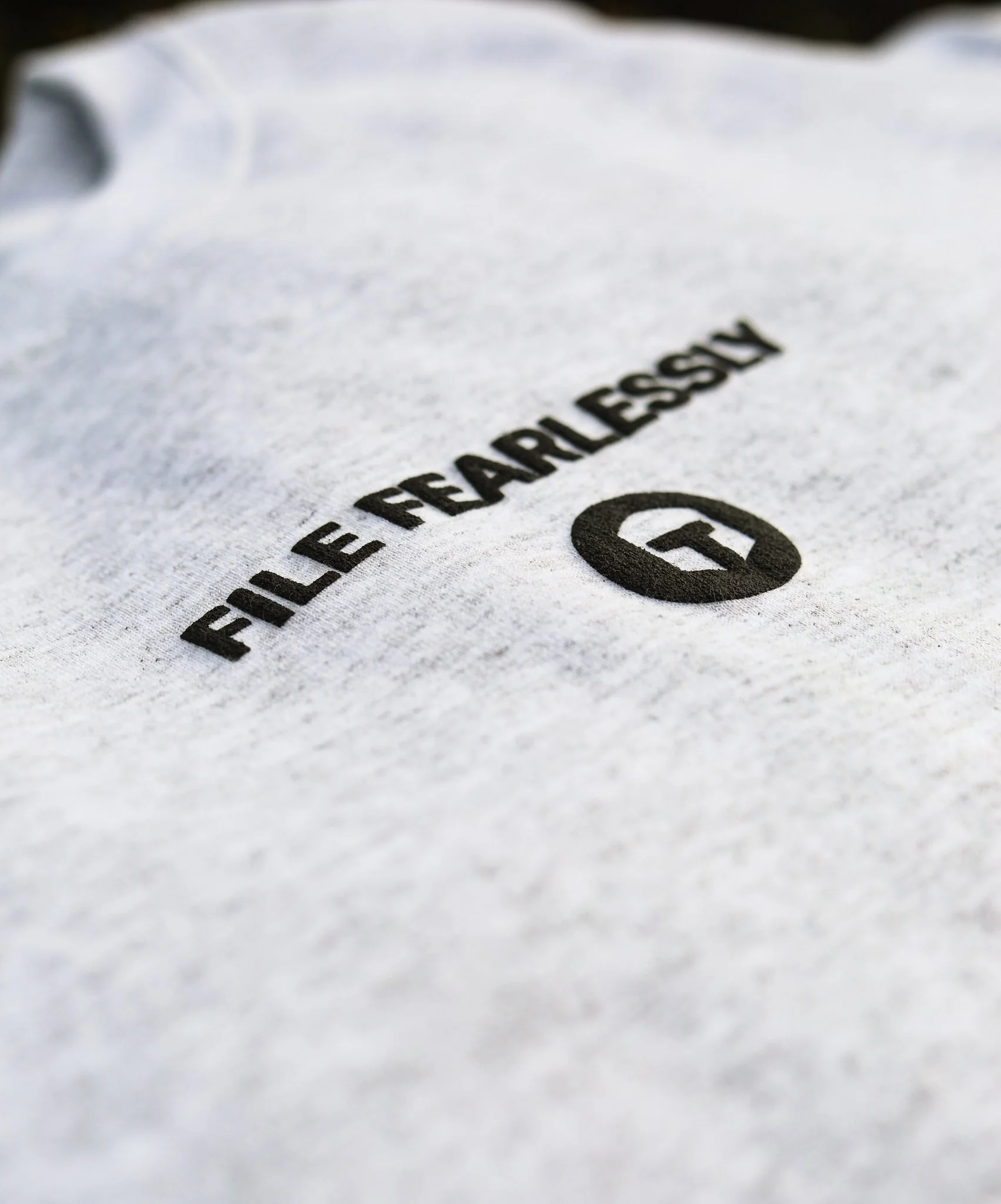
The goal is to match the decoration method to material and end use: embroidery for texture and polish, screen printing for bold classics, and DTF or DTG for modern, detailed art. When done right, your decoration becomes part of the garment’s identity, not just an add-on.
When your merch checks all three boxes - it fits right, feels amazing, and lasts - it transforms from giveaway gear into go-to gear. Each wear reinforces your brand. Each compliment keeps your logo top of mind. So, the next time you plan apparel, think beyond the logo. Think fit, feeling, and future. That’s how you create merch people actually live in.