What Attendees Actually Keep From Events
Truly keepable event swag is practical, high-quality, and aligned with your brand story. And the data now backs that up clearly. With a smart merch budget and purchasing strategy, you can keep items in people’s hands longer to generate positive brand associations and generate impressions for pennies on the dollar. But it starts with the right strategies.
Why Keepability Matters
In our world, the most important metric isn't how many items you hand out; it’s how many become a long-term, useful fixture in your recipient's daily routine. A giveaway can’t be effective for your brand if it ends up in the trash. Data shows that 83% of consumers keep and actively use promo items they receive.
Take that a step further: High-visibility items, such as premium drinkware and tech accessories, can deliver a remarkably efficient cost per impression when compared to traditional media. In other words, keepable merch is one of the most efficient ways to maximize event ROI long after the badge comes off.
What Attendees Actually Keep
Across multiple studies, a consistent hierarchy emerges of what stays versus what gets left in the hotel room or thrown away.

Keep Items
Notebooks and planners: Frequently ranked the single most valuable swag item, cited by around a quarter of respondents as their top pick
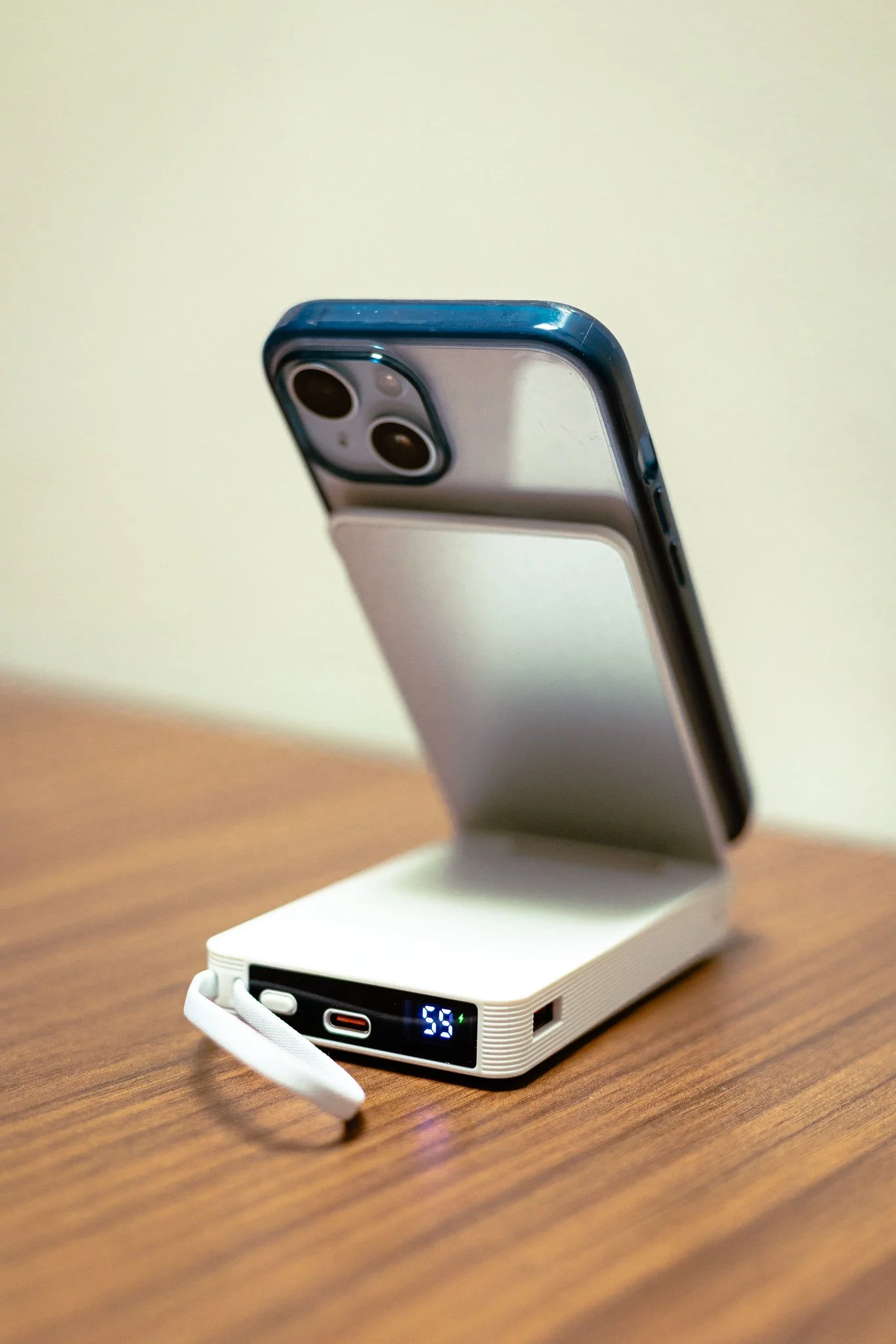
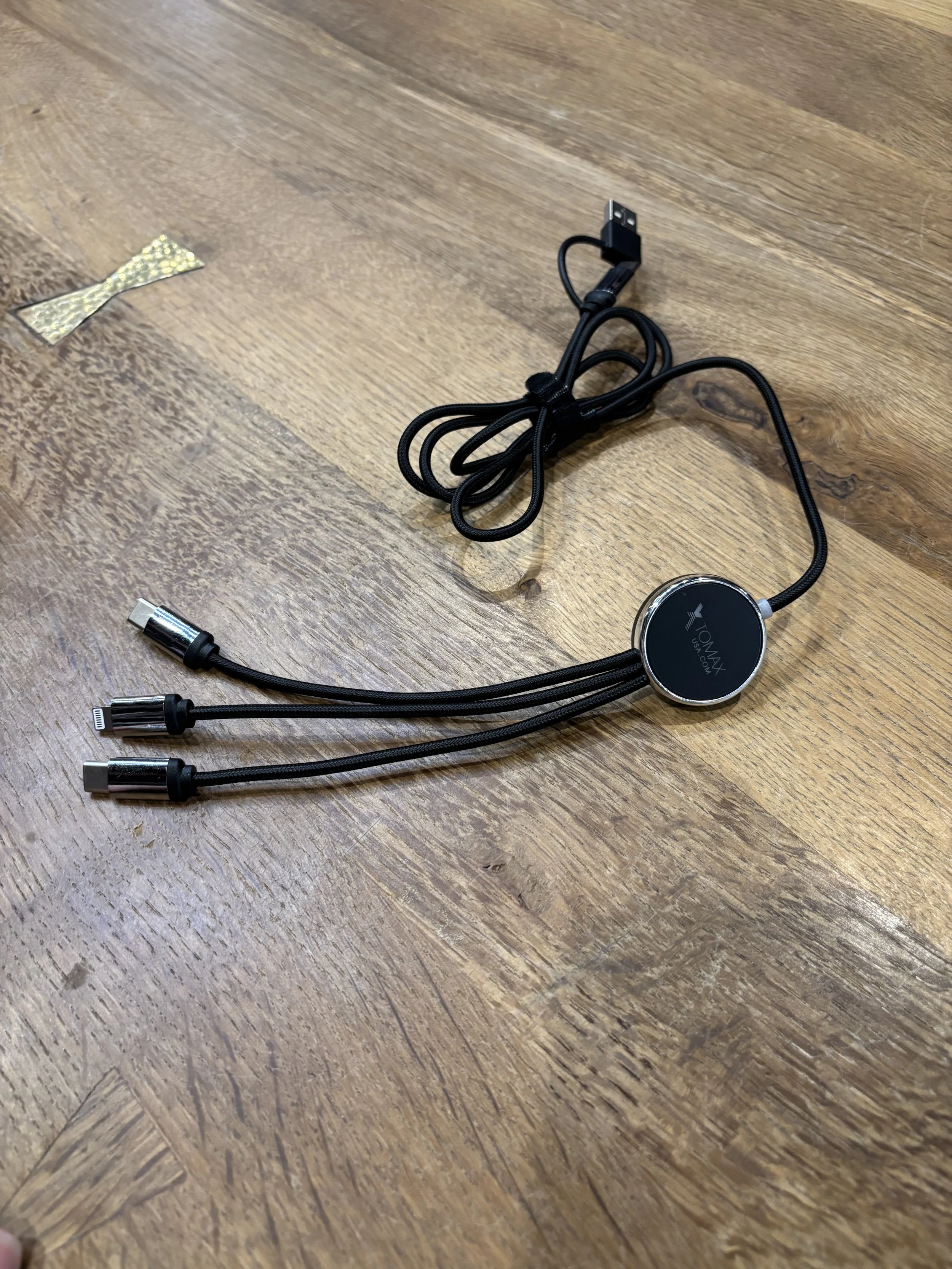
Everyday tech: Chargers, power banks, earbuds, and hubs score among the highest retention rates, often in the 80%+ range for several months of use
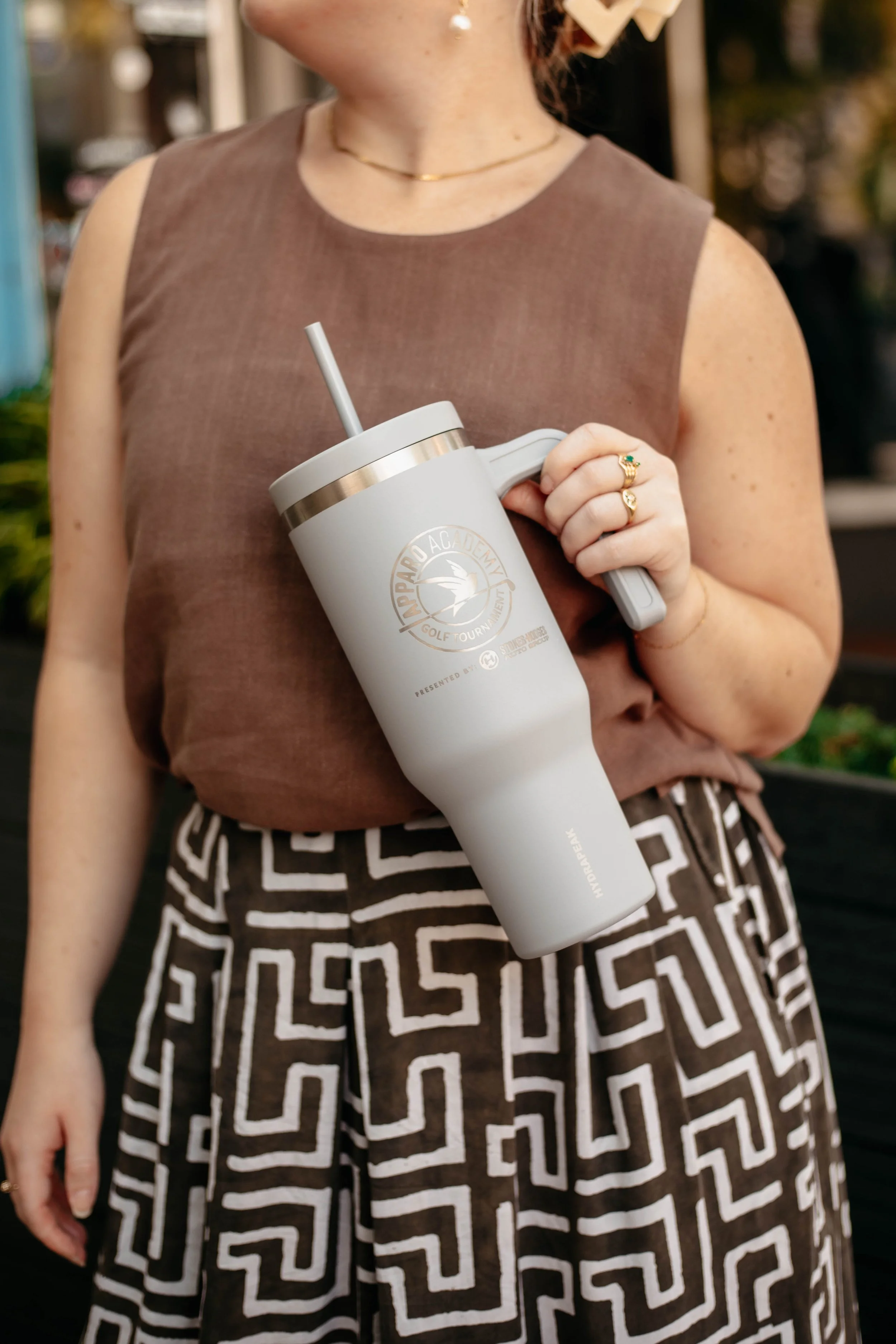
Drinkware: Tumblers and reusable bottles deliver over 3,000 impressions in their lifetime, with roughly two‑thirds of recipients keeping them a year or more
Quality apparel: Items like polos and premium tees can generate more than 2,000 impressions, with about 60% of people keeping and wearing them at least a year
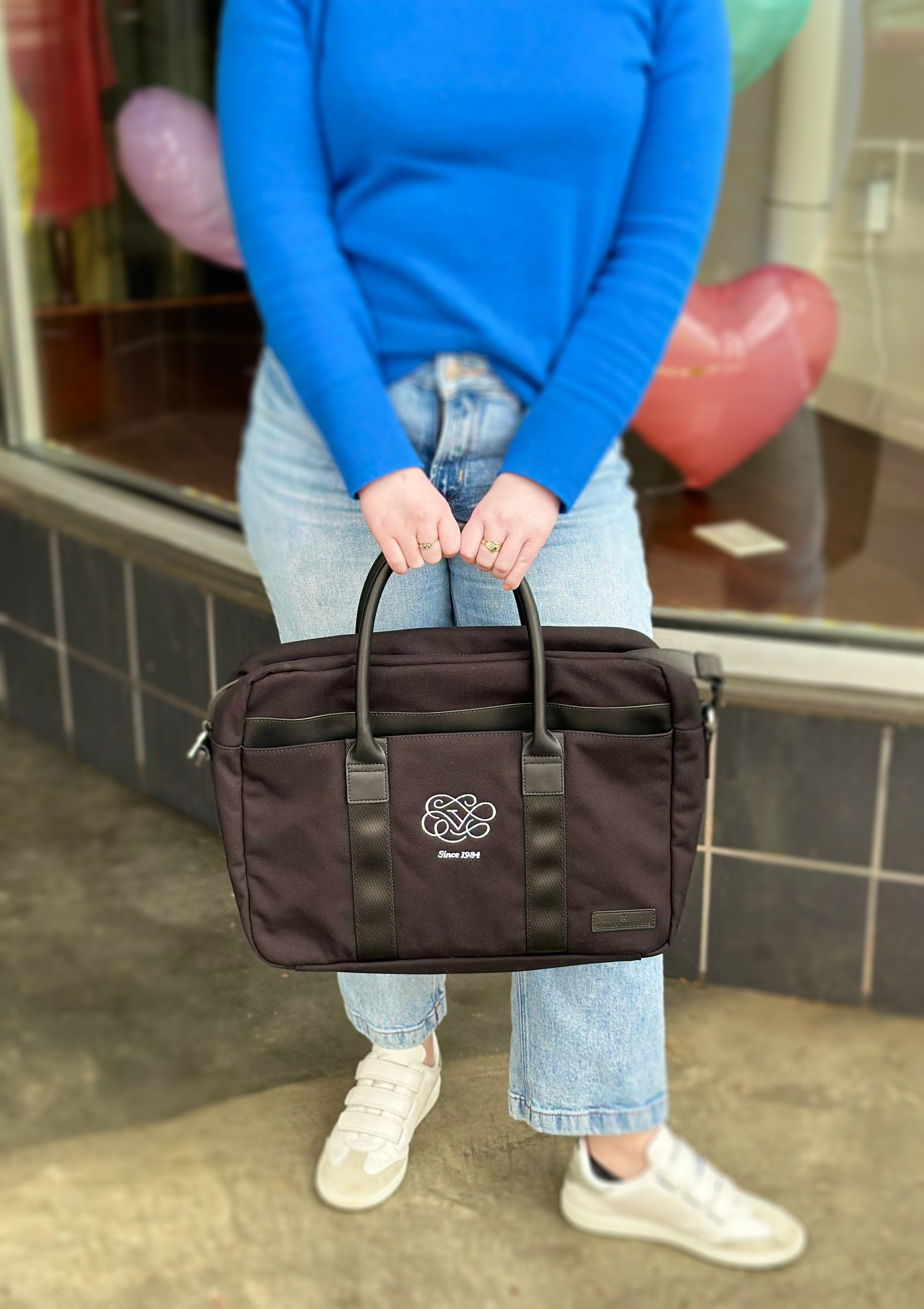
Bags and totes: Reusable bags average nearly 2,000 impressions and are often kept and used for two years
Toss Items
Cheap novelties: Low‑quality trinkets and single‑use items are disproportionately tossed within days, contributing to visible waste piles at venues.
Bulky pieces: Anything hard to pack in a suitcase, like oversized boxes or fragile items, tends to be left behind, even if the idea is clever.
Duplicative items: Yet another flimsy pen or generic stress ball rarely makes it into daily use when attendees already have better options.
The WIN-PLACE-SHOW Performance Model
Our WIN-PLACE-SHOW model is built on the belief that a strategic merch budget is a high-performing engine. We don’t just look at what’s popular; we look at retention windows and lifetime impressions to ensure your investment works as hard as you do.
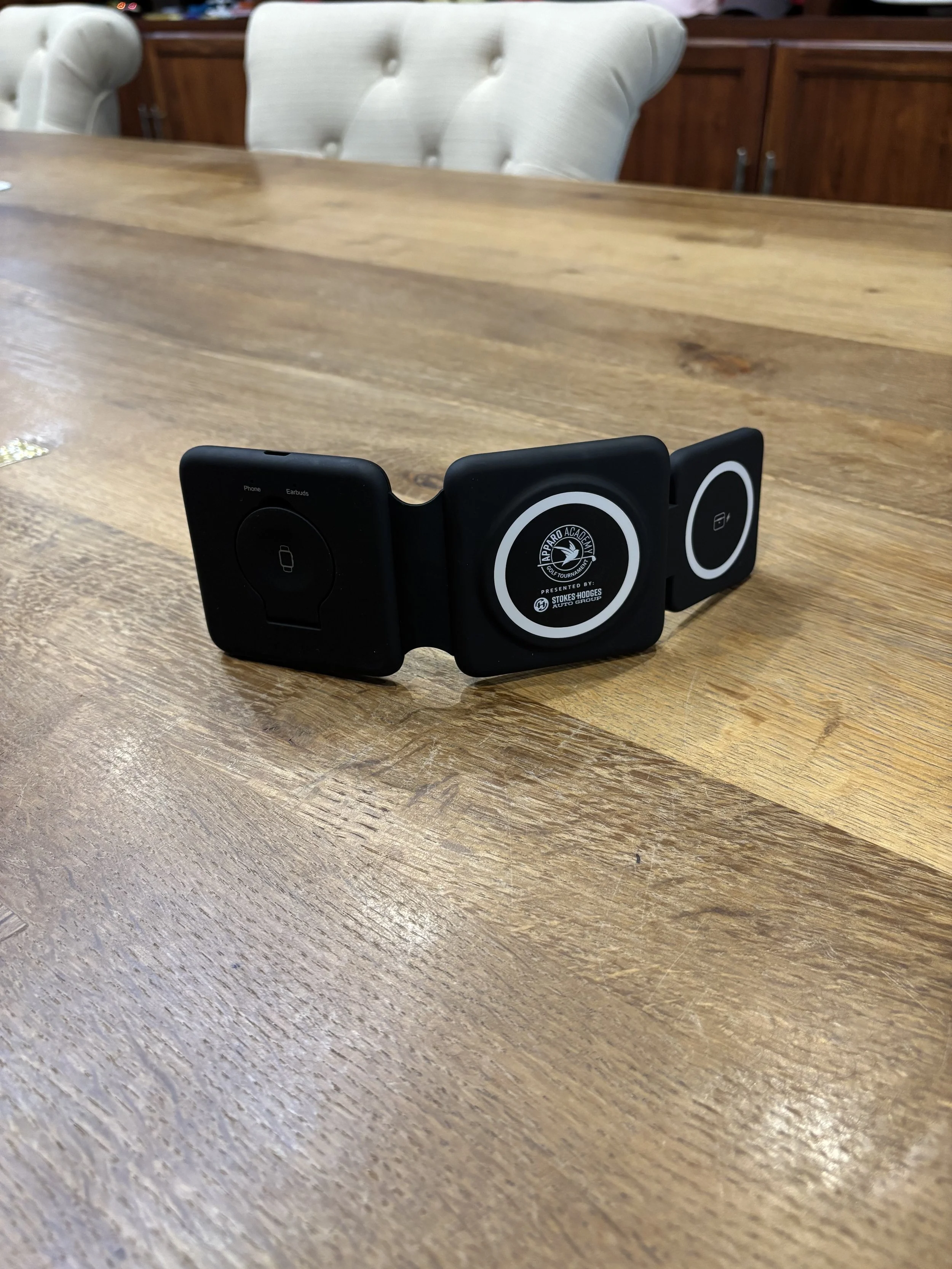
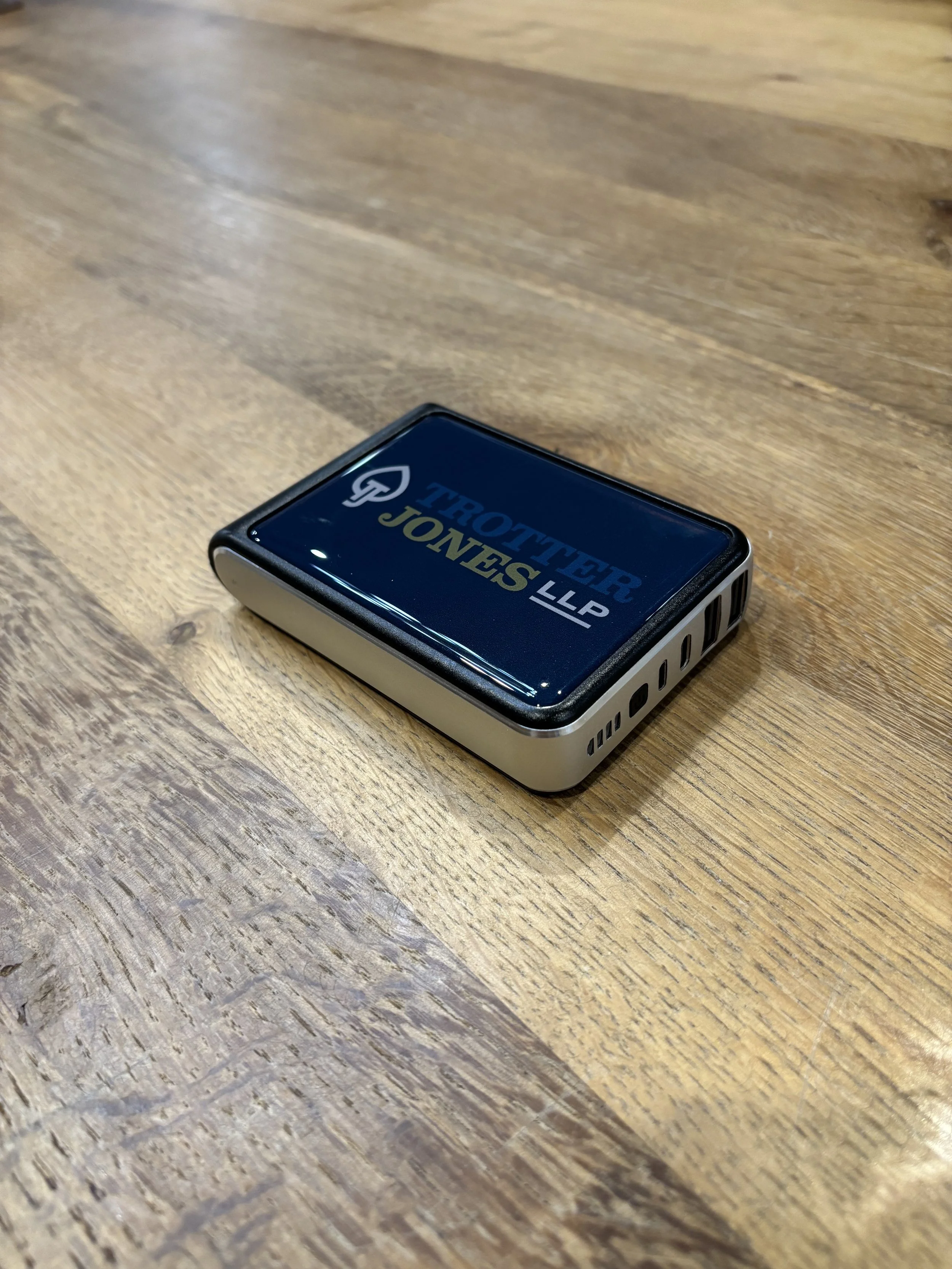
By categorizing products based on how they actually perform in the wild, we help our partners choose the right tool for the job—whether that’s a broad-reach "Show" item or a high-impact "Win" gift for your top-tier prospects.
The Performance Data
| Product Category | Typical Retention | Lifetime Impressions | The Strategy |
|---|---|---|---|
| Drinkware | 1+ Year | ~3,162 | High daily utility; creates a strong positive association. |
| Power Banks | 2+ Years | ~870 | A literal lifesaver for travelers; stays in the tech kit for years. |
| Bags & Totes | 2+ Years | ~1,940 | The ultimate "workhorse" that travels from the office to the gym, grocery store, and even airport. |
| Apparel | 1+ Year | ~2,106 | Retail-quality garments turn your audience into stylish advocates. |
| Desk Accessories | 1+ Year | ~2,314 | Prime real estate; stays visible where B2B decisions are made. |
One analysis using survey data found that when a giveaway checks three boxes—daily utility, quality feel and sustainable design—roughly 82% of participants keep at least one item for several months, generating thousands of impressions at very low costs.
How Preferences Are Shifting
Attendee expectations have shifted from “fun, free stuff” to useful tools that reflect their values and the event’s overall experience. Marketers are prioritizing fewer, higher-quality pieces that integrate into the attendee journey like premium drinkware, durable tech and dual-purpose items that feel intentional rather than obligatory. Sustainability has also moved from novelty to necessity; eco-conscious materials and long-lasting designs are now a direct signal of a brand’s responsibility and professionalism.
At the same time, preferences are no longer one-size-fits-all: nearly half of attendees still favor classic physical merch and drinkware, while Gen Z stands out for its openness to digital rewards like gift cards and its strong interest in premium prizes tied to engagement, like entering a drawing for high-value tech. Many of the conference-going generations can agree, though, that elevated swag that feels curated, sustainable and worth receiving.
Turning Data Into an Event Merch Plan
To design a merch mix your audience will actually keep, we start by aligning your choices to your event and marketing goals, not just budget line items.
First, we define the role of each item. We’ve got a whole article on this, but the basic premise is to strategically create a custom merch budget that deploys lower-cost items, designed intentionally, to draw in the crowds without diluting your brand. We then layer in relationship-building items at a higher price point for key prospects and VIPs to create those long-term impression points.
Investing strategically where impressions compound is the strategy savvy marketing teams use to stomp on the impression-generating gas pedal. Allocate more budget to these key prospects so that those keepable items work as hard as possible.
Hot tip: use actual data from post-event surveys and internal tracking to refine your custom merch strategy year over year.
The Keepability Checklist
A great place to start your internal tracking is by applying a simple “keepability” checklist:
Utility: Would I use this weekly for at least a month?
Portability: Is it easy to pack and travel with?
Brand Promise: Does the decoration method and material quality reflect your brand?
Values: Can we credibly tell a sustainability or value-based story around it?
Items that earn multiple “yes” answers are most likely to become part of the attendee’s routine and deliver repeated touchpoints.
Once you’ve done that homework and ordered the right set of custom merch, it’s time to wrap it in a cohesive story. Tying each item to a theme or message makes gifts feel intentional instead of random.
When you use data to guide your selection, your merch budget stops being a line item expense and starts building a high-touch fleet of brand tools that stay with your recipients long after the show floor closes.
Ready to saddle up and elevate your next project?